



The Science Behind the Spectacle
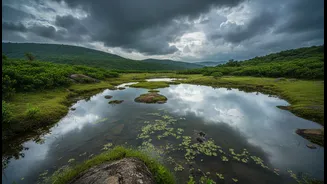
The secret to these mesmerising seasonal pools lies in the unique geology of the Western Ghats. Many of the high-altitude peaks and mesas are composed of laterite, a porous rock rich in iron and aluminium oxides. Over millennia, weathering has created
a hard, almost impermeable layer of rock known as a duricrust or ferricrete just beneath a thin layer of soil. When the heavy monsoon rains arrive, this geological setup works like a natural basin. Rainwater seeps through the shallow topsoil but is stopped by the hardpan layer beneath, preventing it from draining away quickly. The water collects in natural depressions and hollows on the plateau's surface, forming thousands of temporary, shallow pools that can last for the entire rainy season. These pools are not just standing water; they are vibrant, if short-lived, ecosystems.
A Carpet of Life and Colour
These ephemeral pools are the lifeblood of a specialised and stunningly beautiful ecosystem. The landscape around them explodes into a carpet of wildflowers, creating vistas that have earned places like the Kaas Plateau the nickname 'Maharashtra's Valley of Flowers'. The thin, nutrient-poor soil means many plants have evolved unique survival strategies. Trekkers can find insectivorous plants like Drosera indica and various species of Utricularia, also known as bladderworts, which get their nutrients from tiny insects trapped in the water. The pools themselves are often ringed with the white, button-like flowers of pipeworts (Eriocaulon species), while the surrounding meadows burst with the pinks of balsams and the yellows of Smithia flowers, creating a breathtaking floral display from August to October.
Where to Witness the Magic
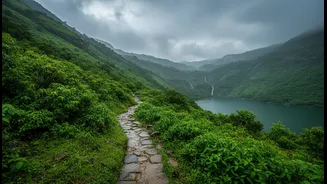
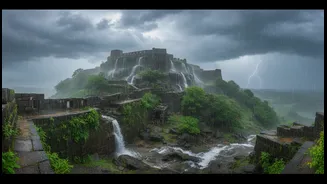
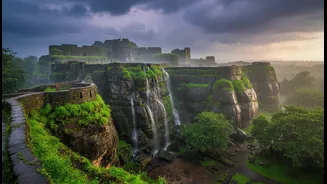
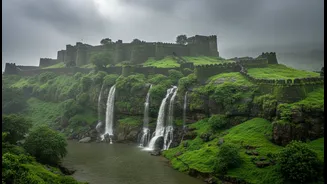
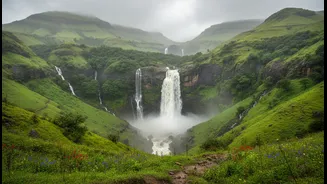
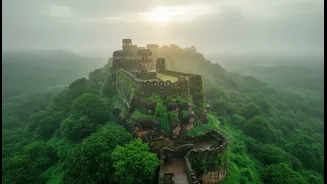
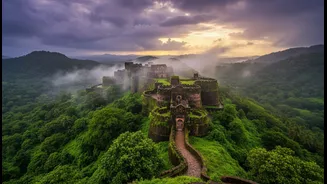
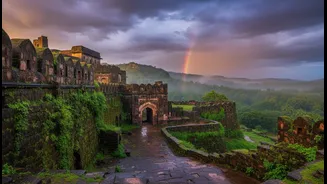
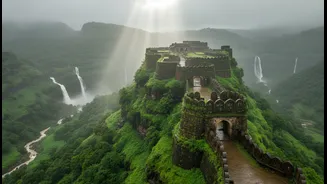
Several locations across the Western Ghats, particularly in Maharashtra, offer spectacular treks to witness these phenomena. The Kaas Plateau, a UNESCO World Natural Heritage Site near Satara, is the most famous, with regulated access to protect its fragile ecosystem. Here, designated trails guide visitors through fields of flowers surrounding countless water pools. For a more rugged adventure, the trek to Ratangad fort near Bhandardara offers stunning views of the surrounding peaks, with its summit plateau dotted with water bodies and vibrant flora during the monsoon. Similarly, treks to Harishchandragad, especially the vast Konkan Kada, reveal large plateaus that hold water and reflect the dramatic monsoon sky. These treks are not just about the destination but the journey through misty valleys and lush green slopes.
Planning Your Monsoon Trek
Timing is everything. The best period to visit is from late August to early October, when the monsoon rains have filled the pools and the flowers are in full bloom. Preparation is key for a safe and enjoyable monsoon trek. Invest in a good pair of waterproof trekking shoes with excellent grip, as the laterite and basaltic rocks become extremely slippery when wet. Quick-drying clothes made of synthetic materials are essential; avoid cotton as it absorbs water and takes a long time to dry. A reliable raincoat or poncho and a waterproof cover for your backpack are non-negotiable. Also, carry a first-aid kit with antiseptic for any cuts or scrapes, as the humid conditions can increase the risk of infection. Given the often-remote locations, packing energy bars, dry fruits, and sufficient water is a must.
Trekking with Care and Responsibility
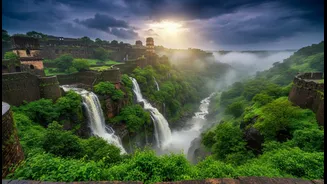
Monsoon trekking comes with inherent risks. Always check the weather forecast before you leave and be prepared for sudden, heavy downpours that can reduce visibility and make trails treacherous. It's safer to trek in a group and stick to marked trails, as taking shortcuts can be dangerous on slippery terrain. Be extremely cautious near waterfalls and streams, as water levels can rise unexpectedly. These plateau ecosystems are incredibly fragile. Stick to the designated paths to avoid trampling the delicate flowers and plants. These habitats support numerous endemic species, and it is our responsibility to ensure they are preserved. Follow Leave No Trace principles by carrying all your waste back with you. The magic of these seasonal pools depends on their pristine condition.