



The Monsoon's Alluring Dangers
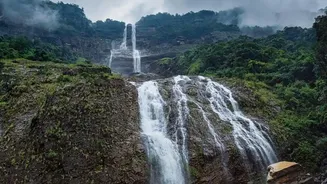
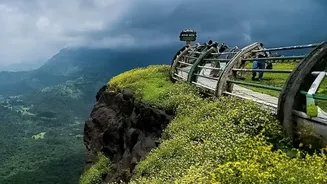
Every year, from June to September, the Western Ghats undergo a dramatic transformation. The southwest monsoon breathes life into the region, turning dusty trails into emerald pathways and dry cliffs into cascading waterfalls. For trekkers, this is an irresistible
call to adventure. The air is fresh, the landscape is intensely green, and the entire ecosystem feels alive. However, this seasonal beauty masks significant dangers. Heavy rainfall makes trails incredibly slippery, especially on the lateritic and basaltic rock common to the area. What was a simple crossing in winter can become a raging, impassable stream after just a few hours of rain. Dense fog can reduce visibility to mere feet, causing even experienced groups to become disoriented. The most severe threats are flash floods and landslides, which can occur suddenly and without warning, as seen in recent incidents across India's ghats and hilly regions.
When Mobile Networks Go Silent
The fundamental challenge for safety in the Western Ghats is the lack of reliable communication. Much of this rugged terrain lies outside the reach of mobile phone networks. In an emergency—a fall resulting in injury, a group losing its way, or a path being blocked by a landslide—a mobile phone is often useless. This communication blackout means that calling for help is impossible, and rescue operations, even when initiated, are delayed because rescuers have no precise location to target. In the past, this has led to tragic outcomes, turning preventable situations into life-threatening crises. Trekking groups have had to rely solely on the guide's knowledge of the terrain and hope that no unforeseen emergencies arise. This gap in connectivity has long been the weakest link in the safety chain for adventure tourism in the region.
A Lifeline from the Sky
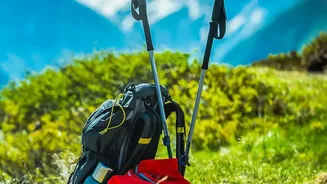
Enter the satellite beacon, a game-changing device that works where phones do not. These compact, durable gadgets, also known as Personal Locator Beacons (PLBs) or satellite messengers, connect directly to satellite networks orbiting the Earth. Unlike a standard GPS, which only receives location data, these devices can transmit a signal. In an emergency, a guide can press an SOS button, which sends a distress signal containing their precise GPS coordinates to an international satellite system or a private response center. This alert is then forwarded to local search and rescue teams, telling them exactly where help is needed. This technology effectively bypasses the need for cellular infrastructure, providing a reliable lifeline from almost anywhere on the planet. Some advanced models even allow for two-way text messaging, enabling the guide to communicate the nature of the emergency to rescuers.
How Guides Are Using Beacons on the Trail
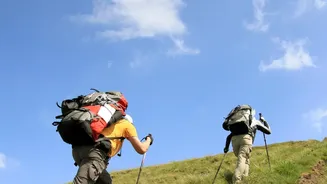
For guides leading groups through the monsoon-drenched Ghats, this technology is more than just a gadget; it's a powerful safety system. Before a trek, a guide can share a tracking link with their base camp, allowing organisers to monitor the group’s progress in real-time. This creates a digital breadcrumb trail, ensuring that the group is on the correct path and moving as expected. If a trekker suffers a serious sprain or a more critical injury, the guide no longer has to make the difficult decision of sending someone for help or leaving the group. They can activate the beacon and wait for assistance, knowing that help is on its way to their exact location. This dramatically reduces response times and improves the chances of a positive outcome. It equips guides with a modern tool that complements their traditional knowledge of the land, weather, and trail conditions.
The Future of Responsible Trekking
The adoption of satellite beacons marks a significant step towards a safer, more responsible era of adventure tourism in India. While the use of satellite phones and communicators has faced regulatory hurdles in the past, their value in emergency situations is becoming undeniable. As these devices become more accessible and awareness grows, they have the potential to become a standard piece of equipment for all professional guides and trekking organisations. This technological safety net does not replace the need for proper planning, experienced guides, and respect for nature’s power. Instead, it enhances the ability of guides to manage risk and protect the lives of those they lead. By embracing this technology, the trekking community can ensure that the breathtaking beauty of the Western Ghats can be experienced with a newfound sense of security.