




A Waste Stream with Hidden Potential
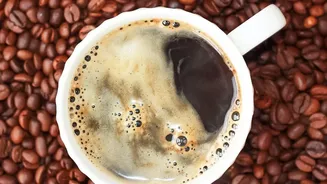
Every time a barista pulls an espresso shot or you brew a pot at home, less than 1% of the coffee bean's biomass ends up in your cup. The remaining 99%—the spent coffee grounds—are typically discarded, contributing millions of tonnes of organic waste
to landfills each year. In a landfill, this dense, nitrogen-rich material can release methane, a potent greenhouse gas. For years, the question has been what to do with this abundant waste stream. As it turns out, the properties that make coffee grounds a potential environmental problem also make them an almost perfect resource for a completely different kind of harvest.
The Perfect Substrate in Disguise
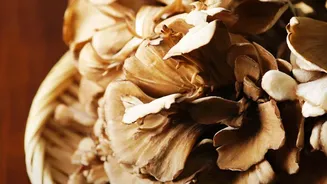
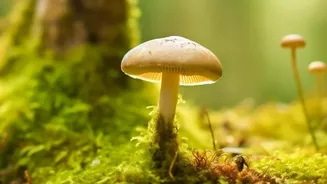
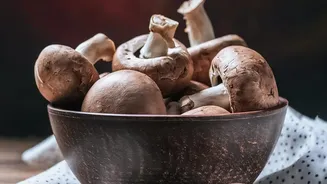
Enter the humble mushroom, nature's master recycler. Fungi like oyster mushrooms thrive on dead organic matter, breaking it down for nutrients. Spent coffee grounds happen to be an ideal food source. They are packed with nitrogen, cellulose, and other essential minerals that mycelium—the root-like network of a fungus—loves. Better yet, the brewing process effectively pasteurises the grounds, using hot water to kill off most of the competing bacteria and moulds that would otherwise contaminate a mushroom-growing medium. This built-in sterilisation gives mushroom spawn a head start, making coffee grounds a simpler and more forgiving substrate than materials like straw or wood, which require a separate pasteurisation step.
From Cafe Waste to Culinary Gold
The process is a brilliant example of circular-economy thinking in action. It begins with urban farms partnering with local coffee shops and restaurants to collect fresh spent grounds, diverting them from the bin. Back at the farm—which might be a repurposed shipping container, a basement, or a small warehouse—the grounds are cooled to room temperature. They are then mixed with mushroom spawn. Some cultivators also add materials like straw or sawdust to prevent the fine grounds from compacting, which ensures oxygen can flow through the substrate. This mixture is packed into special growing bags or buckets and left to incubate in a dark, controlled environment for two to three weeks. During this time, the white, thread-like mycelium completely colonises the dark grounds. Once fully colonised, the bags are moved to a space with more humidity and indirect light, and small cuts are made in the plastic. This change in conditions signals the fungus to fruit, and within days, clusters of premium oyster mushrooms begin to emerge, often doubling in size daily before they are ready to be harvested.
A Model for Sustainable Urban Business
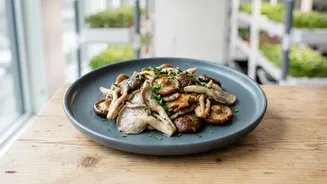
This innovative method offers far more than just fresh mushrooms. For urban entrepreneurs, it provides a low-cost, sustainable business model. The primary raw material is a free waste product, dramatically reducing overhead. These micro-farms can be established in small, unused urban spaces, bringing fresh food production directly into the cities where it's consumed and strengthening local food security. The environmental benefits are significant. By intercepting coffee grounds before they reach the landfill, these farms reduce waste and associated methane emissions. The entire cycle is incredibly efficient, producing a high-value, protein-rich food source with minimal land, water, or energy inputs. Pioneering social enterprises and businesses across Europe, from GroCycle in the UK to Funghi Espresso in Italy, have demonstrated that the model is not just sustainable, but profitable, often selling the fresh mushrooms back to the same cafes that provided the grounds.