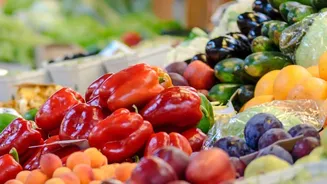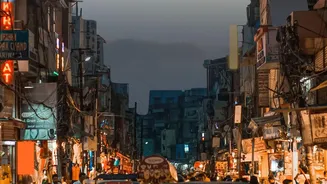








In the heart of bustling Indian cities, a quiet revolution is taking place. Despite the convenience of air-conditioned supermarkets, a growing number of urban shoppers are bypassing brightly lit aisles for the vibrant chaos of the local sabzi mandi.
The Unbeatable Freshness Factor
The
single biggest driver for this shift is the undeniable quality and freshness of the produce. Unlike supermarket fruits and vegetables that often travel hundreds of miles over several days, losing nutrients and flavour along the way, produce at a local market is typically sourced from nearby farms. Often, the vegetables on sale were harvested just that morning or the day before. This short supply chain means you get food at its peak ripeness, resulting in more vibrant colours, crisper textures, and richer taste. Studies have shown that produce starts losing nutritional value, like Vitamin C, almost immediately after being picked, so a shorter time from farm to table means healthier, more nutrient-dense food.
An Economic and Sensible Choice
While supermarkets offer fixed prices, local markets provide a different kind of economic advantage. By cutting out the multiple intermediaries—distributors, wholesalers, and large retail corporations—local markets often offer more competitive pricing. The money spent goes more directly to the farmer or the small vendor, supporting the local economy in a tangible way. For many shoppers, the ability to see, touch, and smell the produce before buying offers a sense of control and assurance that pre-packaged goods cannot match. This direct interaction builds trust and a connection to the food being purchased.
A Rich Sensory Experience
Shopping at a local market is an experience that engages all the senses. It’s a world away from the sterile, uniform environment of a supermarket. The air is filled with the earthy smell of fresh greens, the sweet aroma of ripe fruits, and the complex scent of spices. The sounds of vendors calling out their daily prices and the friendly chatter of neighbours create a lively, dynamic atmosphere. The visual appeal of colourful, seasonal produce piled high is a feast for the eyes. This sensory immersion makes a routine chore feel more like a community event, a welcome break from the often impersonal nature of modern urban life.
The Power of Community Connection
Local markets are more than just places to buy food; they are community hubs. Regular visits foster relationships between shoppers and vendors. You get to know the person who grows or sources your food, learn about seasonality, and might even get tips on how to cook a particular vegetable. This human connection builds a sense of belonging and trust that is absent in a large retail chain. Choosing to shop at a local mandi is a vote for the small-scale farmer and the local entrepreneur, strengthening the fabric of the community and ensuring these vital spaces continue to thrive.
A Nod to Conscious Consumerism
The move towards local markets is also part of a larger, global trend towards more conscious and sustainable living. Urban buyers are increasingly aware of their environmental footprint. Food sold at local markets typically involves far less plastic packaging and requires significantly less transportation, reducing 'food miles' and the associated carbon emissions. This shift reflects a desire for a more transparent food system, where consumers know where their food is coming from and can make choices that align with their values, whether that's supporting organic farming practices or simply reducing waste.