






The Concrete Jungle's Fever
This phenomenon is known as the Urban Heat Island (UHI) effect. Throughout the day, the materials that make up our cities—concrete, asphalt, and brick—absorb vast amounts of solar radiation. Unlike natural landscapes with soil and vegetation, which cool
their surroundings through shade and evapotranspiration, these urban surfaces act like giant heat sponges. As the sun sets, the stored warmth is slowly released back into the air. This process keeps urban areas significantly warmer than their rural counterparts, with the temperature difference often being most pronounced at night.
Trapped in Canyons of Heat
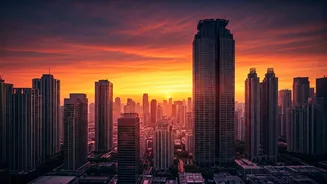
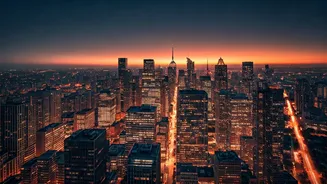
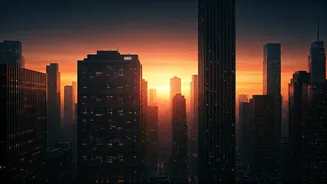
High-rise buildings dramatically intensify this effect. When packed closely together, they create what scientists call 'urban canyons'. These canyons of steel and concrete have a dual effect. First, they trap the sun's heat at ground level, as multiple surfaces reflect and absorb radiation. Second, and more critically for night cooling, they obstruct natural wind flow. This stagnant air prevents the accumulated heat from dissipating. The dense geometry of tall buildings also reduces the 'sky view factor', limiting the ability of heat to radiate back into the colder night sky. The result is a blanket of warm air that remains trapped between buildings, preventing any significant drop in temperature.
The Cost of Sleepless Nights
The lack of nighttime cooling is more than just an inconvenience; it's a growing public health and economic issue for Indian cities like Delhi, Mumbai, and Bengaluru. The human body relies on cooler nighttime temperatures to recover from daytime heat stress. When that relief doesn't come, the risk of heat-related illnesses, such as heatstroke and dehydration, increases significantly. This is particularly dangerous for vulnerable populations, including the elderly and those without access to air conditioning. Furthermore, the persistent heat drives up energy consumption as AC units work overtime, straining urban power grids and leading to higher electricity bills for households and businesses.
Designing a Cooler Future
As India's urban population is projected to soar, addressing this issue is critical. Thankfully, solutions exist. Urban planners and architects are exploring strategies known as nature-based solutions. This includes increasing green infrastructure, such as rooftop gardens, vertical forests, and large urban parks, which provide cooling through shade and evapotranspiration. Another key strategy is the use of 'cool' materials—lighter-colored and more reflective surfaces for roofs and pavements that absorb less heat. Smart urban planning that incorporates ventilation corridors to allow natural airflow can also make a significant difference. Cities like Ahmedabad and Mumbai are already beginning to integrate some of these heat action plans and nature-based solutions into their development.