



Meet the Cosmic Wonder: Centaurus A
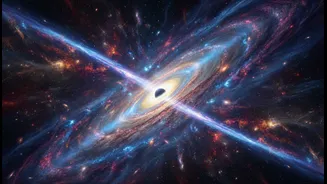
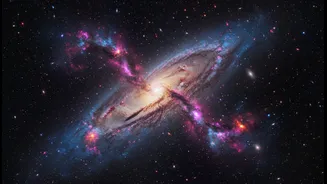
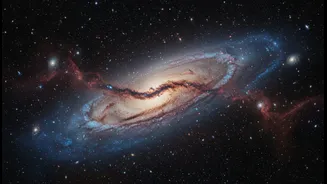
So, what is Centaurus A? Think of it as a giant, old elliptical galaxy that had a head-on collision with a smaller, spiral galaxy about two billion years ago. This cosmic smash-up left it with a very peculiar look. A dark, thick band of dust slices right
through its middle, which is why astronomers have been fascinated with it for years. It’s one of the closest radio galaxies to Earth, located about 11 to 13 million light-years away. At its heart lies a supermassive black hole, not just sitting there, but actively feeding on gas and dust and shooting out powerful jets of energy. This makes it an 'active' galaxy, and a perfect laboratory for studying how galaxies evolve.
Webb’s Super-Powered Vision
Before Webb, other telescopes like Hubble tried to peek into Centaurus A. But that thick belt of dust acted like a cosmic curtain, blocking their view of the galaxy's centre. Older infrared telescopes like Spitzer could see through the dust but didn't have sharp enough vision to see fine details. This is where the James Webb Space Telescope (JWST) comes in. Think of it as having superpowers. Its giant mirror and advanced instruments are designed to see in infrared light. This type of light can pass straight through the dust clouds that block visible light, giving us a clear view of what’s happening inside for the very first time. The new images are so sharp they can pick out individual stars from millions of light-years away.
What the New Image Actually Shows
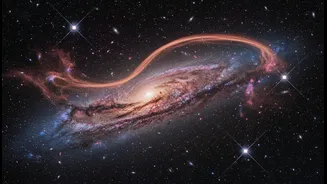
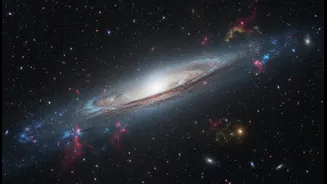
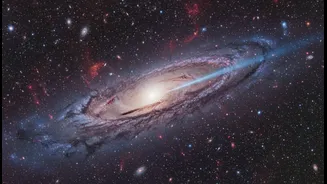
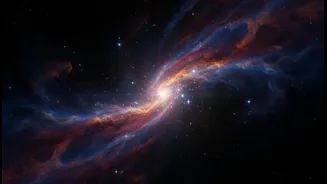
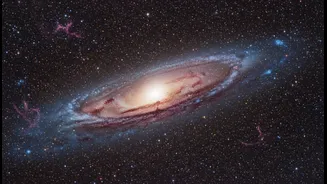
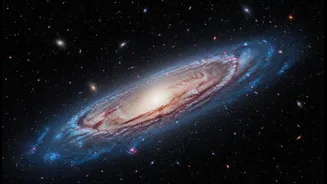
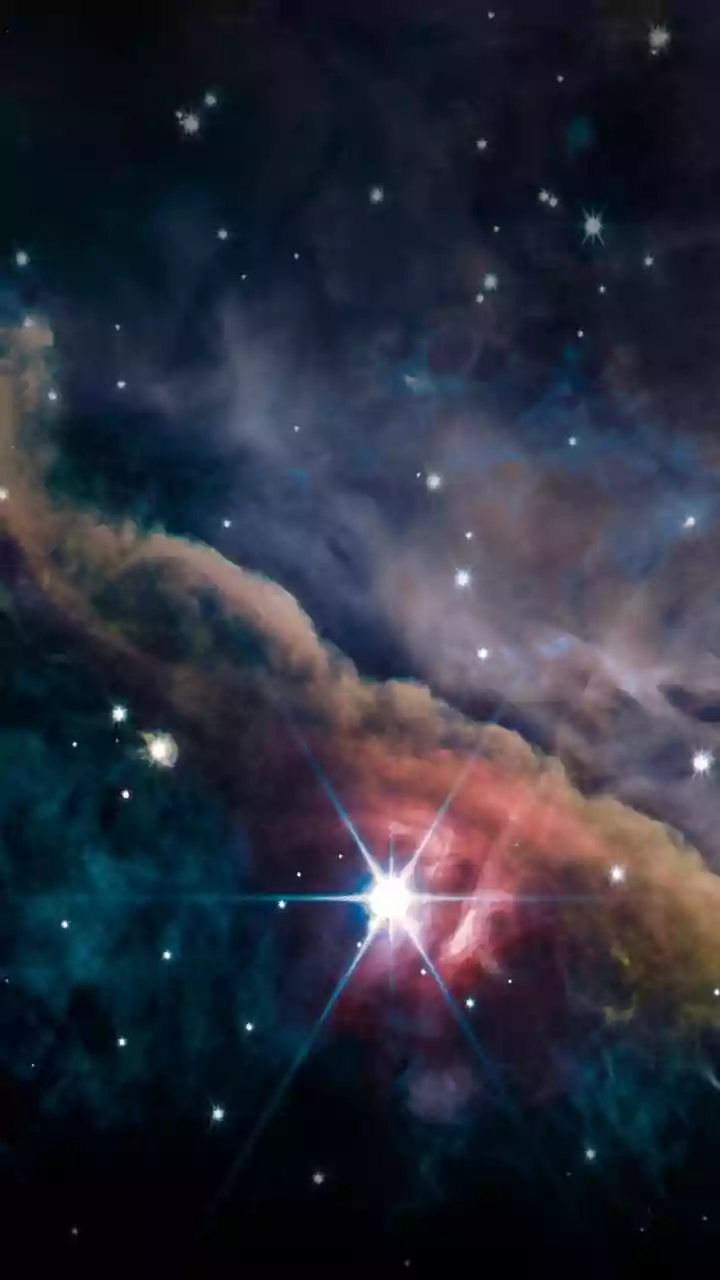
The new image from Webb is mind-blowing. That dark, dusty band we knew about? It’s now revealed as a glowing, intricate structure full of loops, filaments, and bright knots. Webb’s mid-infrared camera (MIRI) shows these dust structures in amazing detail, highlighting areas where new stars are being born inside dense clouds. What used to look like a faint glow is now resolved into millions of individual stars, which astronomers can study one by one. This allows them to do 'galactic archaeology'—figuring out which stars are old, which formed during the big collision, and which are brand new. Scientists also noticed a mysterious 'S' shaped feature and a strange parallelogram-like structure in the dust, raising new questions about the galaxy's chaotic past.
A Closer Look at the Black Hole's Engine
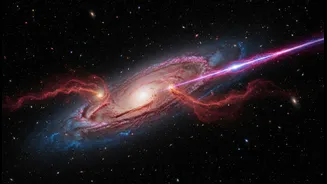
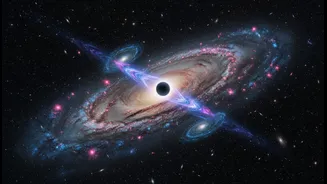
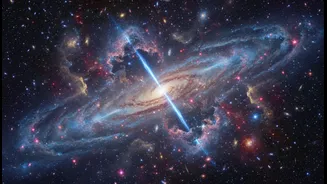
At the centre of all this action is a supermassive black hole, about 55 million times the mass of our sun. It’s constantly pulling in material from the messy aftermath of the galactic merger. As it 'feeds', it doesn't just swallow everything. It also blasts out enormous jets of high-energy particles that travel at nearly the speed of light. These jets slam into the surrounding gas, creating shockwaves and influencing the entire galaxy. Webb's new data allows scientists to see how gas is moving around the black hole. They can see some gas being pushed away violently, while other gas clouds are being squeezed, triggering the birth of new stars. It’s a dramatic push-and-pull that shapes the galaxy's destiny.
Why This Cosmic Story Matters
You might wonder, why should we in India care about a galaxy millions of light-years away? Studying Centaurus A is like looking at a page from our universe's history book. Understanding how this galaxy was shaped by a massive collision helps us understand how other galaxies, including our own Milky Way, might have formed and grown over billions of years. It gives us a close-up look at the powerful relationship between a supermassive black hole and its host galaxy—how it can both create and destroy. Each new image from Webb peels back another layer of the cosmos, answering old questions and asking new ones. It’s a reminder that we are part of a vast, dynamic universe, and the quest for knowledge is a journey for all of humanity.