


Why Your Plants Are Drowning
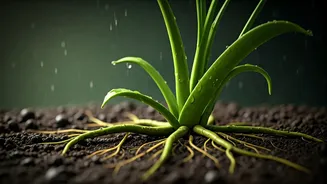
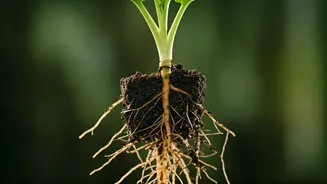
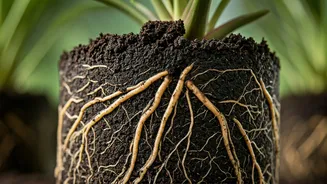
Plants need water to survive, but they also need to breathe. When soil becomes waterlogged, the air pockets that supply oxygen to the roots get filled with water. Without oxygen, roots can't absorb nutrients effectively, even in the richest soil. This
leads to a condition called root rot, a fungal disease that can quickly kill a plant. Proper drainage ensures that excess water flows away, leaving the perfect balance of moisture and air. This prevents diseases, stops the buildup of harmful salts, and encourages strong root development, which is the foundation of any healthy plant.
Warning Signs of Poor Drainage
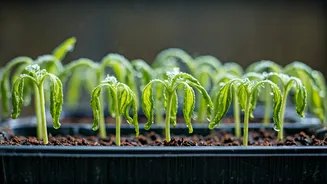
Your garden will give you clear signals if it's struggling with drainage. The most obvious sign is standing water or puddles that linger for hours, or even days, after it rains. You might also notice that the ground feels consistently soggy or spongy underfoot. Look at your plants: are their leaves turning yellow, especially the lower ones? Are they wilting even though the soil is wet? These are classic symptoms of roots suffocating. Other clues include a sour or slimy smell from the soil, a sudden increase in pests like mosquitoes, or patches where grass and other plants refuse to grow.
The Simple Drainage Test
Curious about your garden's performance? You don't need any fancy equipment to test your soil's drainage. Just dig a hole about one foot deep and one foot wide. Fill it with water and let it drain completely. Then, fill it again and use a ruler to measure how much the water level drops in one hour. Ideally, it should drain at a rate of one to two inches per hour. If it drains much slower, you have a drainage problem. If it drains too quickly (more than four inches per hour), your soil may be too sandy and have trouble retaining enough moisture for your plants.
Simple Fixes for a Sogg-Free Garden
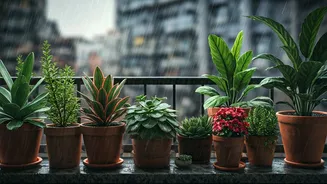
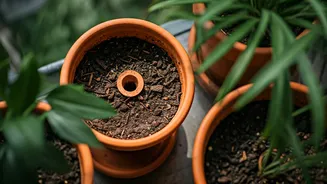
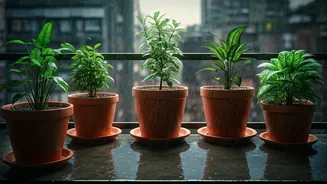
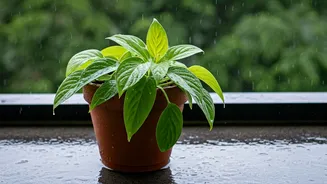
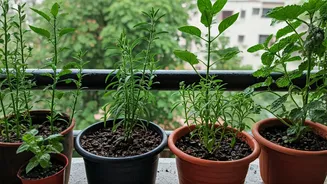
Improving drainage doesn't always require a massive overhaul. For many gardens, especially those with heavy clay soil common in many parts of India, the best solution is to consistently add organic matter. Mixing in compost, well-rotted manure, or leaf mould helps separate tightly packed soil particles, creating channels for water to flow. For compacted areas, simply using a garden fork to loosen the soil can work wonders. If you have potted plants, especially during the monsoon, ensure their drainage holes are not blocked and consider lifting them slightly off the ground with bricks or pot feet to allow water to escape freely.
When You Need a Bigger Solution
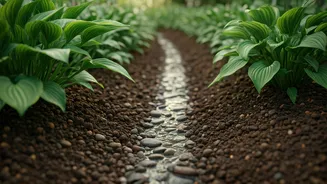
For persistent waterlogging, you may need a more structural approach. Building raised beds is an excellent way to give your plants the well-drained soil they crave, as you have complete control over the soil composition. Another effective, though more involved, solution is a French drain—a trench filled with gravel and a perforated pipe that channels water away from a problem area. In some cases, simply re-grading a part of your yard to create a gentle slope can guide excess water away from plant beds and your home's foundation. A sustainable option gaining popularity is the 'rain garden', a shallow depression with water-loving plants designed to collect and absorb runoff.