



Understanding the Dry Bag
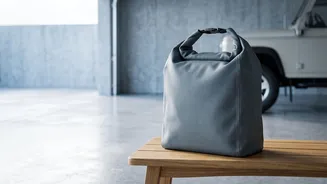
Before diving into specifics, let's clarify what a dry bag is. Unlike a regular backpack with a rain cover, a dry bag is designed to be inherently waterproof. It’s a single-compartment sack made from waterproof materials with a specialised closure system
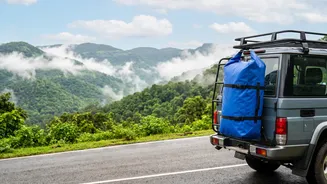
that creates a watertight seal. This makes it essential for any activity where your belongings are at risk of getting wet, from a downpour on the highway to an unexpected splash while crossing a stream. For a monsoon road trip, whether on a motorcycle or in a car, it is the most dependable way to protect everything from clothes to electronics.
Material Matters: PVC vs. Nylon vs. TPU
The material of your dry bag dictates its durability, weight, and price. Most dry bags are made from PVC-coated fabric, which is tough, highly abrasion-resistant, and cost-effective, making it a popular choice. These are excellent for rugged use, like being strapped to a motorcycle. The alternative is polyurethane (PU) or thermoplastic polyurethane (TPU) coated nylon or polyester fabrics. These are lighter, more flexible, and more environmentally friendly to produce. While nylon bags can be very durable, some ultralight versions ('dry sacks') are designed to be used inside another pack for protection, as they are less resistant to abrasion on their own. For standalone use on a road trip, a heavy-duty PVC or a robust TPU-coated bag is your best bet.
The All-Important Closure System
The most common and effective sealing mechanism on a dry bag is the roll-top closure. This design features a stiffened strip at the top opening that you fold or roll down at least three times before securing it with a buckle. This process creates a highly effective watertight seal. Some bags may feature waterproof zippers, which offer quicker access but are more expensive and require occasional lubrication to maintain their seal. For the sheer reliability needed to brave a monsoon, the classic roll-top closure is the industry standard and the most recommended option.
Choosing the Right Size and Capacity
Dry bag capacity is measured in litres. Choosing the right size depends entirely on what you plan to carry. A small 5-10 litre bag is perfect for essentials like your phone, wallet, keys, and a small camera. A medium 20-30 litre bag can hold a change of clothes, a towel, and other day-trip items. For longer trips requiring multiple outfits, a sleeping bag, or more gear, look for bags in the 40-50 litre range. A good strategy is to use multiple smaller bags to organize your gear—one for electronics, one for clothes, one for documents. This not only keeps things tidy but also adds a layer of redundant protection. When in doubt, it's better to get a slightly larger bag, as an almost-full bag seals more effectively.
Types of Dry Bags and Extra Features
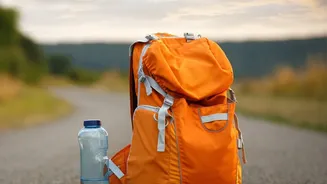
Dry bags come in several forms. The most basic is the simple sack, but you can also find them designed as backpacks and duffel bags. Dry bag backpacks come with padded shoulder straps, making them comfortable to carry off the bike or away from the car. Dry duffels offer a larger opening and are great for stowing bulky gear. For motorcycle touring, look for bags with built-in straps or D-rings, which allow you to securely lash the bag to your bike's tail rack or sissy bar. Other useful features include external mesh pockets for water bottles, internal pockets for organization, and bright colours or reflective strips for better visibility in low light or heavy rain.