

Start with a Thorough Squeeze
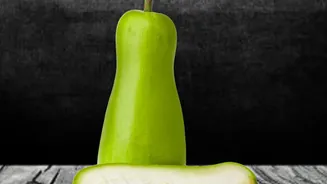
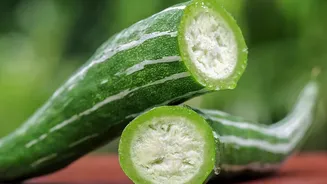
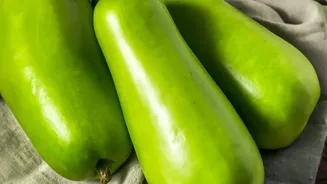
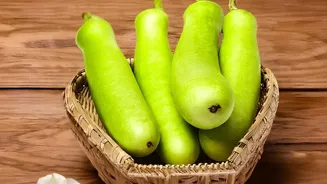
Bottle gourd, or lauki, is famously high in water content, and its peels are no different. The single most critical step to prevent soggy kebabs is removing as much liquid as possible before you even start mixing ingredients. After grating or finely chopping
the peels, place them in a bowl and sprinkle generously with salt. Let them sit for about 10 to 15 minutes. The salt will draw out a significant amount of water through osmosis. Afterwards, take handfuls of the grated peel and squeeze with all your might. You can also place the peels in a muslin cloth or cheesecloth and wring it out until no more water drips. You'll be surprised how much liquid comes out, and this reserved water can be used to add nutrition to gravies or knead dough.
Give Them a Quick Roast or Sun Dry
For an extra layer of protection against moisture, consider lightly drying the squeezed peels. You don't need to dehydrate them completely, but a little pre-cooking can make a world of difference. One method is to spread the squeezed peels on a hot pan or tawa and dry-roast them for a few minutes on low heat, stirring continuously. This will evaporate any remaining surface moisture. Another traditional method, if you have the time and sunlight, is to spread the peels on a plate and let them sun-dry for an hour or two. This technique not only removes excess water but also slightly intensifies the flavour of the peels.
Choose Your Binder Wisely
The binding agent holds your kebabs together, but the wrong one can add unnecessary moisture. The best binders for a wet mixture like lauki peel are dry, absorbent flours. Roasted gram flour (besan or sattu) is a classic choice because its roasted flavour complements the spices and it effectively soaks up liquid. Add it gradually, just enough for the mixture to hold its shape. If you add too much, the kebabs can become dense and hard. Other excellent dry binders include breadcrumbs, powdered oats, or a small amount of cornflour. Avoid using wet binders or ingredients that release more water.
Mind Your Other Ingredients
While it's tempting to load your kebabs with lots of vegetables for extra flavour and nutrition, be mindful of their water content. Ingredients like onions, tomatoes, and fresh coriander all release moisture when cooked. It's best to use them in moderation. If using onions, chop them very finely and you can even lightly sauté them beforehand to reduce their water content. When adding spices and salt, remember to add salt last, just before you are ready to fry. If you add it too early, it will continue to draw water out of the peels and any other vegetables, making your carefully prepared mixture loose again.
Perfect Your Frying Technique
How you cook the kebabs is just as important as how you prepare the mixture. The key is to use medium-hot oil for shallow or deep frying. If the oil is not hot enough, the kebabs will sit in it for too long, absorb excess oil, and turn soggy. If it's too hot, they will brown too quickly on the outside while remaining raw and mushy inside. To test the oil, drop a tiny piece of the mixture into the pan; if it sizzles and rises to the surface steadily, the temperature is right. Also, avoid overcrowding the pan. Frying in small batches ensures the oil temperature remains stable and gives each kebab enough space to cook evenly and form a crisp, golden-brown crust.