







From Swiss Alps to Dusty Bylanes
For decades, mainstream Indian entertainment sold dreams. It presented a world of impossibly beautiful people in sprawling mansions or dancing in picturesque European landscapes. But the Over-the-Top (OTT) revolution has ushered in a seismic shift. The
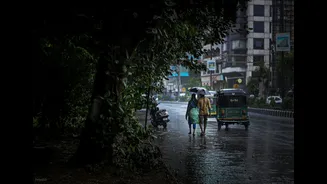
new darlings of the streaming world, from 'Panchayat' to 'Gullak' and 'Jamtara', are deeply rooted in the specific realities of India's small towns and overlooked neighbourhoods. This move away from escapism towards realism isn't just a creative choice; it's a response to a growing audience demand for stories that feel authentic and relatable. Instead of showcasing a life to aspire to, these series hold up a mirror to the lives many Indians actually live, finding compelling drama in the mundane.
The Power of Being Specific
Hyper-local realism is more than just a rural or small-town setting; it's about the granular details. It’s the specific dialect and cyber-crime tactics of 'Jamtara: Sabka Number Ayega', which is based on real-life phishing scams in Jharkhand. It’s the charmingly frustrating local politics of Phulera village in 'Panchayat'. It’s the everyday conflicts and heartwarming bonds of a middle-class family in 'Gullak', where a malfunctioning water motor can become the central plot of an episode. This specificity creates a powerful connection. For many viewers, especially those in Tier-II and Tier-III cities, it's the first time they are seeing their own cultural nuances, dialects, and daily struggles accurately portrayed on screen, rather than as caricature or comic relief.
Gen Z and the Search for Authenticity
This trend has found a particularly enthusiastic audience in Gen Z. Raised on the internet, this generation is digitally native and inherently skeptical of overly polished or manufactured perfection. They value authenticity, often preferring the unfiltered chaos of a TikTok video to a glossy, studio-produced advertisement. This mindset extends to their entertainment choices. A survey found that 62% of Gen Z prefer content with real emotions and imperfect characters. They are less interested in flawless heroes and more drawn to relatable protagonists navigating complex, messy lives. Series like 'Kota Factory', which explores the immense pressure faced by students, or 'Aspirants', which delves into the struggles of preparing for civil service exams, resonate because they tackle real-world anxieties with honesty and humour.
Expanding India's On-Screen Map
For too long, the 'India' seen in popular media was limited to Mumbai and Delhi, with other regions serving merely as exotic backdrops. Hyper-local content is radically changing this, putting places like Jharkhand, Madhya Pradesh, and the small towns of Uttar Pradesh at the center of the narrative. This not only provides a platform for regional stories and talent but also expands the cultural understanding of the nation as a whole. Viewers are introduced to the complexities and unique charm of parts of the country they may have never known otherwise. This shift is also smart business, as streaming platforms tap into huge, previously underserved audiences in non-metro areas who are hungry for content in their own languages and dialects.
The Freedom of Streaming
This creative renaissance is made possible by the business model of streaming platforms. Unlike traditional film distribution, which requires a movie to appeal to a massive, nationwide audience to be profitable, OTT services can thrive by catering to niche tastes. This gives creators the freedom to tell smaller, more specific, and character-driven stories without the pressure of delivering a blockbuster. Production houses like The Viral Fever (TVF) have built their brand on creating content that feels grounded and genuine, proving that well-written stories about ordinary people can build a dedicated and passionate following. This has encouraged major platforms like Netflix and Amazon Prime Video to invest heavily in regional and hyper-local productions, further fuelling the trend.