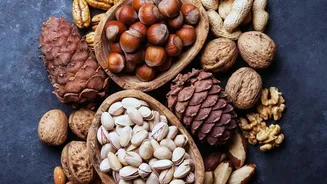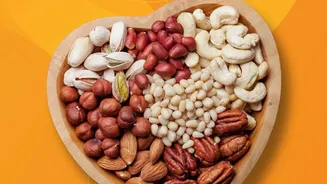






It's a wellness trend that feels both ancient and new: soaking nuts and seeds in water before eating them. Proponents say it unlocks nutrients and aids digestion, but is there any science to it? Let's dive in.
Nature's Defence System
Nuts and seeds are nutritional powerhouses,
packed with healthy fats, protein, vitamins, and minerals. But they also come with a built-in defence system designed to protect them until conditions are perfect for germination. This system includes compounds like phytic acid and enzyme inhibitors, which are fantastic for helping a seed survive but can pose challenges for our digestive systems. These compounds are often referred to as 'anti-nutrients' because they can interfere with our ability to absorb the very nutrients we're eating the nuts for.
The Phytic Acid Problem
Phytic acid is the main storage form of phosphorus in plants. In the human gut, it can bind to essential minerals like calcium, iron, magnesium, and zinc, forming insoluble complexes that our bodies can't absorb. This means that even if a nut is technically rich in these minerals, the phytic acid can prevent you from getting their full benefit. While this is not typically a concern for those with a balanced diet, for individuals relying heavily on unfermented whole grains, seeds, and nuts, it could potentially contribute to mineral deficiencies over time. The process of soaking helps to activate phytase, an enzyme that begins to break down phytic acid. However, some recent studies suggest that soaking has a minimal effect on the phytic acid content in many nuts, with one study showing inconsistent changes and even some mineral loss into the water.
Understanding Enzyme Inhibitors
In addition to phytic acid, raw nuts and seeds contain enzyme inhibitors. Their job is to prevent the seed from sprouting prematurely. However, when we consume them, these same inhibitors can interfere with our own digestive enzymes, putting a strain on our system. This can lead to the feeling of heaviness, bloating, or general discomfort that some people experience after eating a large handful of raw nuts. Soaking neutralises these enzyme inhibitors, essentially signalling to the seed that it's time to 'wake up' and start germinating. This deactivation makes the nuts easier on the gut.
A Simple Guide to Soaking
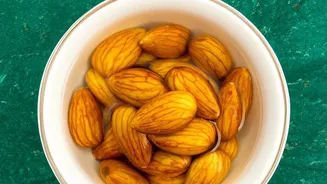
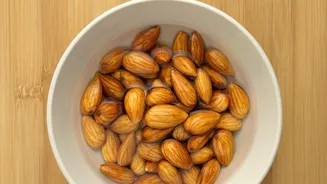
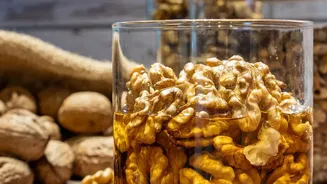
The good news is that this process is incredibly simple to do at home. All you need are raw, unsalted nuts or seeds, a bowl, water, and a pinch of salt. Place your nuts or seeds in a glass bowl, cover them completely with warm, filtered water, and add about a tablespoon of sea salt per four cups of nuts. The salt helps to activate the enzymes that break down the inhibitors. Let them sit on the counter for the recommended time. Harder nuts like almonds require a longer soak (around 8–12 hours), while softer nuts like cashews only need 2–4 hours. After soaking, you'll notice the water is often cloudy or brown; this is from tannins and inhibitors that have leached out. Drain this water, give the nuts a thorough rinse, and they are ready to eat. They will have a softer, creamier texture. If you prefer them crunchy, you can dry them in a dehydrator or an oven on its lowest temperature setting until they are fully crisp.
Beyond Digestion : Other Benefits
Easier digestion and potentially improved nutrient absorption are the primary reasons for soaking , but they aren't the only ones . Many people find that soaking significantly improves the taste and texture of nuts . For example , it can reduce the bitterness of walnuts , which comes from tannins in their papery skin . Soaked nuts are also softer and creamier , which makes them ideal for creating homemade nut milks , raw desserts , and creamy sauces without a high–powered blender . While the scientific jury is still deliberating on the exact degree of nutritional improvement , the anecdotal evidence for improved digestibility and taste is strong for many people .