

Beyond the Tourist Trail
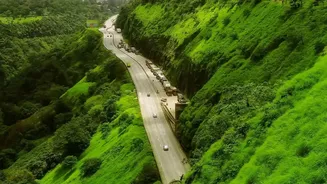
The secret to unlocking the serene soul of the Western Ghats lies in a simple mindset shift: trade the destination for the journey. While major hill stations have their appeal, they are often choked with traffic and commercial establishments. The real
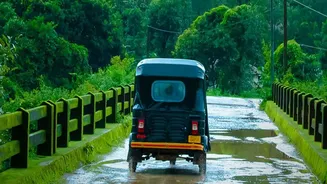
magic is found on the quieter state highways and rural roads that snake through valleys many tourists never see. Planning for this kind of travel means letting go of a rigid itinerary. Instead of booking hotels in major towns, look for homestays in smaller villages. This approach not only supports local communities but also opens the door to authentic experiences, from sharing a meal with your hosts to getting tips on the most scenic, unknown routes nearby. The goal is to embrace exploration, allowing the winding roads and unfolding landscapes to guide you.
Where to Point Your Compass
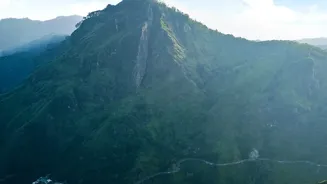
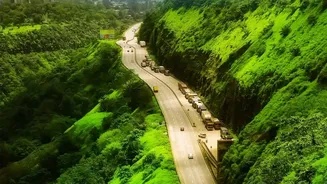
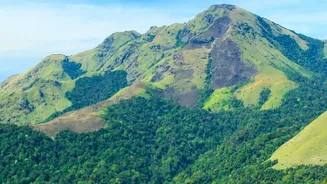
To start your journey, consider regions that are rich in beauty but low on tourist footfall. In Tamil Nadu, the Megamalai region, also known as the 'High Wavy Mountains', is a perfect example. It’s a secluded paradise of tea and cardamom estates, misty peaks, and pristine dams. The journey to get there is part of the adventure, with winding roads that demand a sturdy vehicle but reward you with breathtaking views. In Maharashtra, skip the crowds of Lonavala and head towards the Amboli Ghat in the Sahyadris. This area, often called the 'Cherrapunji of Maharashtra', transforms into a lush, green wonderland during the monsoons, with countless waterfalls and dense fog creating a mystical atmosphere. For those in Karnataka, the area around Sakleshpur and Agumbe offers deep forests, coffee plantations, and quiet trekking trails away from the more commercialised Coorg. These lesser-known regions are gateways to the solitude the headline promises.
The Drive Itself Is the Reward
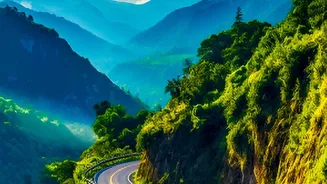
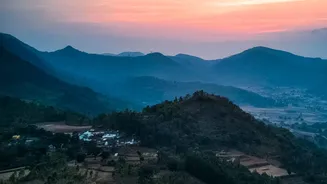
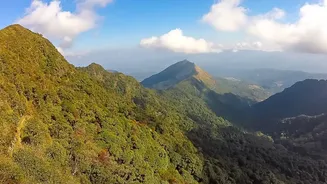
A road trip through these valleys is an immersive experience. The landscape is in constant flux, shifting from dense shola forests to rolling grasslands and then to sprawling plantations. Each turn reveals a new vista: a gushing stream, a tiny hamlet with terracotta-roofed houses, or a viewpoint overlooking a vast, emerald valley. The drive encourages you to slow down. Stop for a cup of tea at a local stall, watch farmers tend to their fields, or simply pull over to listen to the sounds of the forest. This is a far cry from the hurried sightseeing of popular tourist circuits. In these parts of the Western Ghats, you'll find that the journey provides more memorable moments than any single destination. It’s about the feeling of being enveloped by nature, with only the road ahead and the rhythm of rural life around you.
Essential Tips for the Explorer
To make the most of your trip, a little preparation goes a long way. Ensure your vehicle is in good condition, as many of these roads can be steep, narrow, and occasionally unpaved. A car with good ground clearance is advisable, especially if travelling during or after the monsoon. Pack essentials like a first-aid kit, snacks, and enough water, as shops can be few and far between. While navigating, rely on a combination of digital maps and local advice. Oftentimes, the most scenic routes are not listed online. Finally, travel responsibly. The ecological sensitivity of the Western Ghats requires us to be mindful travellers. Carry your waste with you, respect local customs, and leave these pristine places as you found them, ensuring they remain a haven of solitude for years to come.