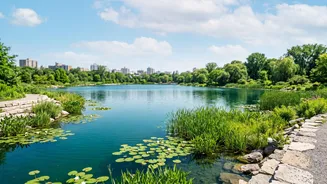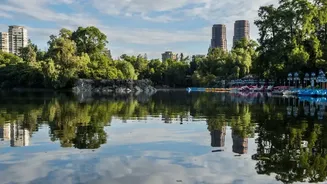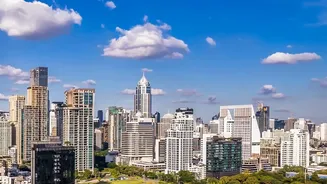






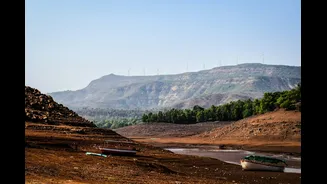

In the heart of India's bustling cities, often defined by concrete and traffic, lie serene pockets of blue and green. Urban lakes are more than just scenic spots; they are crucial ecosystems that serve a dual purpose for city dwellers and nature alike.
A Hub for Community Life
Urban lakes are the social hearts of many neighbourhoods, offering a much-needed escape from the high-stress pace of city life. These spaces provide accessible avenues for recreation and wellness that are open to everyone. Around their peripheries, you will find jogging tracks bustling with morning walkers, families enjoying picnics, and children playing. Many lakes, such as Damdama Lake in Haryana or the lakes in Udaipur, offer boating and other water-based activities, turning them into popular weekend destinations. These shared spaces foster a sense of community, hosting everything from local festivals to fitness groups. They are natural gathering points where residents can connect with neighbours and nature simultaneously, enhancing mental and physical well-being. By providing a free and open venue for leisure, urban lakes significantly improve the quality of life for millions.
Sanctuaries for Urban Wildlife
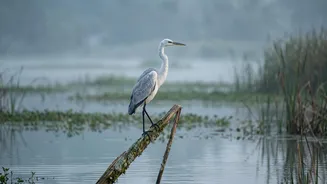
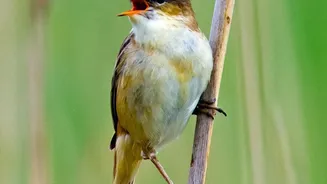
Beyond their value to people, urban lakes are critical biodiversity hotspots. They serve as vital habitats for a wide array of flora and fauna that have adapted to city living. These wetlands function as 'biodiversity islands', providing essential resources for resident and migratory birds. For instance, Panjappur Lake in Tiruchirappalli has become a key site for migratory birds like the Bar-headed Goose, which travels from Central Asia. Restored lakes in Chennai and Bengaluru are known to attract species that had not been seen for decades. These ecosystems support everything from fish and amphibians to insects and native plants, which form a complex food web. The presence of diverse bird species, from herons to raptors, is often a key indicator of a healthy, functioning lake ecosystem.
The Unseen Environmental Benefits
The advantages of urban lakes extend far beyond what is visible. They act as natural infrastructure, performing critical environmental services for the city. Functioning as 'urban sponges', healthy lakes absorb excess rainwater during monsoons, which helps prevent flooding in low-lying areas. This stored water slowly percolates into the ground, recharging vital groundwater aquifers that many Indian cities depend on for their water supply. Furthermore, these large water bodies have a cooling effect on their surroundings, helping to mitigate the 'urban heat island' effect that makes cities warmer than surrounding rural areas. In essence, a well-maintained lake works silently to make a city more resilient, cooler, and water-secure.
The Challenge of Preservation
Despite their immense value, a large number of urban lakes across India are under severe threat. Rapid and often unplanned urbanisation has led to widespread encroachment, with lakes shrinking or disappearing entirely to make way for construction. Many have become dumping grounds for untreated sewage and industrial effluents, leading to heavy pollution. For example, Bellandur Lake in Bengaluru has become infamous for its toxic foam, a stark symbol of urban neglect. This degradation not only destroys wildlife habitats but also nullifies the lakes' ability to recharge groundwater and prevent floods, turning these assets into public health hazards.
The Power of Community Action
In the face of these challenges, community-led initiatives have emerged as a powerful force for change. Across India, citizens are partnering with local authorities and NGOs to reclaim and restore their neighbourhood lakes. The revival of Puttenahalli Lake in Bengaluru is a prime example of how a waterbody can be conserved through a balance of scientific management and community stewardship. Similarly, the restoration of Vellalur Lake in Coimbatore was driven by a local NGO with support from community volunteers. These efforts often involve cleaning drives, desilting, planting native vegetation, and stopping the inflow of pollutants. Such projects demonstrate that when local communities take ownership of their natural resources, even severely degraded lakes can be brought back to life.