


The Secret Starts with the Right Millet
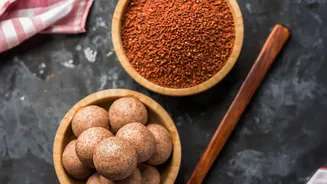
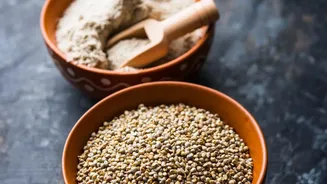
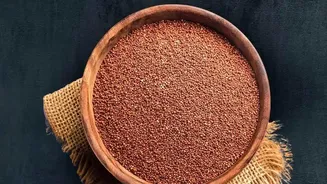
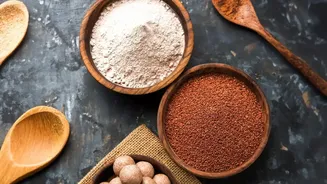
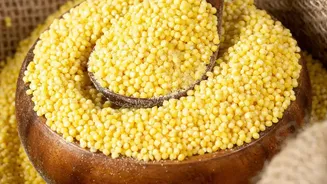
While many millets work, some are better suited for beginners. Foxtail millet (kangni/korralu) is an excellent starting point as its texture most closely mimics traditional rice, yielding soft idlis and crispy dosas. Other great options include Little
Millet (samai), Kodo Millet (varagu), and Barnyard Millet (kuthiraivali). You can use a single millet or create a blend for a more complex nutritional profile. The key is to rinse the millets thoroughly, at least 4-5 times, until the water runs clear to remove any impurities that could lead to a bitter taste.
Mastering the Golden Ratio
Consistency in idli and dosa making hinges on the ratio of millet to dal. A widely successful starting ratio is 4:1—four parts millet to one part whole, skinless urad dal. Some recipes use a 3:1 ratio with great success as well. For extra softness in idlis and crispiness in dosas, many experts recommend adding a small amount of a binding agent. This could be 1/4 cup of flattened rice (poha) or a few tablespoons of cooked millet or sago pearls (tapioca). A teaspoon of fenugreek (methi) seeds, soaked along with the dal, is also crucial as it aids in fermentation and adds flavour.
The Soaking and Grinding Technique
Proper soaking and grinding are non-negotiable for good texture. Always soak the millets and the urad dal (with fenugreek seeds) in separate bowls. An ideal soaking time is 6 to 8 hours. Soaking overnight can sometimes be too long, potentially causing premature fermentation. When grinding, start with the urad dal. Use ice-cold water in small increments to prevent the grinder from heating up and grind the dal until it is extremely smooth, light, and airy. The dal batter should be fluffy enough to float a small dollop in a bowl of water. Next, grind the soaked millets. For idlis, a slightly coarse texture, like fine semolina, is ideal. For dosas, you can grind it smoother. Always use minimal water while grinding the millet to maintain a thick batter.
Conquering the Fermentation Challenge
Fermentation is where the magic happens, and it's also where things most often go wrong. After combining the ground dal and millet batters, mix them thoroughly with clean hands. The microbes on your hands can help kickstart the fermentation process. Add rock salt or non-iodized salt, as iodized salt can sometimes inhibit the process. The batter needs a warm environment, ideally between 25-32°C, to ferment. Leave it covered in a warm spot for 8 to 12 hours, or until it has doubled in volume and has a pleasant, tangy aroma. If your kitchen is cold, you can place the batter in a turned-off oven with the light on or wrap the container in a warm blanket to maintain a stable temperature.
Cooking Soft Idlis and Crispy Dosas
For soft, fluffy idlis, the batter should be thick and airy. Do not over-mix the fermented batter, as this will deflate the air pockets. Lightly grease the idli moulds, pour the batter, and steam on a medium-high flame for 10-12 minutes. Over-steaming can make the idlis hard and dry. For crispy dosas, the batter needs to be slightly thinned with water to a pourable consistency. The tawa (pan) must be hot enough that a sprinkle of water sizzles and evaporates immediately. Pour a ladle of batter and spread it thinly in a circular motion. A common mistake is pouring batter on a scorching hot tawa, which causes it to stick. Drizzle with ghee or oil and cook on medium-high heat until the edges lift and the bottom is golden brown.
Troubleshooting Common Problems
If your idlis are hard, the batter may have been too thin or you over-steamed them. If dosas stick to the pan, it's often because the tawa isn't hot enough or isn't seasoned well. A bitter taste can be a sign of over-fermentation or not washing the millets enough. If the batter didn't ferment at all, the most common culprits are old urad dal, chlorinated water, or a kitchen that is too cold. Using high-quality, fresh ingredients is the foundation for avoiding many of these issues.