



The Whole Spice Advantage
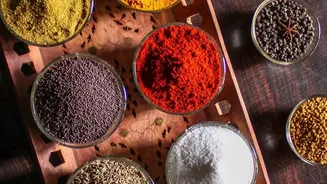
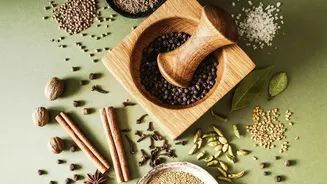
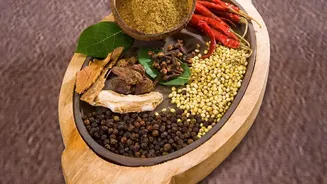
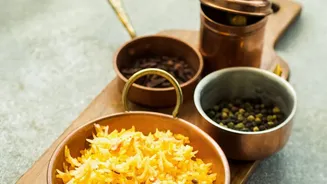
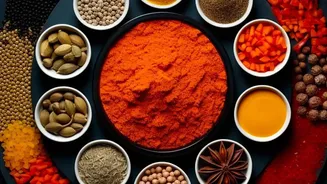
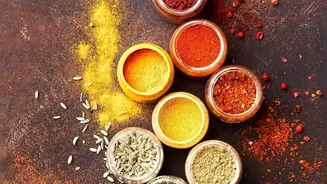
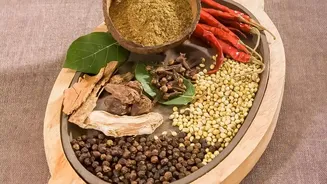
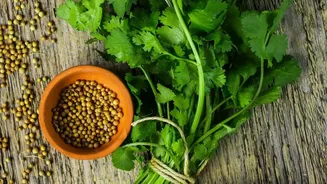
Choosing whole spices over pre-ground powders is about more than just tradition; it's about flavour, potency, and control. Whole spices, like cumin seeds, contain volatile essential oils locked within their natural structure. Grinding exposes a massive
surface area to air, light, and heat, causing these fragrant oils to degrade and evaporate quickly. As a result, whole spices stay fresher and more flavourful for much longer—often retaining their character for years, while ground spices can lose their vibrancy in a matter of months. Using spices in their whole form gives the cook precise control. You decide whether to toast, temper, crack, or grind them, tailoring the texture and flavour release to the specific needs of your dish.
Mastering Whole Cumin (Jeera)
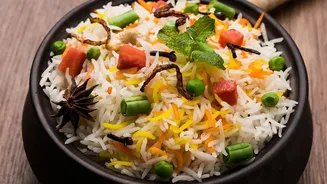
Whole cumin seeds, or jeera, can be transformed using two primary techniques, each yielding a distinct flavour profile. The first is dry toasting. By heating the seeds in a dry pan for a minute or two until they darken slightly and become fragrant, you develop a deep, nutty, and rounded aroma. Toasted seeds can then be used whole or ground into a powder that is far more potent than any store-bought version. The second, and perhaps most crucial technique in Indian cooking, is tempering, also known as tadka or chhonk. This involves blooming the whole cumin seeds in hot oil or ghee at the beginning of the cooking process. As the seeds sizzle and pop, they infuse the fat with their earthy flavour, creating an aromatic foundation that permeates the entire dish, from dals to jeera rice.
Tackling Whole Tamarind
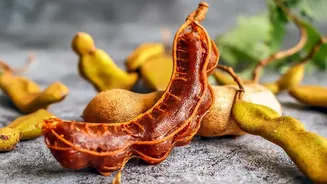
Tamarind provides a unique sweet-sour tang that balances the earthiness of cumin. While convenient, commercial tamarind pastes and concentrates can contain preservatives or added salt. Working with whole tamarind, usually sold in compressed blocks of pulp, gives you a purer, more nuanced flavour. The process is simple: tear off a piece of the block and soak it in hot or lukewarm water for about 15-20 minutes until it softens. Once softened, use your fingers to mash and squeeze the pulp, separating the soft flesh from the seeds and tough fibres. Finally, push the mixture through a sieve to collect the smooth, thick paste. The consistency can be adjusted by adding more or less water, making it perfect for everything from thin rasams to thick chutneys.
The Art of Balancing Flavours
Cumin and tamarind are a classic pairing in Indian cuisine for a reason. They share numerous flavour molecules, making them natural partners. The warm, earthy, and slightly bitter notes of cumin provide a perfect counterpoint to the bright, fruity sourness of tamarind. This balance is the cornerstone of many iconic dishes. In South Indian rasam or sambar, the tamarind water forms the tangy base, while a final tempering of whole cumin seeds in ghee adds a layer of savoury aroma that ties it all together. In khatti dal, tamarind provides the signature 'sour' element, which is complemented by the depth of toasted cumin. The key is to treat them as partners, not competitors. Neither can be substituted for the other; their magic lies in how they harmonize.
Common Pitfalls to Avoid
Working with whole spices is straightforward, but a few common mistakes can derail your dish. The most frequent error is burning the spices during tempering. If your oil is smoking hot, the delicate cumin seeds will scorch in seconds, turning bitter and ruining the flavour base. Always use medium heat and add the next ingredient as soon as the seeds become fragrant and a shade darker. Another issue is improper storage. Keep whole spices in airtight containers away from heat and light to preserve their essential oils. With tamarind, a little goes a long way. Using too much can make a dish overwhelmingly sour, so it's best to add it incrementally and taste as you go. Finally, don't forget that salt is a flavour enhancer; the right amount will make both the cumin and tamarind notes pop.