


The Heart of the Rumours
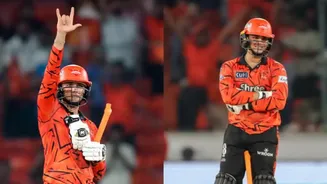
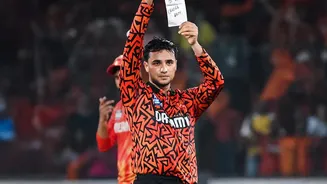
The core of the issue, according to multiple media reports, is Abhishek Sharma's discontent regarding the leadership succession at SRH. With regular skipper Pat Cummins expected to be unavailable for the 2027 season due to international commitments, the franchise
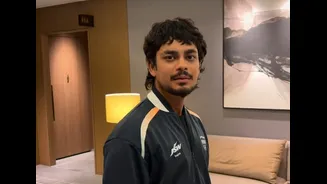
has reportedly lined up Ishan Kishan as the next captain. This decision is said to have not sat well with Abhishek, who has been with the franchise since 2019 and reportedly harboured his own captaincy aspirations. An unnamed source cited in reports mentioned it's an open secret that Abhishek is unhappy since the captaincy was earmarked for Kishan. While SRH CEO K Shanmugam has publicly denied these claims, terming them untrue, the speculation persists within the IPL ecosystem.
A Clash of Ambition and Strategy
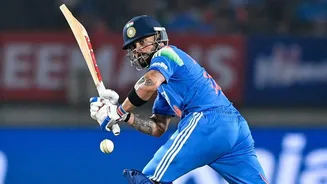
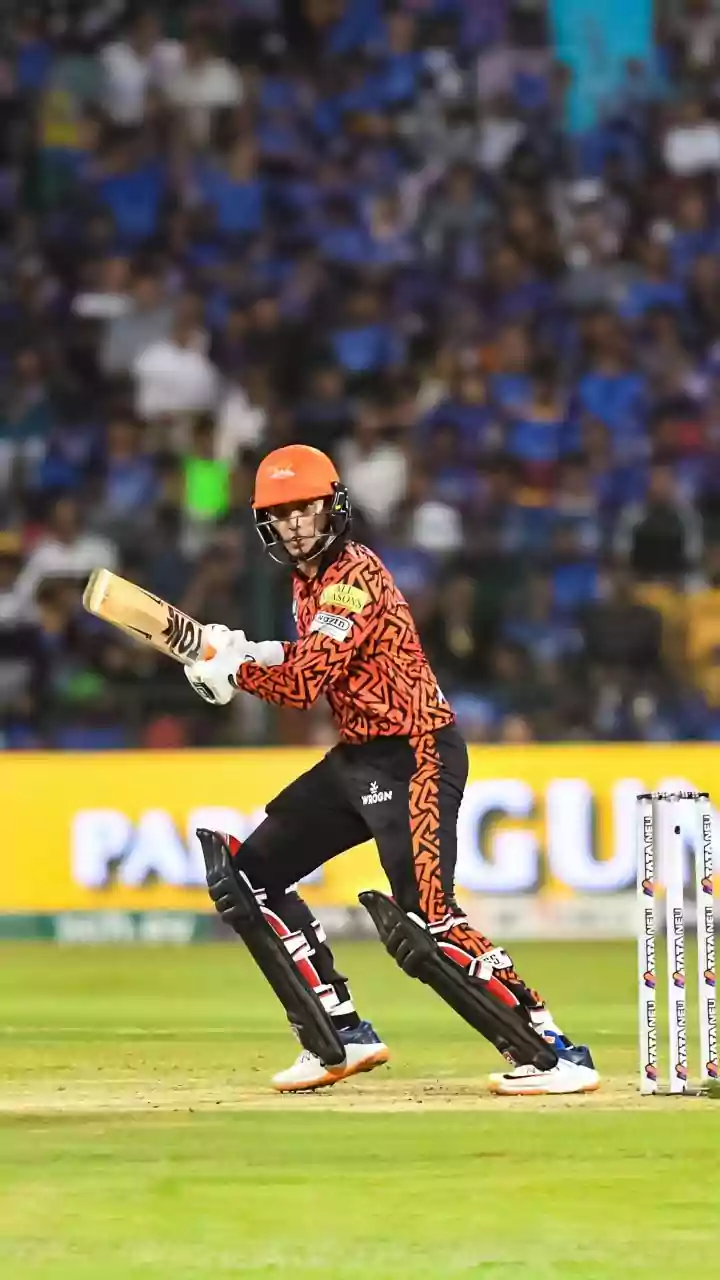
Abhishek's reported desire for leadership isn't without merit. He has captaincy experience leading his state team, Punjab, and has grown into one of the league's most destructive openers, as seen in his stellar performances in recent seasons. However, SRH's management seems to have a different long-term plan. Ishan Kishan, who was the stand-in captain when Cummins was unavailable during the 2026 season, appears to be the franchise's chosen successor. This strategic decision to prefer Kishan has seemingly created a difficult situation, pitting a player's personal ambition against the team's established hierarchy and future vision. The situation is further complicated by the fact that few teams currently have clear captaincy vacancies, making a move for a leadership role a complex proposition.
The Mechanics of a Move
If Abhishek Sharma were to leave SRH, it would likely happen during the pre-auction trade window. The deadline for franchises to submit their lists of retained and released players for the IPL 2027 season is expected in November 2026. Before the mini-auction, which is scheduled for mid-December, teams can engage in trades. These deals can be structured in several ways: a straight cash deal, a player-for-player swap, or a combination of cash and players. Any trade requires the player's consent. This gives Abhishek a significant say in his next destination, should SRH agree to a move. The coming weeks leading up to the retention deadline will be crucial in determining whether the two parties can find a resolution or agree to part ways.
Potential Suitor: Punjab Kings
A return to his home state could be a compelling option. Abhishek has a long history with Punjab cricket and would be a natural fit. Punjab Kings (PBKS) have been mentioned as a team exploring the possibility of bringing him on board. For a franchise that has often struggled for a consistent and explosive Indian opener, Abhishek would be a massive asset. His aggressive style at the top of the order could provide the exact impetus they need in the powerplay. A move to PBKS could offer him a significant role and potentially the leadership opportunities he seeks in the long run.
Potential Suitor: Mumbai Indians
Mumbai Indians (MI) are another major franchise reportedly in the mix. The five-time champions are always on the lookout for top-tier Indian talent, and Abhishek fits that bill perfectly. His left-handed, attacking batting would add a new dimension to their top order. While MI has a settled leadership group, their interest signifies Abhishek's high value in the league. A move to one of the IPL's most successful teams would be a huge step in his career, though it might mean putting his immediate captaincy ambitions on the back burner in exchange for being part of a formidable cricketing setup.
Potential Suitors: Gujarat and Delhi
Gujarat Titans (GT) have also been named as a potential destination. As a relatively new franchise still building its core, GT could see Abhishek as a long-term investment. Another interesting possibility is the Delhi Capitals (DC), primarily due to the presence of his mentor, Yuvraj Singh, in their coaching staff. The chance to work closely with Yuvraj could be a strong pull factor. Both teams could offer him a prominent role as a destructive opener, though the captaincy question would remain a key part of any negotiation.