



Why Cold Brew Is a Game Changer
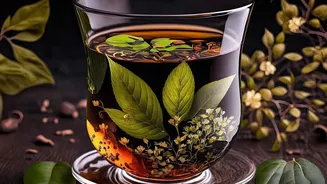
When you brew tea with hot water, the heat quickly extracts flavour compounds, including tannins. Tannins are responsible for the astringent, sometimes bitter bite found in strongly brewed black tea. Cold brewing, which uses time instead of heat, is a much
gentler process. Over several hours in the refrigerator, the tea leaves slowly release their aromatic and sweet notes while leaving most of the bitter tannins behind. The result is a remarkably smooth, clean-tasting infusion that blends seamlessly into other liquids, allowing the delicate notes of both the tea and the base spirit or mixer to shine. This method unlocks a new layer of complexity, turning a simple gin and tonic or a glass of soda water into a craft beverage.
Choosing the Right Tea
Virtually any tea can be cold-brewed, but different types offer unique profiles. For a light, refreshing, and floral addition, consider green or white teas. They pair beautifully with gin, vodka, and light rums. For bolder, maltier notes, black teas like Earl Grey or English Breakfast are excellent choices for infusing whiskey or dark rum. Herbal teas like hibiscus, mint, or chamomile are fantastic for creating vibrant, caffeine-free infusions that can be used in both cocktails and mocktails. A hibiscus tea infusion, for example, can give a tequila-based drink a stunning colour and a tart, fruity base. Don't be afraid to experiment with your favourite blends to discover surprising new combinations.
The Basic Infusion Method
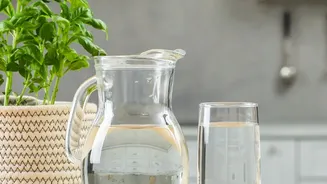
The process itself is wonderfully simple. As a general rule, use about 1 to 1.5 tablespoons of loose-leaf tea for every cup of liquid you plan to infuse. This is roughly double the amount you would use for a hot brew because the cold water is a less efficient solvent. Place your tea leaves in a clean, sterilized glass jar or pitcher. Pour your chosen liquid—whether it's a spirit like gin or a non-alcoholic base like water—over the leaves, stir gently to ensure they are all submerged, and cover the container. Place it in the refrigerator and let it steep. The ideal time varies by tea type, but a good starting point is 4-8 hours for green and white teas, and 8-12 hours for black and herbal teas. Taste it periodically until it reaches your desired strength, then strain out the leaves using a fine-mesh sieve. Your infusion is now ready to use.
Inspiration for Flavour Pairings
The possibilities for creative pairings are nearly endless. The botanical notes in gin are a natural match for the citrusy bergamot in Earl Grey tea or the delicate floral notes of jasmine green tea. A spicy chai tea infusion can create a fantastic twist on a rum punch, while a smoky Lapsang Souchong adds incredible depth to a whiskey-based cocktail. For non-alcoholic options, try cold-brewing a fruity herbal tea in water and topping it with sparkling water for a refreshing spritz. A chamomile-infused simple syrup can add a calming, floral sweetness to a vodka soda or a simple lemonade.
The Crucial Steps for Safety
While infusing is easy, food safety is paramount. Always start by sterilizing your jars and any utensils that will touch the liquid; boiling them for 10 minutes is an effective method. When creating any homemade infusion, there is a low but serious risk of harmful bacteria, especially Clostridium botulinum, which thrives in low-oxygen environments. Because of this, it is critical to always refrigerate your cold brew tea infusions, both during the steeping process and for storage. To be extra safe, experts advise discarding any homemade infusions after a few days—a four-day limit is a good rule of thumb. Never let your infusion sit at room temperature for long periods. By following these simple hygiene and storage rules, you can ensure your creative concoctions are as safe as they are delicious.