



Alleppey: The Venice of the East Reimagined
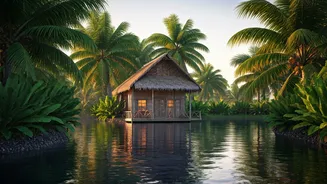
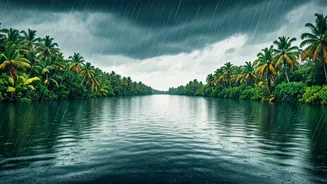
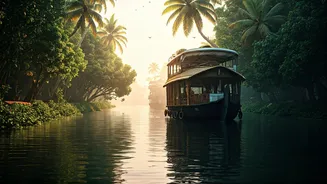
Often the first name that comes to mind, Alappuzha (Alleppey) during the monsoon is a spectacle of nature's drama. The familiar image of houseboats gliding through palm-fringed canals takes on a mystical quality. The rain washes the world clean, leaving
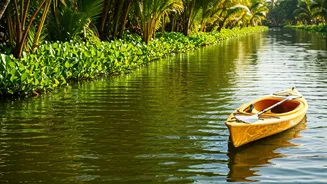
behind a landscape saturated with colour—the deep green of the foliage, the rich brown of the swollen waterways, and the soft grey of the coconut trunks. A journey on a 'kettuvallam' (houseboat) becomes an immersive experience. The rhythmic drumming of rain on the roof, the scent of wet earth, and the sight of local life adapting to the season—children splashing in the overflowing channels, vendors navigating their canoes with practiced ease—all contribute to a feeling of being inside a living painting. The famous Nehru Trophy Snake Boat Race, held in August, adds a surge of thrilling energy to the otherwise tranquil atmosphere.
Kumarakom: A Serene Bird Watcher's Paradise
If Alleppey is the bustling heart of the backwaters, Kumarakom is its serene soul. Nestled on the banks of the vast Vembanad Lake, this cluster of islands becomes exceptionally lush and quiet during the monsoon. The rains swell the lake and feed the mangroves, creating a perfect habitat for avian life. The Kumarakom Bird Sanctuary is at its most active, with resident water birds like cormorants, egrets, and herons putting on a daily show. The experience here is less about constant movement and more about peaceful observation. Imagine waking up in a lakeside resort to the sound of a light drizzle, watching the mist rise off the water, and spending your day with a book, a cup of hot tea, and the endless expanse of green and blue before you. The monsoon is also considered the best time for Ayurvedic treatments, as the cool, moist air is believed to help the body respond better to therapies.
Kuttanad: The Submerged Emerald Bowl
For a truly unique and 'unreal' backwater experience, Kuttanad is unparalleled. This is one of the few places in the world where farming is done below sea level. During the monsoon, the region transforms into a vast, watery expanse, where the line between paddy field and canal blurs. The vibrant green of the young rice shoots poking through the water creates a mesmerising, almost surreal, mosaic. Navigating Kuttanad's waterways during this time feels like floating through an immense garden. You get a profound sense of the intricate relationship between the people and the water that defines this region. Seeing farmers working in chest-deep water and families using canoes for their daily commute offers a humbling glimpse into a resilient way of life, all set against a backdrop of unimaginable greenery.
Ashtamudi Lake: The Untouched Octopus
Named for its eight 'arms' or channels ('Ashta' meaning eight and 'mudi' meaning branch), Ashtamudi Lake in Kollam district offers a more tranquil and less-commercialised backwater experience. It's a designated Ramsar site, recognised for its unique wetland ecosystem. During the monsoon, the lake's network of canals, islands, and estuaries becomes a thriving, verdant wilderness. The journey from Kollam to Alappuzha through these backwaters is one of the longest and most scenic in Kerala. You’ll pass by traditional 'Cheena Vala' (Chinese fishing nets) silhouetted against dramatic monsoon skies and quiet villages where life moves at an unhurried pace. For those looking to escape the crowds and witness the raw, untamed beauty of the backwaters refreshed by the rains, Ashtamudi is the perfect, off-the-beaten-path destination.