


The Nutritional Power of Millets
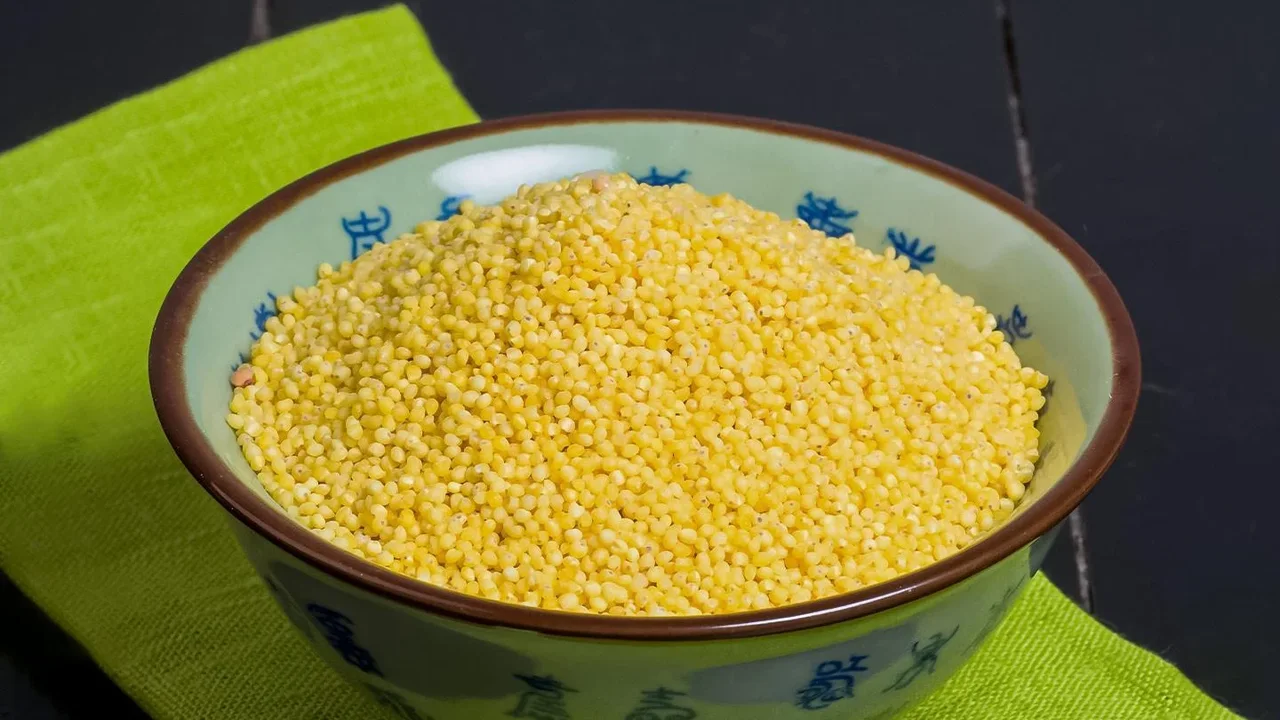
Before they were trendy superfoods, ragi (finger millet) and bajra (pearl millet) were simply food—the foundation of meals across India. Their resurgence is thanks to a growing awareness of their robust nutritional profile. Both are naturally gluten-free
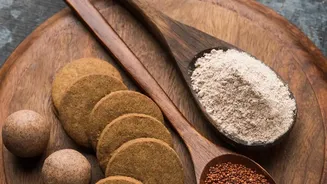
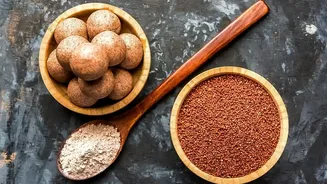
and packed with dietary fiber. Ragi is famously rich in calcium, while bajra is a great source of iron and protein. This high fiber content is crucial for digestive health, helping to prevent constipation and keeping you feeling full longer, which can aid in weight management. Their low glycemic index also means they release energy slowly, preventing the sugar crashes associated with refined grains. By incorporating them into your diet, you're not just adding fiber; you're adding a host of essential minerals and antioxidants.
Upgrade Your Breakfast
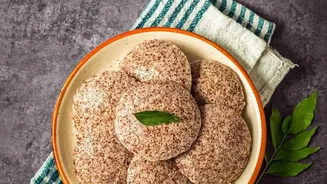
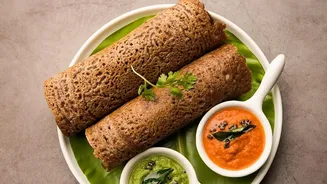
The easiest way to start is with your first meal of the day. Instead of a simple porridge, which remains a great option, you can diversify. Try making instant ragi or bajra dosas by creating a batter with the flour and curd. You can also make a multi-millet cheela by combining ragi and bajra flours with besan for a savoury, protein-packed pancake. Another simple swap is to replace some of the semolina in your upma with whole millets for a more textured and nutritious dish. For those who enjoy baking, adding a quarter cup of ragi or bajra flour to your regular pancake or muffin mix can boost its fiber content without drastically changing the taste.
Reimagining Rotis, Rice, and Curries
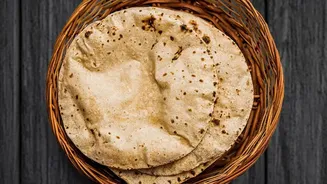
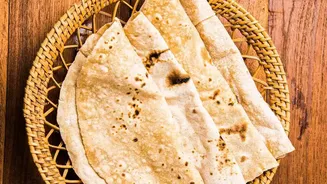
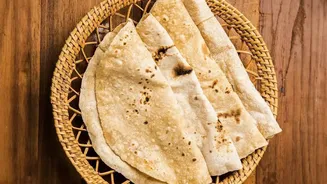
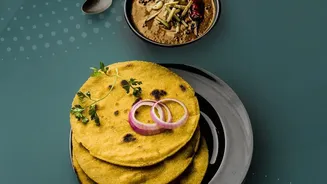
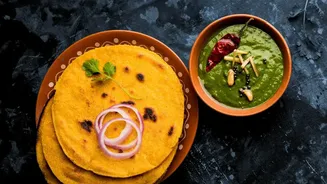
You don't need to give up your favourite lunch and dinner staples. A gradual approach works best. Start by blending millet flour with your regular whole wheat atta. An 80:20 ratio of wheat to millet flour is a great starting point for rotis, as it keeps the texture familiar while adding nutrients. For softer rotis, use warm water to knead the dough and let it rest for about 15-20 minutes. You can also substitute white rice with whole millets like bajra in dishes like khichdi or pulao for a heartier, more fibrous meal. Furthermore, millet flours act as excellent natural thickeners for soups and curries, adding a creamy consistency and a nutritional boost.
Smarter Snacking and Baking
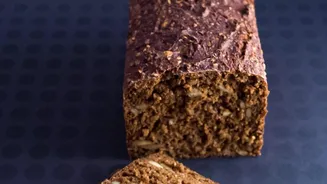
Millets are incredibly versatile and extend well beyond main meals into snacks and desserts. Home bakers are now experimenting with ragi and bajra flour to create healthier treats. You can make nutrient-dense cookies, muffins, and even banana bread by substituting a portion of refined flour with millet flour. These flours impart a subtle, nutty flavour that pairs well with sweet ingredients. For savoury snacks, consider making crispy, baked crackers at home. You can also find inspiration in traditional snacks like ragi appalam (papad), which can be roasted for an oil-free crunch. These simple swaps allow you to indulge your snack cravings without compromising on nutrition.
Pro Tips for Perfect Results
Cooking with millets can sometimes be tricky due to their unique properties. Here are a few tips to ensure success. First, millet flours are very absorbent because of their high fiber, so you might need to increase the liquid in your recipes to avoid a dry or dense result. When making a dough for rotis, using hot water is highly recommended as it helps soften the dough and makes it easier to roll. If you're cooking with whole millet grains, soaking them for a few hours can make them easier to digest and reduce cooking time. Lastly, don't be afraid to experiment. Start by substituting about 25% of the regular flour in a recipe with millet flour and see how you like the texture and taste before increasing the ratio.