





The Comfort Factor: More Than Just a Quiet Ride
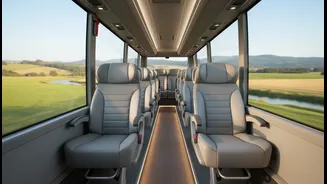
The most immediate difference passengers notice on an electric bus is the silence. The lack of engine vibrations and noise creates a calmer, more relaxing travel environment, making it easier to sleep or work. Operators like Fresh Bus and NeuGo are positioning
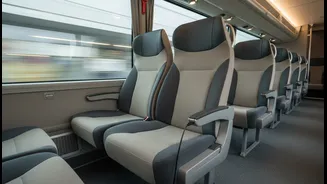
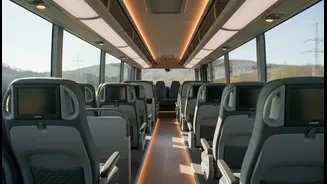
their fleets as a premium experience, offering amenities like comfortable seats with ample legroom, individual charging ports, and clean interiors. Many services also provide extras like water bottles and have hygienic, well-maintained waiting areas. Some premium services, like zingbus Maxx, aim for an airline-like standard with features such as onboard crew, travel kits, and even meals on select routes. However, the experience can be inconsistent. While many buses are new and offer a smooth ride, some passengers have reported issues like thin seats, rattling noises, or bouncy suspension on older vehicles in the fleet.
Charging Stops: A Planned Pause in Your Journey
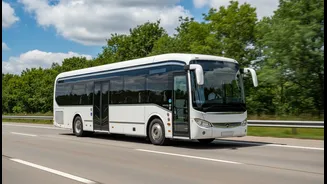
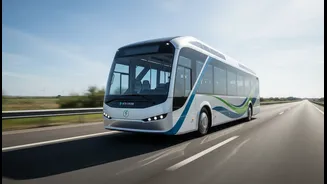
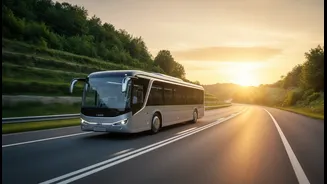
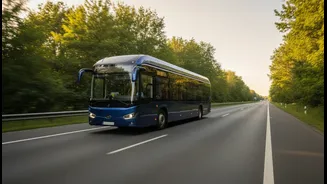
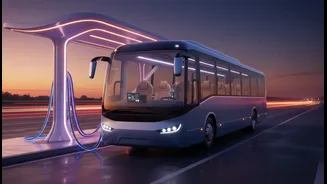
Range anxiety isn't just for car owners. For intercity electric buses, managing battery life is crucial. Most routes are planned to include at least one charging stop. A typical 12-metre electric bus in India can travel up to 250 km on a single charge with the AC on. For a journey like Bangalore to Chennai, this means a planned halt is necessary. These stops are usually scheduled at highway restaurants that have dedicated fast-charging stations, lasting anywhere from 40 minutes to over an hour. While operators often state a 30-minute stop, passengers have reported longer waits. This is a key difference from diesel bus travel and can extend the total journey time. The development of a widespread, reliable highway charging network is still a work in progress in India, which is why operators currently focus on high-density corridors where they can build their own infrastructure.
Punctuality: Are They on Time?
Punctuality is a mixed bag, according to passenger reviews. While many services like Fresh Bus and NueGo are rated well for being on time, delays are a common complaint. Some passengers report buses departing on schedule but experiencing cumulative delays at pickup points, adding significant time to the journey. Other reviews for services like NeuGo frequently mention buses being late, sometimes by 30 to 40 minutes, which can be a major issue for time-sensitive travel. The mandatory charging stops also play a role in overall travel time, which can sometimes make an electric bus journey longer than a comparable trip on a diesel Volvo. As a traveller, it’s wise to factor in a potential buffer for both departure delays and extended charging stops.
Reliability and Routes: A Growing but Concentrated Network
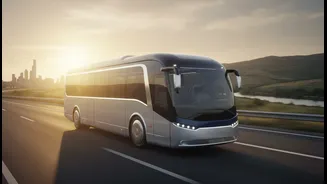
Electric bus services are expanding rapidly, but they are currently concentrated on popular, high-traffic routes primarily in South and West India. Major operators like Fresh Bus, NeuGo, and zingbus connect cities such as Bengaluru, Hyderabad, Chennai, Tirupati, Vijayawada, and Pune. These companies are aggressively adding to their fleets and announcing new routes. However, the reliability of the buses themselves can be a concern. While the technology is improving, breakdowns are not uncommon, especially as fleets age or new buses are introduced. Issues can range from starting trouble and battery problems to malfunctioning air conditioners. Since many operators manage their own maintenance and charging, the quality of service is directly tied to their operational expertise. The industry is still young, and while major players like Olectra, JBM, and Tata Motors are building more advanced buses, the ecosystem is still evolving.