






The party was a blast, but now it's 2 AM. You're home, exhausted yet staring at the ceiling, your brain refusing to switch off. It’s a common frustration during festive seasons. This wired-but-tired feeling is often a battle against your own biology.
Why You're Wired but Tired
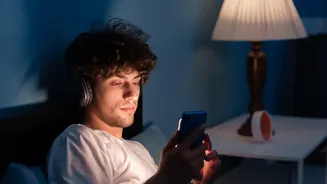
The culprit behind your post-party restlessness is often light, specifically blue light. Our bodies run on an internal 24-hour clock called the circadian rhythm, which tells us when to feel sleepy and when to be alert. This clock's main cue is light. When your eyes are exposed to light at night, it sends a signal to your brain to suppress the production of melatonin, the hormone that makes you feel drowsy. Blue light, which is emitted in large amounts by our digital screens and modern LED lighting, is particularly potent at tricking your brain into thinking it's still daytime. So, after spending hours under bright festive lights or scrolling through photos on your phone post-celebration, your melatonin faucet is effectively turned off, leaving you feeling alert when you should be winding down for sleep.
Enter the Orange-Tinted Solution
This is where blue light blocking glasses come in. These spectacles have specially crafted lenses designed to filter out a significant portion of blue (and sometimes green) wavelengths of light. The idea is simple: if you can prevent this stimulating light from reaching your eyes in the hours before bed, you can protect your body's natural melatonin production, allowing you to feel sleepy at the right time. While some blue light glasses have clear lenses that filter a small amount of blue light, experts suggest that for sleep purposes, amber, orange, or red-tinted lenses are far more effective. These darker lenses block a wider spectrum of the light that interferes with our sleep-wake cycle.
The Science: Do They Really Work?
The big question is whether they live up to the hype. The evidence is promising, but mixed. Several studies have shown that when people wear blue light blocking glasses in the evening, it can preserve their natural melatonin production and help them fall asleep faster, especially those with diagnosed sleep disorders or disrupted schedules like shift workers. Some people report subjectively better sleep, feeling that they fall asleep quicker and wake up less during the night. However, other large-scale reviews conclude there isn't yet high-certainty evidence that they provide a significant benefit for the general population. Experts agree they don't seem to have any downsides for sleep, so trying them as part of a healthy bedtime routine is low-risk. Think of them as one tool in your sleep toolkit, not a magic cure.
A Smart Post-Party Sleep Strategy
Relying on glasses alone is not enough. The best approach to ensuring good sleep after a late night is a holistic one. If you decide to use blue light blockers, put them on for the last one to two hours before your intended bedtime. This is particularly useful if you are watching TV or using your phone to wind down. But don't forget other crucial sleep hygiene practices. After returning from a party, dim the lights in your home as much as possible. Avoid heavy meals, caffeine, and alcohol right before bed, as they can disrupt sleep quality. Try to establish a simple, relaxing pre_sleep ritual, even if it's just for 15 minutes. This could include some gentle stretching, listening to calm music, or practicing deep breathing to signal to your body and mind that the party is over and it's time to rest.