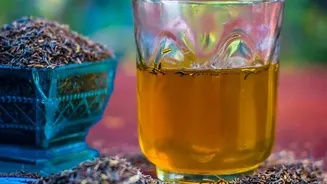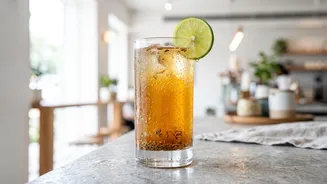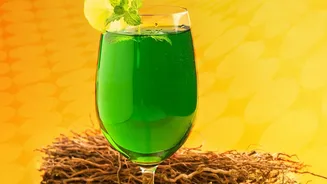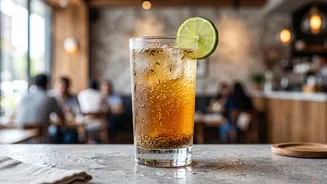





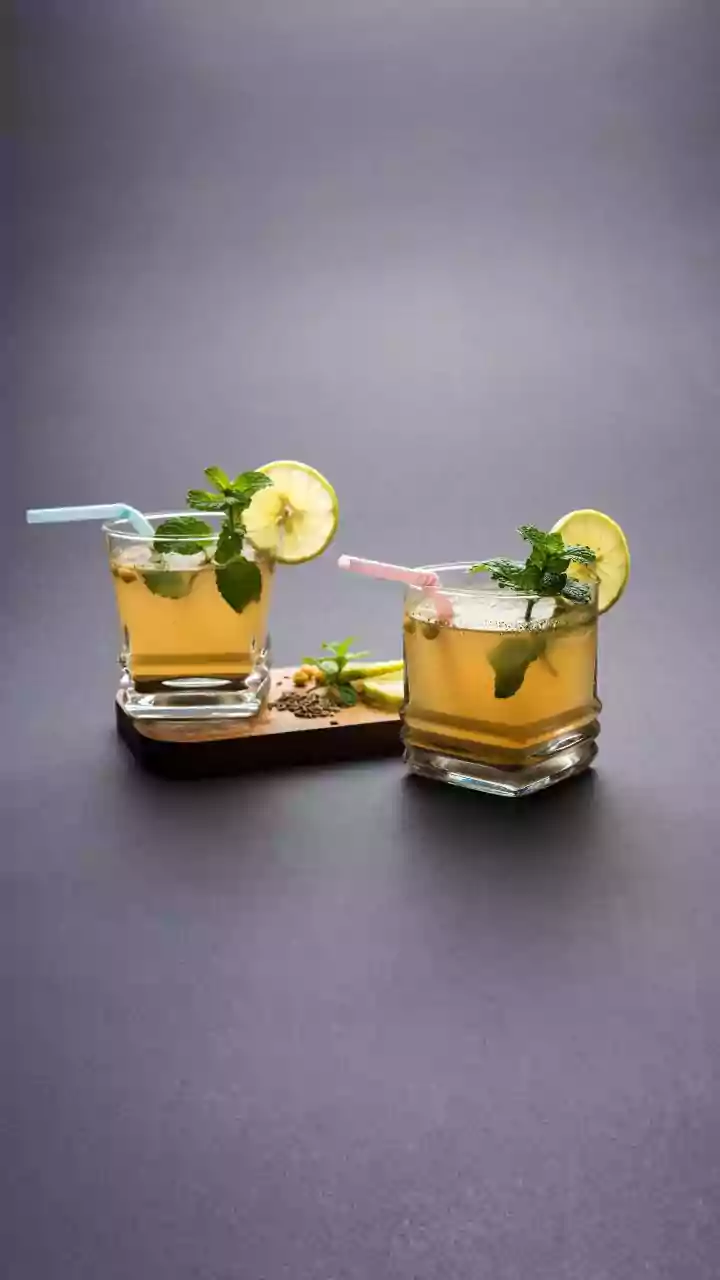
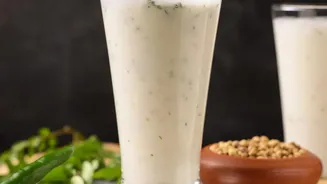
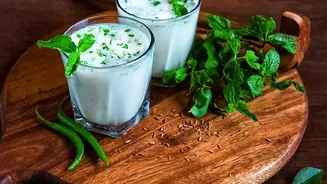
For decades, the choice for a fizzy drink in India was simple: a handful of global cola brands dominated the market. But a quiet revolution is bubbling up, led by a flavour deeply rooted in Indian kitchens—jeera, or cumin.
A Shift in the Beverage Aisle
Walk down any beverage aisle
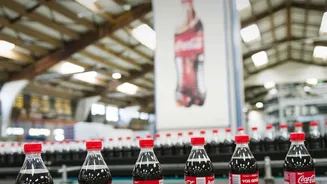
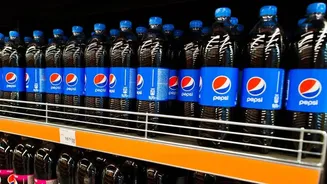
today, and you'll see a significant change. Alongside the familiar red and blue cans of international giants, there's a growing space for local, ethnic beverages. Among these, jeera soda has emerged as a formidable contender. What was once a humble drink sold at roadside stalls is now a packaged, branded product challenging the status quo. According to a recent report, the market share of ethnic beverages in India's carbonated soft drinks market doubled to around 15% by late 2025, while the combined share of Coca-Cola and PepsiCo saw a decline from approximately 93% to 85%. This isn't just a niche trend; it's a market-wide disruption, with some analysts calling it a 'Jio moment' for the beverage industry, referencing the tectonic shift in the telecom sector.
The Rise of 'Desi' Flavours
The growing popularity of jeera soda is part of a larger movement towards authentic, homegrown tastes. Consumers, particularly in Tier 2 and Tier 3 cities, are increasingly choosing products that resonate with their cultural identity and personal memories. Flavours like aam panna, nimbu pani, and jeera are not just refreshing; they're comforting and familiar. Brands have successfully tapped into this sentiment. Lahori Zeera, a brand that started as a kitchen experiment in Punjab in 2017, is now a major player expected to generate revenues of up to $120 million this year. Its success story, built on the humble Rs. 10 bottle, has highlighted the immense potential of the mass market. The tagline 'Apna Desi Thanda' ('India's own cold drink') perfectly captures the essence of this consumer shift.
Not Just a Passing Trend
The jeera soda wave is being powered by both new and old players. Brands like Jeeru by Xotik Frujus, and even billionaire Mukesh Ambani’s Campa Jeera, have entered the fray. House of Bindu, which launched its cumin soda nearly 25 years ago, saw flat sales for years before a recent surge. A director at the company noted that jeera soda is now their fastest-growing category, with its contribution to revenue doubling from 20% to 40% in just five years. Even legacy brands are taking notice. Parle Agro, after selling its jeera soda 'Dhishoom' exclusively in rural markets since 2012, launched it nationwide last year. The demand is palpable, with one delivery company reporting a staggering 900% jump in online orders for these drinks over the summer.
A Perceived Healthier Alternative
Another key driver of jeera soda's popularity is its perception as a healthier alternative to sugary colas. Cumin has long been a staple in Indian traditional medicine and home remedies, valued for its digestive properties. Many associate jeera-based drinks with aiding digestion, reducing bloating, and providing a cooling effect, making them a popular post-meal beverage. While a packaged soda is not a health tonic, its functional association gives it an edge. Unlike colas, which are often seen as just empty calories, jeera soda offers a 'purpose' along with refreshment. Responding to this wellness trend, some brands like House of Bindu have already launched zero-sugar versions to cater to health-conscious consumers.
The Road Ahead for Fizzy Drinks
The rise of jeera soda signifies a maturing Indian market where local tastes can successfully compete with global giants. It demonstrates that consumers are not just looking for an imitation of Western products but are embracing their own heritage with pride. However, the path forward isn't without challenges. Thin profit margins, especially at the crucial Rs. 10 price point, and rising raw material costs are significant hurdles. Furthermore, the big players are not standing still. Coca-Cola, which acquired the jeera brand Rimzim in the 1990s, has reportedly doubled its production, signaling its intent to compete seriously in this space. Despite this, the demand for jeera soda continues to outstrip supply for many homegrown brands, indicating that this flavour is here to stay.