

A New Knead for Tradition
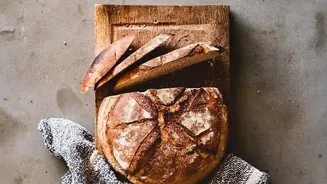
For decades, bread in India largely meant commercially produced white, brown, or atta loaves. But a new generation of bakers is looking beyond European traditions and turning inward, to the subcontinent's own rich agricultural tapestry. They are crafting
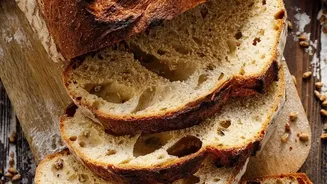
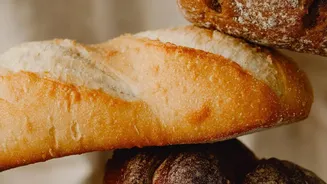
loaves that are not just bread, but a celebration of India's diverse harvests. This movement goes beyond simple flavouring; it's about embedding a sense of place into every slice. From urban centres like Bengaluru and Mumbai to the coastal state of Goa, small-batch bakeries are becoming culinary storytellers, using sourdough starters and long fermentation processes to create breads with unique character and nutritional value.
The Flavours of the Season
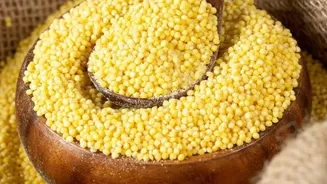
The stars of this trend are the ingredients themselves. During the hot summer months, bakeries might feature sourdoughs infused with the sweetness of ripe mangoes or the tartness of jamun. Bakers are experimenting with fresh and dried fruits, adding them during the lamination and folding process to create pockets of flavour and moisture. Beyond fruits, there is a significant revival of ancient and local grains. Millets like ragi, bajra, and jowar, once confined to traditional flatbreads, are now lending their earthy, nutty flavours to artisanal loaves and baguettes. Bengaluru's Loafer & Co, for example, has gained acclaim for its innovative use of grains like black rice and buckwheat in its bread. These ingredients are not just novel additions; they represent a conscious choice to celebrate local produce and offer healthier, more diverse options.
More Than Just a Loaf
The philosophy driving this movement is as important as the final product. For many bakers, using seasonal and local ingredients is a commitment to sustainability. It means supporting local farmers, reducing food miles, and operating in harmony with the natural cycles of agriculture. This approach resonates deeply with a growing number of consumers who are more conscious about where their food comes from. By choosing to bake with what's available nearby, these bakeries are fostering a more resilient and responsible food ecosystem. This shift is also health-driven, as consumers move away from mass-produced products laden with preservatives and refined flours, seeking out the wholesome, chemical-free goodness of handcrafted bread.
The Rise of the Indian Palate
This baking revolution would not be possible without a parallel evolution in consumer taste. The Indian palate is becoming more adventurous, curious, and discerning. Exposure to global food trends, combined with a renewed pride in local culinary heritage, has created the perfect environment for these innovative breads to flourish. What started in niche farmers' markets and home kitchens has now entered the mainstream. Consumers are no longer just buying a staple food; they are purchasing an experience. They are willing to pay a premium for bread that offers superior flavour, quality ingredients, and a connection to a larger story of craftsmanship and culture. This isn't just about a change in diet; it's a cultural shift that places value on authenticity and mindful consumption.