







The Backlash to 'Always On'
For years, the design mantra was ‘open’. Open-plan homes were sold as hubs for family connection, and open-plan offices were championed for fostering collaboration. The reality, however, has proven more complicated. For many, these spaces have become
arenas of constant interruption and sensory overload. The shift to work-from-home blurred boundaries even further, turning our living rooms into boardrooms and leaving us with no place to truly switch off. This relentless exposure to noise and activity has created a deep, collective craving for the opposite: privacy, solitude, and psychological safety. The ‘quiet nook’ is the direct answer to this craving. It’s a deliberate move away from the ethos of forced collaboration and constant availability, and a step toward reclaiming personal space and mental peace.
The Psychology of a Personal 'Reset'
Why is a small, quiet corner so powerful? The answer lies in our neurobiology. Our brains are not designed for the level of sustained stimulation that modern life demands. Constant noise and interruptions trigger our fight-or-flight response, leading to heightened stress, anxiety, and decision fatigue. A quiet nook functions as a ‘reset’ button. By physically removing yourself to a designated calm space, you signal to your brain that it’s safe to power down. This practice of taking ‘micro-breaks’ in a controlled, low-stimulus environment has been shown to improve focus, boost creativity, and regulate emotions. It’s not about escaping life, but about creating the conditions to better engage with it. It’s a space where you are not performing, producing, or responding—you are simply being.
What Defines a Quiet Nook?
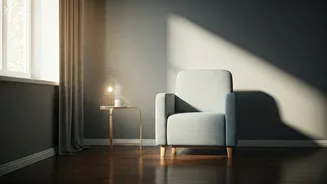
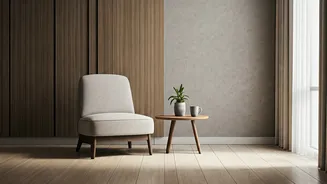
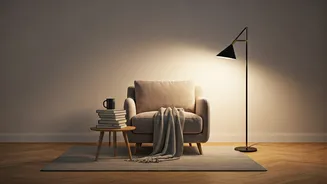
A quiet nook isn’t defined by square footage, but by intention. It’s a psychologically distinct area dedicated to rest and reflection. It can be a comfortable armchair tucked into a bedroom corner, a small section of a balcony with a few plants, or even a converted closet. The key ingredients are comfort, quiet, and a lack of digital intrusion. Think soft textures like a cosy blanket or cushions, warm, gentle lighting from a floor lamp instead of harsh overheads, and a strict ‘no-phone’ rule. The space should appeal to your senses in a calming way—perhaps with a favourite scented candle or a small speaker for gentle music. The goal is to create a sanctuary that feels entirely your own, a bubble of peace within the larger, often chaotic, home environment.
Carving Out Your Own Sanctuary
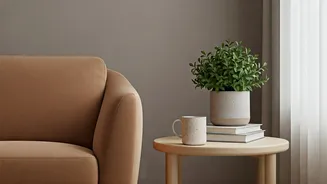
Creating a nook is an accessible form of self-care, even in smaller Indian homes where personal space is a luxury. Look for underutilised areas. Is there an awkward corner that currently just collects clutter? Claim it. A window sill can be widened with a custom plank and cushions to become a perfect perch. A simple screen or a curtain can be used to visually partition a section of a larger room, instantly creating a sense of enclosure and privacy. On a covered balcony, a single comfortable chair and a small side table can become an oasis. The most important step is to communicate its purpose to family or flatmates. Frame it not as a rejection of them, but as a space you need to recharge so you can be more present when you’re together. It’s your personal charging station.
More Than Just a Reading Spot
While a ‘reading nook’ is a classic concept, the modern reset space is more versatile. It’s a place for any activity that calms your mind. This could be journaling, sketching, listening to a full album without interruption, meditating, or simply sitting and staring out the window. The crucial element is that the activity is analogue and intentional. It’s about single-tasking in a world that glorifies multitasking. By dedicating a physical space to these restorative practices, you are more likely to make them a regular habit. The nook becomes a visual cue, a gentle reminder to take a moment for yourself amidst the daily rush. It transforms self-care from an abstract idea into a tangible, inviting destination within your own home.