





Understanding Festival Special Trains
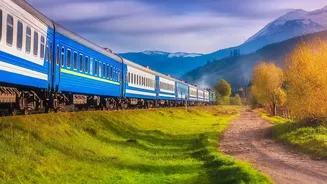
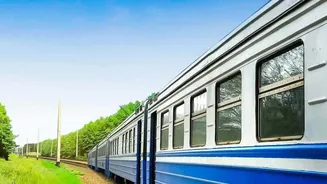
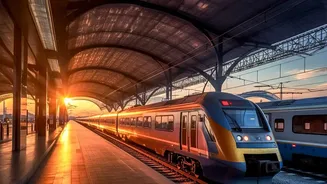
Every year, to manage the immense surge of passengers during festivals like Diwali, Chhath Puja, and Dussehra, Indian Railways operates hundreds of 'Special' trains. These are additional services deployed on high-demand routes, such as from metropolitan
hubs like Mumbai, Delhi, and Bengaluru to destinations in Uttar Pradesh, Bihar, West Bengal, and Kerala. These trains are identifiable by their numbers, which typically start with a '0'. They run for a limited period and may have special fares. Announcements for these trains are often made in phases, so it's wise to keep checking for updates as the festival dates approach. For the 2026 season, various zones like Central, Northern, and Southern Railways have already announced services starting from late September and running through October and November.
Your Digital Toolkit for Finding and Booking
Gone are the days of solely relying on station enquiry counters. Your primary tools are now digital. The official IRCTC website and its 'Rail Connect' mobile app are the only authorized platforms for booking tickets for these special trains. For information and real-time tracking, the National Train Enquiry System (NTES) is indispensable. The NTES app and website provide the most accurate, official data on train schedules, live running status, platform numbers, and any cancellations or diversions—information that comes directly from the railway's control system. Familiarizing yourself with these platforms before booking opens is a crucial first step.
The Art of Securing a Ticket
Booking festival special trains is a race against time. Tickets on popular routes are often sold out within minutes, if not seconds. Bookings usually open on specific dates announced by the railways, often at 8 AM. To improve your chances, prepare in advance. Create an IRCTC account and save passenger details for all family members in the 'Master List' feature. This allows you to auto-fill details quickly during checkout. Ensure you have a stable internet connection and use faster payment methods like UPI or the IRCTC eWallet to avoid transaction failures. Being flexible with travel dates by a day or two, or considering boarding from a nearby, less-crowded station, can also significantly increase your chances of finding a confirmed berth.
Navigating the Waitlist Maze
Even with the best planning, you might end up with a waitlisted (WL) ticket. It's essential to understand what happens next. An e-ticket that remains fully waitlisted after the final chart is prepared (usually 4-8 hours before departure) is automatically cancelled, and a refund is processed. You cannot legally board the train with such a ticket. However, a ticket with a Reservation Against Cancellation (RAC) status allows you to board the train and guarantees a seat, though it might be a shared one initially. Keep tracking your PNR status regularly on the IRCTC or NTES app. As a backup, you can also opt for the VIKALP scheme while booking, which may allot you a confirmed berth in an alternate train on the same route if seats are available.
Planning for a Comfortable Family Journey
Once tickets are booked, focus on the journey itself. For long-distance travel with family, especially children and elders, comfort is key. Pack a separate bag with essentials for the journey: snacks, water bottles, a first-aid kit, wet wipes, and a power bank. When booking, try to select lower berths for senior citizens, as they are easier to access. To keep children engaged, prepare an 'activity kit' with coloring books, simple games, or their favorite storybooks to minimize screen time. Secure your luggage with a chain and lock, especially during overnight travel. A well-planned journey ensures the holiday begins the moment you board the train, not just when you arrive at your destination.