



1. Satellite Data Analysts
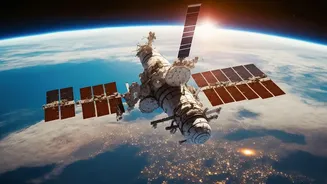
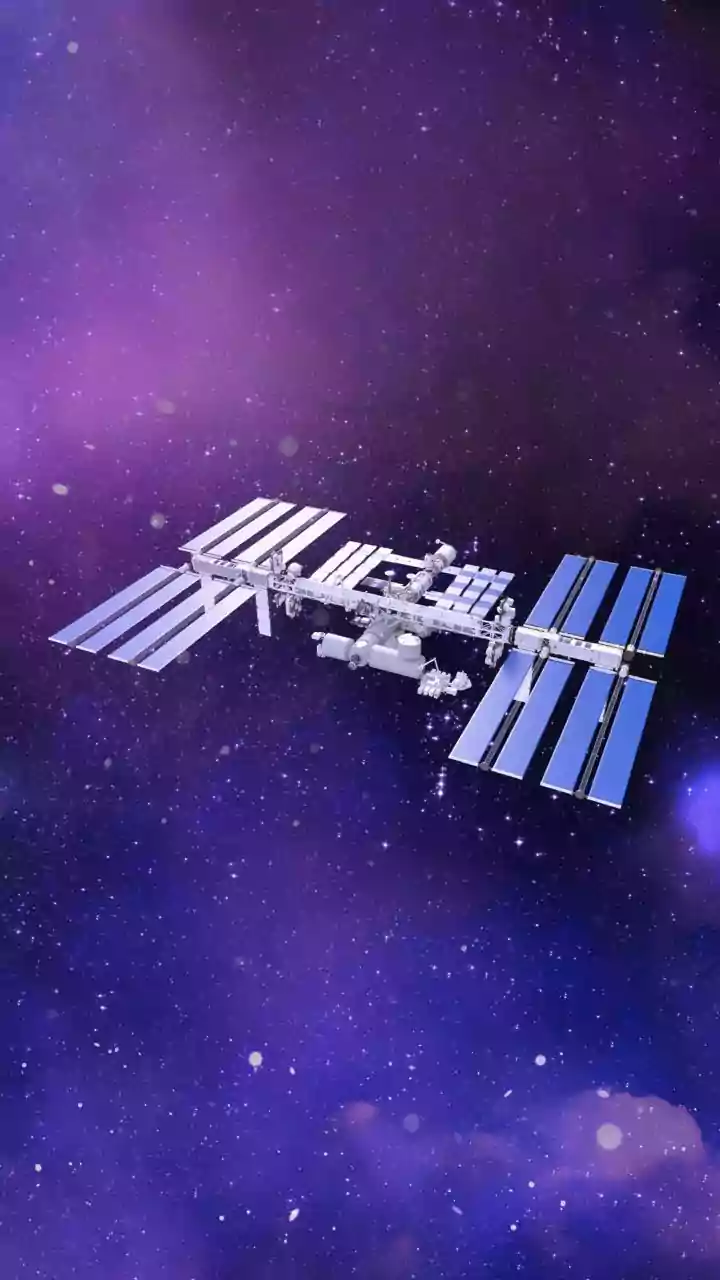
Every satellite orbiting Earth is a powerful data collection tool. As India's private satellite constellations grow, so does the torrent of information they gather. This data, however, is raw and needs skilled professionals to turn it into actionable
insights. Satellite Data Analysts and Remote Sensing Experts are becoming critical hires for companies in agriculture, urban planning, insurance, and climate monitoring. These experts interpret satellite imagery and signals to forecast crop yields, map urban sprawl, assess damage after natural disasters for insurance claims, and track environmental changes. Companies like SatSure and Pixxel are already building products that rely on this expertise, creating demand for professionals who can blend data science skills with domain knowledge in specific industries.
2. Space Law and Policy Experts
As the space above Earth gets more crowded with commercial satellites and activities, the need for rules and regulations is exploding. Space Lawyers and Policy Experts are no longer a niche speciality but a vital part of the new space ecosystem. These professionals help private companies navigate the complex web of international space treaties, national regulations, and licensing requirements overseen by bodies like IN-SPACe (Indian National Space Promotion and Authorisation Centre). They handle everything from securing launch permits and insuring multi-crore satellites to advising on liability for space debris and managing disputes over orbital slots. As private investment pours in, legal experts are essential to draft contracts, manage intellectual property, and ensure compliance, making this a high-growth field for non-engineers.
3. Launch Vehicle and Satellite Manufacturing Specialists
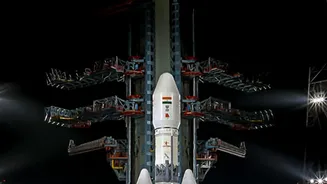
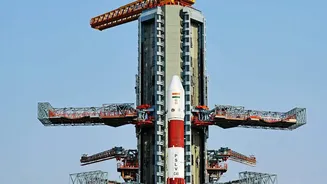
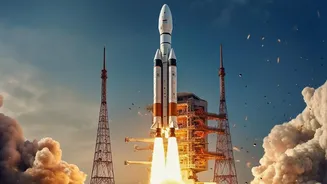
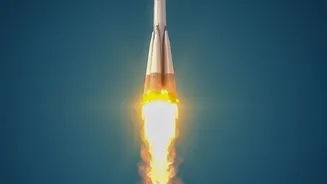
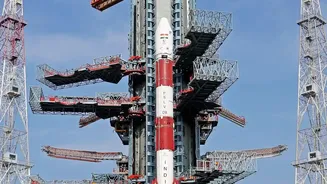
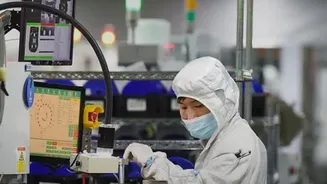
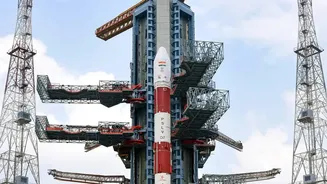
While ISRO has long been the sole entity building and launching rockets in India, the private sector is now stepping up. Companies like Skyroot Aerospace and Agnikul Cosmos are developing their own launch vehicles, creating a new wave of manufacturing jobs. This goes far beyond just assembling the final rocket. It involves a vast supply chain of specialists in propulsion systems, avionics, 3D printing for components, and advanced materials science. Similarly, satellite manufacturing is no longer a government monopoly. Private firms like Dhruva Space are building satellites for various applications, requiring skills in systems engineering, payload design, and radio-frequency communications. This shift is creating an entire industrial ecosystem, from large-scale factories to specialised component suppliers.
4. Aerospace Software and AI Engineers
Modern spacecraft are as much about software as they are about hardware. Aerospace Software Engineers are in high demand to develop the complex systems that control everything from a rocket's flight path to a satellite's autonomous operations in orbit. This includes writing on-board flight software, mission-planning algorithms, and ground control systems. The role is becoming even more critical with the integration of Artificial Intelligence (AI) and Machine Learning (ML). AI is used for autonomous navigation, processing vast amounts of satellite data on the fly, and even predicting potential system failures before they happen. Professionals with strong coding skills in languages like Python and C++, combined with an understanding of embedded systems, are finding lucrative opportunities in this fast-growing intersection of space and software.
5. Space Debris and Situational Awareness Experts
With thousands of active satellites and countless pieces of defunct space junk orbiting the Earth, managing traffic and avoiding collisions has become a serious concern. This has given rise to the field of Space Debris Management. Startups like Digantara are focused on space situational awareness, developing technologies to track objects in orbit and provide collision warnings. This requires specialists who can model orbital mechanics, analyze tracking data, and develop systems to mitigate the risk of collisions. As more private companies launch their own constellations, the need for these services will only grow, creating roles for orbital analysts, sensor experts, and policy advisors focused on keeping space safe and sustainable for everyone.