







The Booming Business of Sleep
The market for sleep technology is expanding at a remarkable rate. The global sleep tech market was valued at over USD 29 billion in 2025 and is projected to grow to more than USD 150 billion by 2035. This growth is fueled by our collective anxiety about
sleep deprivation and a growing awareness of its impact on our health. Wearable devices like smartwatches and rings are leading the charge, accounting for a majority of the market share. These gadgets promise to monitor everything from how long we sleep to the quality of that sleep, breaking it down into stages like light, deep, and REM.
What These Tools Promise
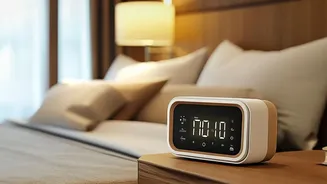
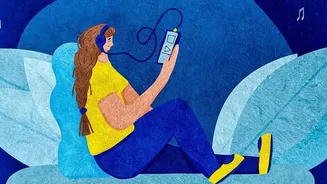
At their core, most consumer sleep trackers use sensors to monitor movement and, increasingly, heart rate. An app on your smartphone then interprets this data to estimate when you fall asleep, when you wake up, and how much time you spend in different sleep stages. The appeal is obvious: they offer a seemingly scientific window into a process that is otherwise a mystery. Many apps also offer features like smart alarms that wake you during a light sleep phase, guided meditations, and white noise to help you drift off. The ultimate promise is that by quantifying your sleep, you can understand it, and therefore improve it.
The Doctor's View on Accuracy
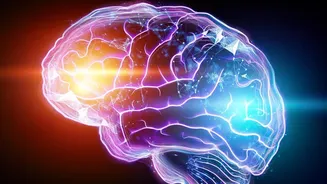
This is where the context becomes crucial. While many trackers are reasonably good at telling the difference between being asleep and being awake, their ability to accurately define sleep stages is limited. The gold standard for sleep analysis is a clinical test called polysomnography (PSG), which involves monitoring brain waves (EEG), eye movements, and breathing in a lab. Consumer devices, which primarily rely on motion and heart rate, simply cannot capture this level of detail. Studies have shown that the accuracy of these devices in staging sleep can vary significantly. Because the algorithms companies use are often proprietary, it's difficult for scientists to independently verify their claims. Experts caution that these tools are not medical devices and should not be used to self-diagnose conditions like insomnia or sleep apnea.
The Risk of 'Orthosomnia'
There's a potential psychological downside to all this data: an unhealthy obsession with achieving perfect sleep scores. Researchers have coined the term "orthosomnia”—meaning a fixation on correct sleep—to describe this phenomenon. People experiencing orthosomnia can become so anxious about their sleep data that it actually contributes to insomnia. They may trust the data from their device more than how they actually feel, spending excessive time in bed trying to improve their scores, which can worsen sleep quality. This is particularly a risk for individuals with perfectionistic tendencies or pre-existing anxiety.
Making Tech Work for Your Sleep
Despite the limitations, sleep trackers are not useless. The key is to see them as directional guides rather than precise diagnostic tools. They can be excellent for establishing routines and building awareness around your sleep habits. For instance, a tracker can help you maintain a consistent bedtime and wake-up time, or show you how alcohol or late-night meals affect your rest. Instead of obsessing over nightly scores for deep or REM sleep, focus on long-term trends. Are you generally getting the 7-9 hours recommended for adults? Are you waking up frequently? This kind of pattern recognition is where the technology provides real value.