
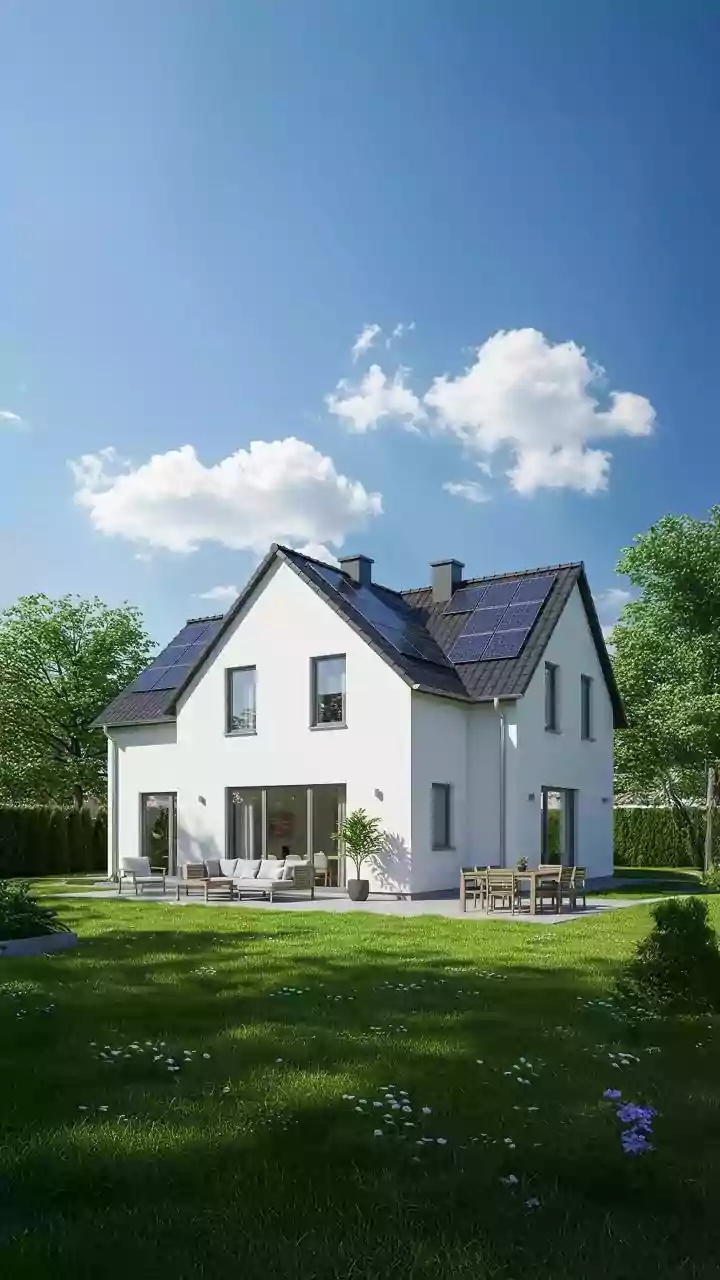




What is a Cool Roof?
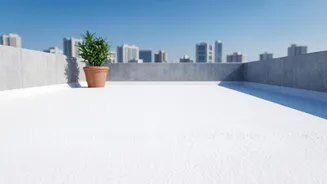
A cool roof is not just a coat of white paint; it's a roofing system designed to reflect more sunlight and absorb less heat than a standard dark-coloured roof. The science behind it relies on two key properties: high solar reflectance (the ability to reflect the sun's
rays) and high thermal emittance (the ability to radiate away absorbed heat). While a typical dark roof can get dangerously hot, reaching temperatures well over 65°C in the sun, a cool roof stays significantly cooler. This simple difference prevents a massive amount of heat from transferring into the building below, keeping indoor spaces more comfortable.
Can It Really Lower Temperatures by 5 Degrees?
The claim of a five-degree drop is not an exaggeration; in many cases, it's a conservative estimate. Studies and real-world applications across India have shown that cool roofs can lower indoor temperatures by a significant margin, typically between 2°C and 5°C. Some reports indicate that under peak sun, the roof's surface temperature can be reduced by as much as 20-30°C. This temperature difference is crucial for homes without air conditioning, making living spaces more habitable during intense heatwaves. For households with AC units, the reduced heat load means the appliance doesn't have to work as hard, leading to substantial energy savings.
The Many Benefits Beyond Comfort
The advantages of a cool roof extend far beyond personal comfort. By lowering indoor temperatures, they directly reduce the need for air conditioning, which can cut electricity bills by 10-30%. On a larger scale, widespread adoption of cool roofs helps combat the 'urban heat island' effect, a phenomenon where cities are significantly warmer than surrounding rural areas due to heat-absorbing surfaces like asphalt and concrete. By reflecting sunlight, cool roofs can help lower a city's ambient temperature, improve air quality by reducing smog formation, and decrease the overall strain on the power grid during peak summer demand. They also protect the roof structure itself from extreme temperature fluctuations, potentially extending its lifespan.
How to Get a Cool Roof: DIY and Professional Options
Implementing a cool roof can be surprisingly accessible. For a low-cost, do-it-yourself approach, the most popular method is applying a special solar reflective paint or coating. These are more advanced than simple white paint, as they are specifically formulated to reflect infrared and UV rays, which are major contributors to heat. When choosing a product, look for its Solar Reflectance Index (SRI) value; a higher number indicates better performance. Traditional methods like applying a lime wash (chuna) mixed with a binder are also effective and have become popular DIY hacks.
For a more durable, long-term solution, you can opt for professionally installed cool roof materials. These include specially designed reflective tiles, metal sheeting, or membrane systems that are integrated into the roof structure itself. While the initial cost is higher, these solutions often offer better longevity and performance. Cities like Ahmedabad and Hyderabad have successfully piloted large-scale cool roof programmes, demonstrating their effectiveness in low-income housing.
What to Consider Before You Begin
Before starting, inspect your roof's condition. The surface must be clean, dry, and free of any major cracks or damage for a coating to adhere properly. For DIY projects, ensure you have the right tools, such as rollers and brushes, and take necessary safety precautions when working at a height. For coatings, applying two coats is generally recommended for even coverage and optimal performance. Consider the material of your existing roof—whether concrete, metal, or asbestos—as some primers or products may be better suited than others. Several state governments and municipalities are now promoting cool roofs through policies and awareness campaigns, so it's worth checking for any local initiatives or recommended products in your area.