



From Monuments to Moments
For decades, a trip to Europe for many Indians meant a checklist of historical sites and photo opportunities. But a significant shift is underway. Younger travellers, particularly millennials and Gen Z, are now seeking more than just a picture-perfect
backdrop; they want an immersive story to tell. This has given rise to experience-led travel, where the primary motivation for a trip is not just the destination, but the activity. Instead of simply seeing a city, they want to be part of its cultural pulse, and nothing captures that energy quite like a festival. This reflects a broader trend where travel is no longer confined to specific seasons but is driven by a desire for unique, year-round experiences.
The Social Media Effect
A major catalyst for this trend is the influence of social media and pop culture. Films like 'Zindagi Na Milegi Dobara', which famously featured Spain's La Tomatina festival, have planted the seeds of aspiration for years. Today, Instagram reels and travel vlogs showcasing the vibrant energy of European festivals create a powerful 'fear of missing out' (FOMO). Seeing peers and influencers immersed in these dynamic events encourages others to seek out similar authentic experiences. Travel companies have taken note, observing a rising demand for itineraries built around these cultural moments.
Europe's Biggest Draws
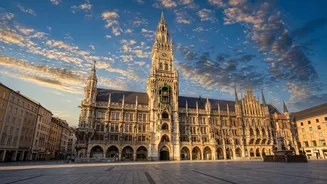
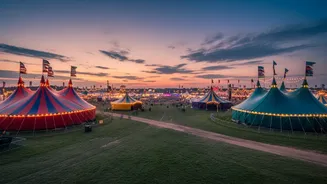
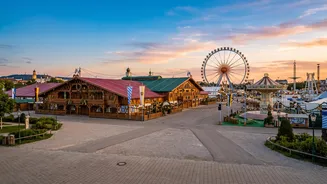
Several major European festivals have become bucket-list items for Indian tourists. Germany's Oktoberfest in Munich, the world's largest folk festival, has seen a notable increase in visitors from India. Travel companies report booking spikes of up to 25% year-on-year for the event. For music lovers, the electronic dance music festival Tomorrowland in Belgium is an iconic pilgrimage, known for its incredible stage designs and global atmosphere. In Spain, La Tomatina continues to be a massive draw, offering a uniquely chaotic and joyful experience. Beyond these, events like the Carnival of Venice in Italy and Germany's colourful Karneval are also gaining popularity.
Beyond the Main Stage
The interest extends beyond music and traditional folk festivals. Film festivals, such as the Berlin International Film Festival, attract movie buffs from around the world. Germany also hosts a range of other cultural events, from the Rhine in Flames fireworks displays to the Frankfurt Museum Embankment Festival, one of Europe's largest cultural celebrations. This indicates a diversification of interests. The modern Indian traveller is not a monolith; their tastes range from classical music anniversaries in Bayreuth to exploring the vibrant Christmas markets that pop up across Germany in winter. The common thread is a desire for active participation in local culture, not just passive observation.
What This Means for Travel
This evolving preference is reshaping the travel industry. Tour operators are moving away from standardised packages and curating more diverse, experience-led holidays. Companies like Thomas Cook and SOTC now include local crafts, food experiences, and cultural explorations alongside festival attendance in their itineraries. With a growing middle class in India and increasing outbound travel, European destinations are taking notice. Germany, France, and Italy remain top choices, but countries like Austria and Greece are also seeing a surge in Indian arrivals. As Europe becomes more accessible, this trend of deep-diving into its cultural calendar is only set to grow.