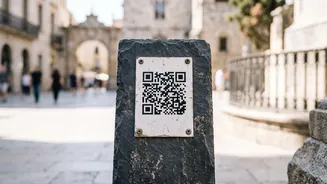









Indonesia, a favourite destination for Indian tourists, is embracing digital payments. But this convenience comes with a hidden risk: sophisticated QR code scams targeting unwary travellers. Here’s what you need to know to keep your money safe.
The Rise of QR Payments in Indonesia
For Indian
travellers accustomed to the ease of UPI, the widespread use of QR codes in Indonesia feels familiar and convenient. Indonesia's national payment standard, QRIS (Quick Response Code Indonesian Standard), is accepted almost everywhere, from restaurants and hotels to local markets and street food stalls. This system allows tourists to scan a single, unified code to pay, often directly from their home country's supported banking apps or by linking their cards to local e-wallets like GoPay. The push for cross-border payment connectivity aims to simplify transactions for tourists. However, the very simplicity that makes QRIS so appealing is also what makes it a prime target for fraudsters.
How QR Code Scams 'Quishing' Works
Cybersecurity experts have a name for this threat: 'quishing', or QR code phishing. The most common method is surprisingly simple. Scammers print a sticker with their own fraudulent QR code and paste it over the legitimate one displayed by a merchant. This can happen at a restaurant table, a parking meter, or a ticket counter. When an unsuspecting tourist scans the fake code, one of two things typically happens. The scan might redirect the payment to the scammer's account instead of the merchant's. Alternatively, it could lead to a convincing but fake website that prompts the user to enter their banking details, credit card number, or login credentials, which are then stolen.
Why Tourists Are Attractive Targets
Travellers are often the perfect victims for these scams. They are usually in a hurry, potentially distracted by their new surroundings, and less familiar with local payment norms. This makes them less likely to notice small discrepancies, like a sticker that looks slightly tampered with or a merchant name on their payment app that doesn't quite match the shop. Scammers exploit this combination of distraction and trust. According to cybersecurity firm Kaspersky, the widespread adoption of QRIS has made it an attractive target, and tourists should be particularly vigilant. The goal of the scammer is to capture financial data or redirect funds in a moment when the traveller has their guard down.
Your Five-Point Safety Checklist
Staying safe doesn't mean avoiding the convenience of QR payments. It means being mindful and developing a few key habits. First, physically inspect the QR code. Look for signs of tampering, like a sticker placed over another code. Second, check your screen after scanning but before authorising. Your payment app should display the merchant's official name. If the name looks like a personal account or is completely unrelated to the business, cancel the transaction. Third, be wary of links. If a QR code opens a web browser and asks for login or card details, be suspicious. Official payment apps process transactions internally. Fourth, use secure networks. Avoid making payments over public Wi_Fi, which can be vulnerable; use a secure connection like your mobile data. Finally, enable transaction notifications on your banking apps to spot any unauthorized activity immediately.
What to Do If You Suspect a Scam
If you complete a payment and realise something is wrong, or if you believe you’ve entered details into a fraudulent site, act quickly. The first step is to contact your bank or credit card provider immediately to report the suspicious transaction and have your card blocked if necessary. This can prevent further financial loss. If you used a local payment app like GoPay, report the incident through their customer service channels. It is also advisable to report the incident to local authorities, though recovery can be difficult. Changing the passwords for any accounts you believe may have been compromised is also a critical step to secure your information.