




The Rise of the Intentional Escape
The concept is called 'slow travel,' and it's less about a destination and more about a mindset. Rejecting the frantic, checklist-driven holiday, slow travel prioritizes connection, depth, and immersion over speed and distance. For urbanites, particularly
those facing burnout from the relentless pace of city life, this philosophy has become a powerful draw. The goal is no longer to see as much as possible, but to experience a single place deeply. Instead of rushing between landmarks, travellers are choosing to stay put, whether in a Himalayan village or, increasingly, a verdant coffee estate in the Western Ghats. This shift is about finding joy in missing out on the hustle, allowing for spontaneous discoveries and genuine connections with the local culture and environment.
Coorg: A Monsoon Paradise
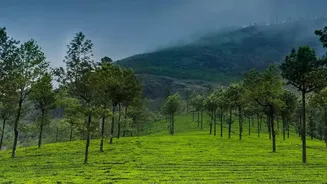
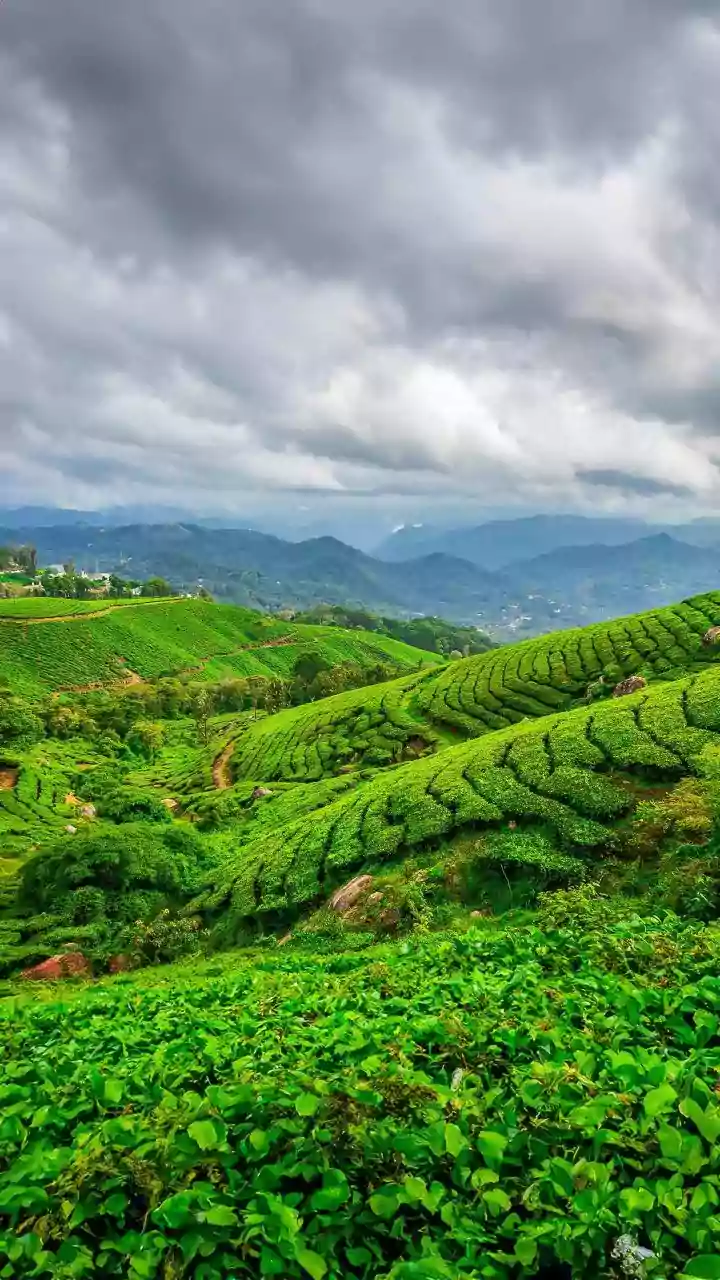
While many tourist destinations wind down during the monsoon, Coorg (Kodagu) comes alive. The rainy season, from roughly June to September, transforms the region into a breathtaking canvas of green. Waterfalls like Abbey and Iruppu, which are modest trickles in the dry season, become powerful, roaring spectacles. The landscape is draped in a perpetual mist that rolls through the valleys, creating a mystical, ever-changing view. The air is filled with the scent of wet earth and blossoming flora. It’s a time when the region encourages a slower pace, making it the perfect backdrop for a restorative getaway. Rather than an inconvenience, the rain becomes the main attraction, setting a peaceful rhythm for the days.
The Heart of the Experience: Coffee Estate Homestays
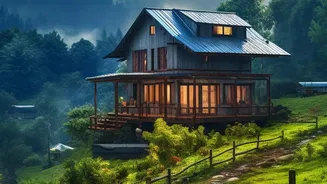
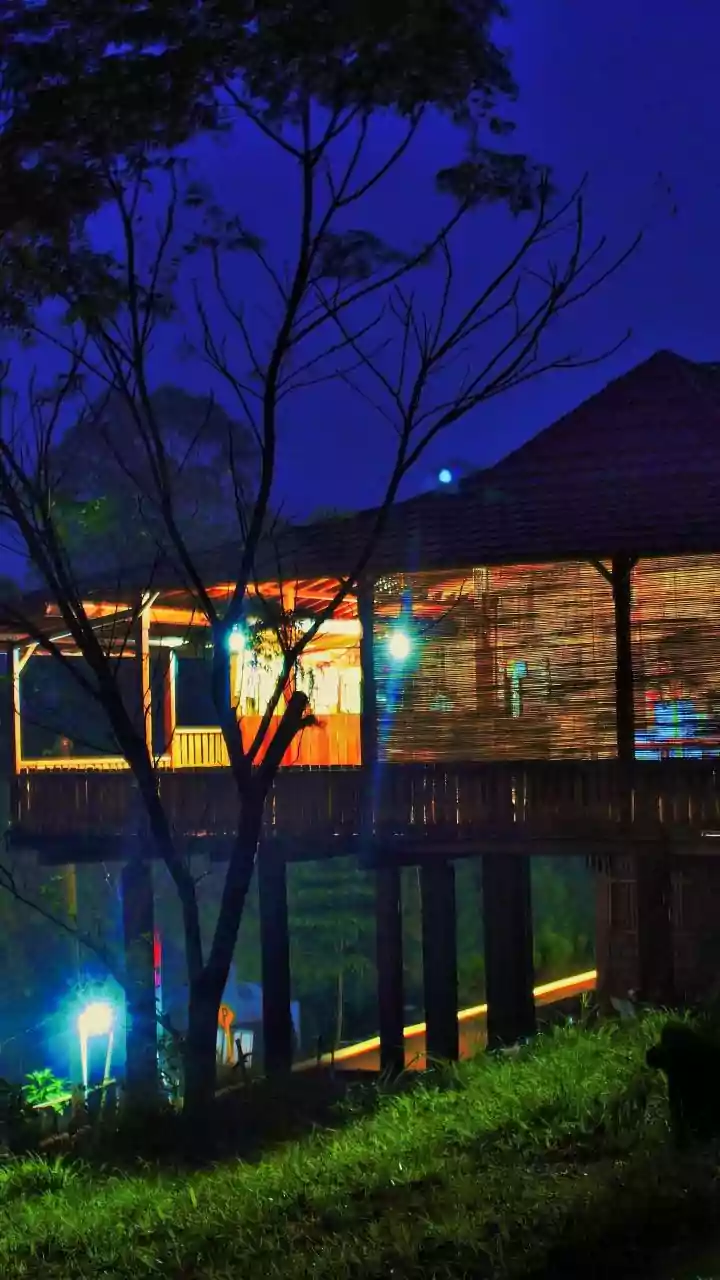
At the centre of this trend are the region's unique coffee estate homestays. These are not typical hotels; they are often family-run properties nestled within sprawling plantations. Waking up here means swapping a blaring alarm for birdsong and the rich aroma of brewing coffee. A stay offers an intimate look into the life of a planter. Hosts often guide guests on walks through the estates, explaining the journey of coffee from cherry to cup. The experience is deeply personal, built around home-cooked Kodava meals, conversations on the veranda, and the simple pleasure of watching rain fall over the coffee bushes. It provides a unique blend of comfort and authenticity, offering a quiet, immersive alternative to a commercial resort.
An Antidote to Urban Burnout
For the urban traveller, the appeal is obvious. It's a chance to disconnect from screens, deadlines, and traffic noise and reconnect with nature and a slower, more deliberate way of life. A day might involve nothing more than reading a book on a porch, taking a misty walk, or simply watching the clouds drift by. This type of unstructured holiday allows for a mental reset that a fast-paced trip often fails to provide. The quiet, green, and predictable rhythm of plantation life during the monsoon is the perfect antidote to the chaotic, overstimulated reality of the city. It’s more than just a vacation; it's a form of therapy, where the only thing on the agenda is to simply be.
Embracing the Monsoon Journey
Travelling to Coorg in the monsoon requires a slight shift in preparation. While the rains bring the region to life, it's wise to pack for wet weather and potential delays. Sturdy, waterproof footwear is essential for navigating slippery trails, and leech socks can be a practical accessory for plantation walks. Activities are dictated by the weather, favouring indoor coziness and short, opportunistic excursions over rigid schedules. The best approach is to remain flexible, embracing the rain as part of the experience. Booking accommodations in advance is recommended, as these unique homestays are growing in popularity, even during what was once considered the 'off-season'.