

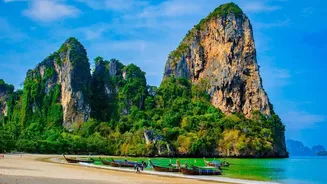
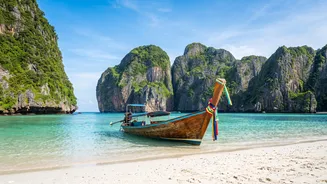

The Visa Exemption Advantage
Thailand has implemented a visa exemption policy for Indian tourists, allowing for a stay of up to 30 days without needing a pre-arranged visa. This is a significant change from the previous Visa on Arrival system, which cost travellers around 2,000 Thai Baht
(approximately ₹4,500-₹5,000). This saving goes directly back into your travel budget, making what was once a primary expense a bonus fund for another night's stay, a special meal, or an extra island tour. While reports in May 2026 suggested this policy might be revised, as of early September 2026, Indian passport holders continue to be eligible for 30-day visa-free entry. This policy simplifies entry and, most importantly for budget travel, eliminates a significant upfront cost.
Mastering the Art of Affordable Flights
Your largest single expense will likely be your flight ticket. However, getting to Thailand from India doesn't have to break the bank. Several budget airlines operate direct flights from major Indian cities like Kolkata, Delhi, and Mumbai to Bangkok. To secure the best prices, booking 2-3 months in advance is crucial, especially if travelling during shoulder seasons (April-June and September-October). A round-trip ticket on a budget carrier can be found for as low as ₹12,000 to ₹18,000 if you are flexible with your dates and book early. Flying into Bangkok's Don Mueang Airport (DMK) often offers cheaper airline options than Suvarnabhumi Airport (BKK). This single smart choice can save you thousands, forming the foundation of your sub-₹30,000 budget.
Budget-Friendly Stays: Hostels and Guesthouses
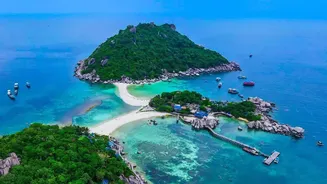
Thailand's accommodation options are incredibly friendly to budget-conscious youth. The key is to embrace hostels and guesthouses. On islands like Koh Lanta, Koh Tao, and even in parts of Phuket and Krabi, you can find clean and social hostel dorm beds for 300-500 Thai Baht (₹700-₹1,200) per night. For a 5-night stay, this totals just ₹3,500-₹6,000. These hostels not only save money but are also fantastic places to meet other travellers and get local tips. Islands like Koh Lanta are particularly known for their laid-back vibe and affordable bungalows. Choosing to stay a little further from the main tourist beaches can also dramatically reduce costs without sacrificing the experience.
Eating Like Royalty on a Street Food Budget
One of Thailand's greatest attractions is its food, and the best of it is often the cheapest. Street food is a safe, delicious, and incredibly affordable way to eat. A full, satisfying meal from a street vendor, whether it's Pad Thai, Som Tam (papaya salad), or a flavourful curry, can cost between 40-80 Thai Baht (₹90-₹190). By eating primarily street food, a daily food budget of 400-500 Thai Baht (₹900-₹1,200) is more than sufficient. This allows for three full meals and some snacks or fresh fruit juice. Over six days, your total food expenditure can be kept under ₹6,000, a fraction of what you might spend in restaurants.
A Sample 6-Day Budget Under ₹30,000
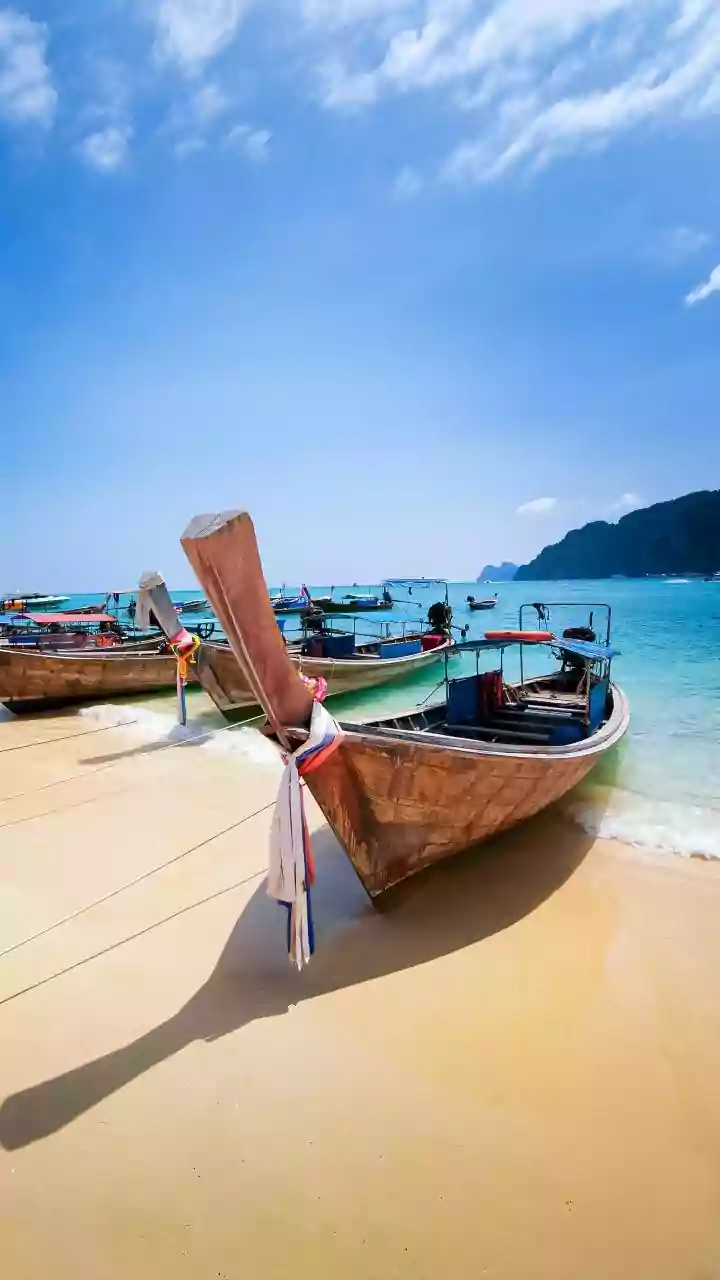
Here is a plausible breakdown for a frugal 6-day, 5-night island trip: Return Flights: ₹14,000 (booked well in advance on a budget airline). Visa: ₹0 (thanks to the exemption). Accommodation: ₹5,000 (5 nights in a hostel at ₹1,000/night). Food & Water: ₹6,000 (₹1,000 per day focusing on street food). Local Transport & Activities: ₹4,000 (local ferries, one or two group island tours, and renting a scooter for a day). Miscellaneous: ₹1,000 (for any unforeseen expenses). Total Estimated Cost: ₹30,000. This budget is tight and requires discipline. It means choosing free activities like relaxing on beaches, hiking to viewpoints, and opting for local long-tail boats over private speedboats for island hopping. It is an achievable goal for a young, savvy traveller.