




More Than Just Catching Rain
In Wayanad, rainwater harvesting is more than a trendy eco-feature; it’s a foundational philosophy. Many resorts and homestays are now integrating this practice deeply into their operations. The principle is simple: collect the vast amounts of water during
the monsoon season from rooftops and natural contours, store it, and use it to reduce reliance on groundwater or municipal sources. This approach is crucial in an ecologically sensitive area known for its biodiversity. For travellers, this means staying in a place that actively works to preserve the very beauty they’ve come to see. It transforms a simple vacation into a partnership with the environment, where your stay contributes positively to the local ecosystem.
Architecture in Harmony with Nature
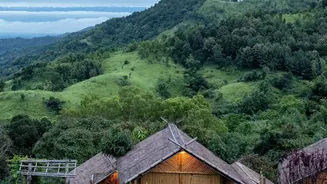
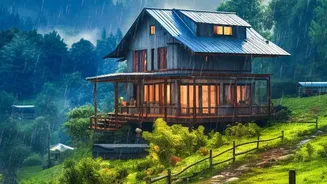
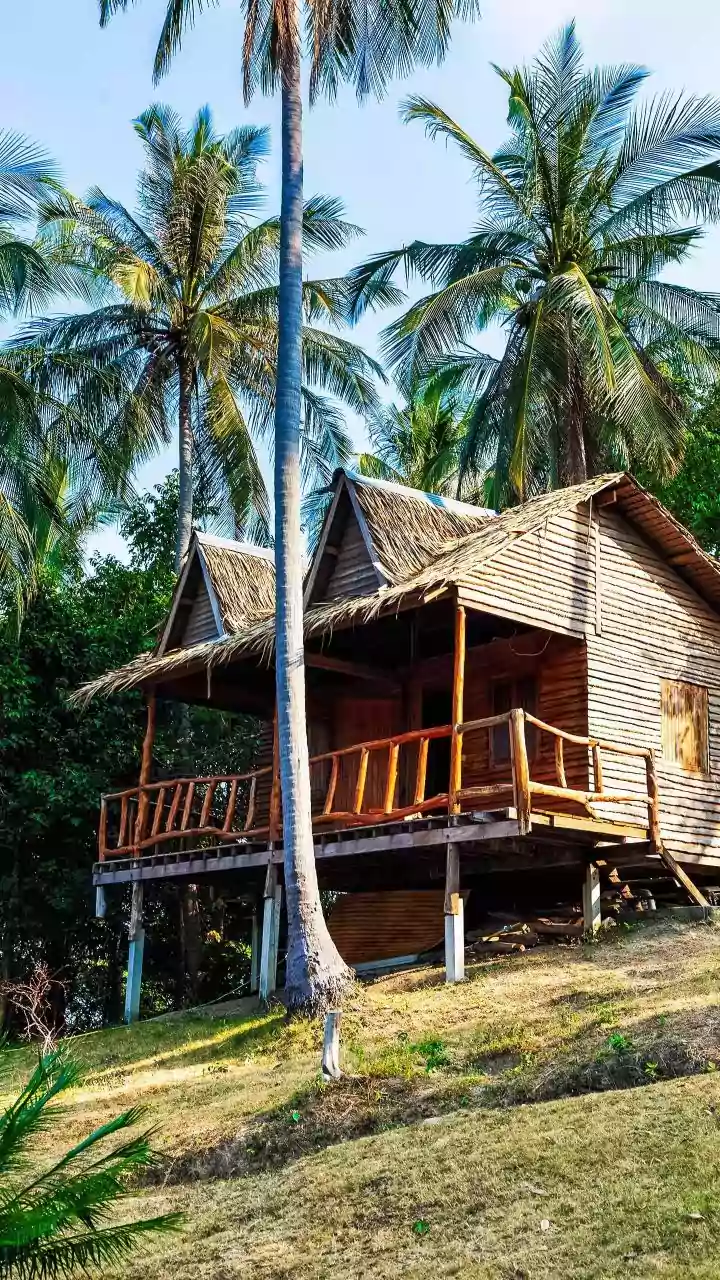
The commitment to sustainability begins with design. Resorts like After The Rains and Wayanad Silverwoods are built to blend with the landscape, not dominate it. Villas are often constructed on terrains where minimal trees are felled, and they use local, sustainable materials that reduce the carbon footprint. Some resorts are designed with roofs and landscapes that naturally channel rainwater into collection systems. Wayanad Silverwoods, for example, combines its water conservation efforts with plastic-free initiatives and the use of solar energy. This thoughtful architecture means guests are constantly surrounded by nature, whether it's through rooms with stunning forest views or private balconies overlooking the serene Banasura Sagar Lake.
From Rainwater to the Dinner Plate
The impact of rainwater harvesting extends directly to the dinner table. The collected water is often used to irrigate on-site organic gardens and spice plantations. Tranquil Resort, a pioneer in sustainable practices, sources most of its food from its own estate or from farms within a 10-kilometre radius. At After The Rains resort, the manure for agriculture is produced organically on the property itself. This creates a true farm-to-table experience where guests can enjoy fresh, chemical-free meals. The water that sustains these gardens is the same rain that falls around them, closing the loop and offering a taste of the region that is both authentic and deeply responsible. It’s a culinary journey that begins with a simple raindrop.
A Deeper System of Sustainability
Rainwater harvesting is often just one part of a much larger, integrated system of eco-friendly practices. At Tranquil Resort, for example, over 95% of hot water is generated using biomass boilers fired by wind-fallen branches from the estate, completely avoiding electricity. Kitchen waste is converted into biogas for cooking, and drinking water is sourced from natural springs on the property, making the resort remarkably self-sufficient. Similarly, resorts like Muthanga Wild Resort and Vythiri Village Resort focus on using solar power, managing waste responsibly, and constructing with eco-friendly materials like bamboo and mud blocks. These interconnected systems demonstrate a structural commitment to sustainability that goes far beyond mere greenwashing.
The Experience: Guilt-Free Indulgence
Choosing a sustainable resort in Wayanad doesn’t mean sacrificing comfort. On the contrary, it enhances the experience. The luxury here is found in the connection to nature—waking up to the sound of birds in a resort that provides them a habitat, swimming in a pool filled with treated rainwater, or enjoying a meal knowing it was grown just steps away. Resorts offer experiences like guided nature walks, birdwatching tours, and visits to local tribal villages, educating guests on the importance of conservation. Staying at places like Rain Country Resorts, located in one of India's highest rain-fed areas, offers an immersion into the ecosystem itself. It is an indulgence that feels earned, a quiet luxury that leaves both the guest and the destination better off.