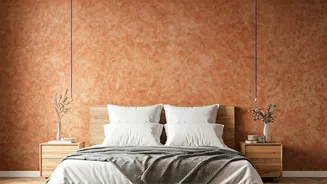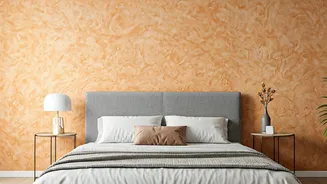




What Exactly Are Clay Textured Walls?
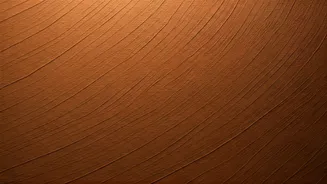
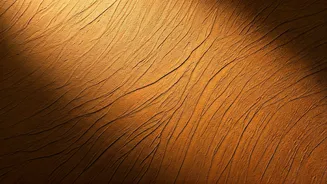
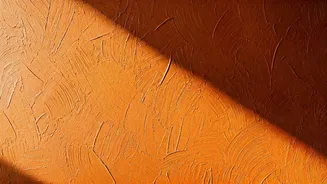
Forget the smooth, sterile perfection of paint. Think of walls that feel alive, with a subtle, touchable depth. Clay textured walls are not a single product, but a family of natural plasters made from materials like clay, lime, sand, and marble dust.
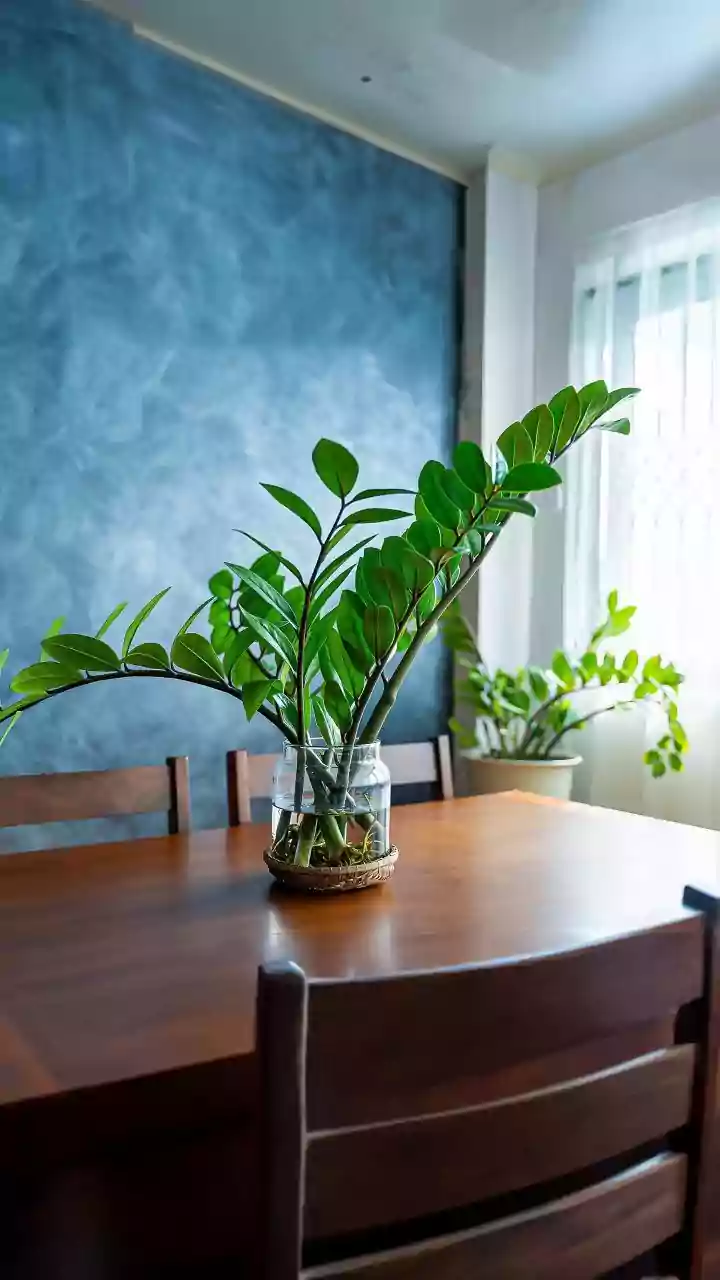
Popular finishes include Venetian plaster, which offers a polished, marble-like sheen, and lime wash, which gives a soft, chalky, matte look. In India, traditional techniques like 'arish' plaster from Gujarat, using lime and marble dust, are seeing a modern revival. These finishes are applied by skilled artisans directly onto the wall, creating a seamless, grout-free surface that is as much a piece of art as it is a wall covering.
The 'Breathable' Advantage in Our Climate
The word 'breathable' is the key differentiator here. Unlike vinyl wallpapers or acrylic paints that seal a wall, clay and lime plasters are porous. This means they can absorb excess moisture from the air during humid monsoons and release it back when the air is dry. For Indian apartments, this is a game-changer. It helps regulate indoor humidity, significantly reducing the chances of mould and mildew growth — those dreaded black spots that often appear in damp corners. This natural moisture management creates a healthier indoor environment, improving air quality and reducing the musty smells that can plague poorly ventilated spaces. It’s a functional benefit that goes far beyond simple aesthetics.
Aesthetic Freedom and Earthy Elegance
While traditional wallpaper offers a universe of patterns, it's often a repeating, two-dimensional design. Textured walls offer something different: organic, unique character. The final look depends on the artisan's hand, creating subtle variations in texture and tone that can't be replicated by a machine. The colour is not just sitting on the surface; it's integrated into the plaster itself, giving it a luminous depth. From the rugged feel of Tadelakt plaster to the silky smoothness of a fine Venetian finish, the style can be adapted to be rustic, minimalist, or supremely luxurious. It provides a sophisticated, earthy backdrop that makes furniture and art pop, without competing for attention with a busy pattern.
Clay Walls vs. Wallpaper: The Showdown
So, should you rip up your wallpaper sample books? Let's compare.
**Durability:** Clay and lime plasters are exceptionally durable. Once cured, they are essentially a thin layer of rock, resistant to scratches and dents. Wallpaper, especially in high-traffic areas, can tear and peel.
**Maintenance:** Textured walls are low-maintenance. Minor scuffs can often be wiped or gently sanded away. Stains can be tricky, but many modern formulations are sealed for easier cleaning. Wallpaper is notoriously difficult to repair seamlessly if torn.
**Cost:** Here, wallpaper often has the initial edge. The material and skilled labour required for a good plaster finish make it a more premium option. However, considering its longevity and durability, it can be more cost-effective in the long run than replacing wallpaper every few years.
**Application:** Wallpaper can be a DIY project for the brave, but a textured wall is not. It requires a skilled artisan ('karigar') who understands the material. Finding the right professional is crucial to achieving the desired finish.
Is It Right For Your Home?
While the headline's claim of a complete replacement is bold, textured walls are a powerful contender, especially for an accent wall or a feature room. Consider it if you prioritise a healthy home environment, value long-term durability, and love a unique, artisanal aesthetic. It's an investment in a timeless look that won't feel dated next season. However, if your budget is tight or you love changing your decor frequently with bold, graphic patterns, high-quality wallpaper remains a fantastic and versatile choice. The rise of textured walls isn't about eliminating wallpaper, but about expanding our options for creating beautiful, personal, and healthier living spaces.