


The Biscuit's Enduring Kingdom
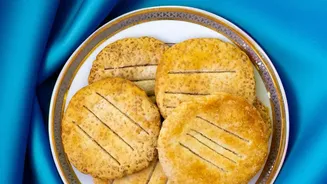
Let's be clear: the biscuit is not going anywhere. The Indian biscuit market is enormous, valued at over USD 5 billion in 2024 and projected to grow steadily. It's an industry built on accessibility, affordability, and deep cultural roots. Brands like
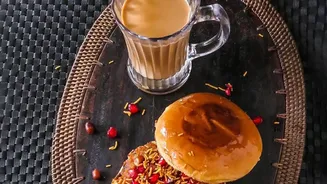
Parle-G and Britannia are household names, representing comfort and convenience for millions. Rural markets, in particular, remain a stronghold, accounting for a significant portion of biscuit consumption in the country. From the worker's tea break to a child's school tiffin, biscuits are woven into the fabric of daily life. The market's continued growth shows that its reign is far from over.
The Rise of the 'Healthy' Challenger
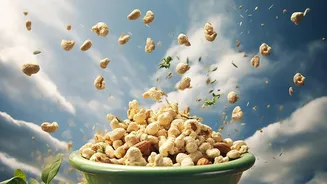
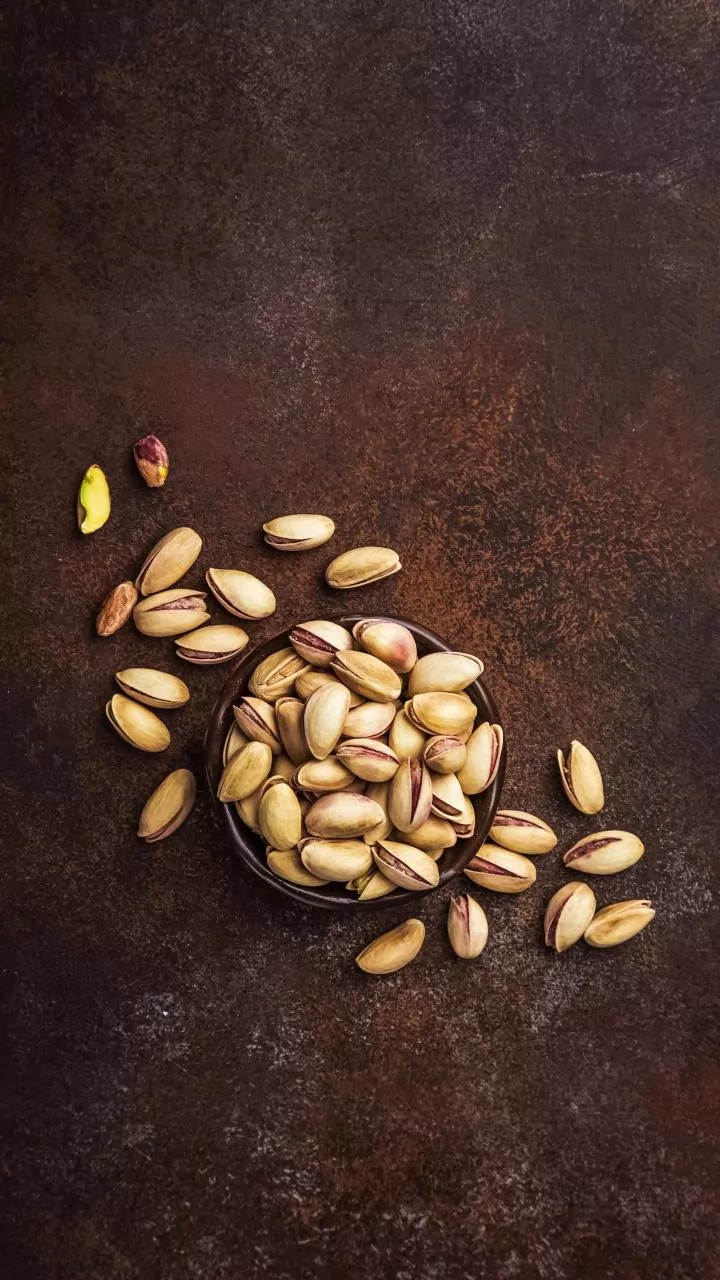
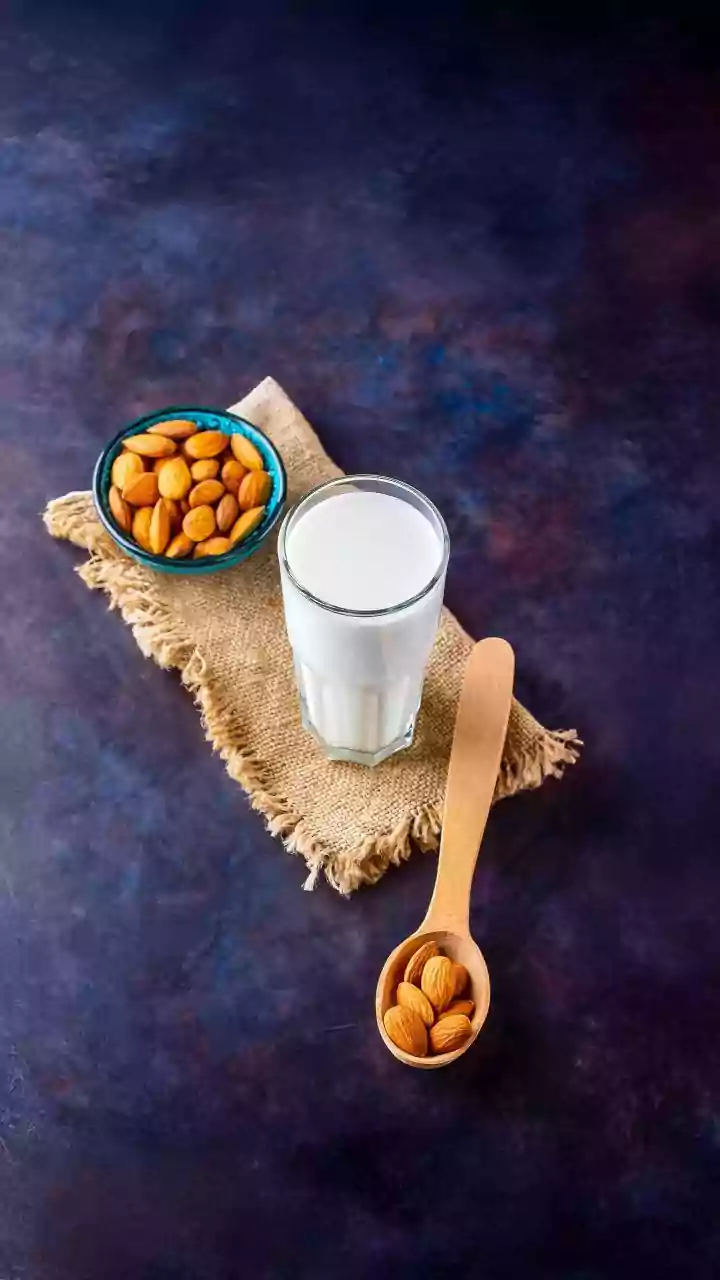
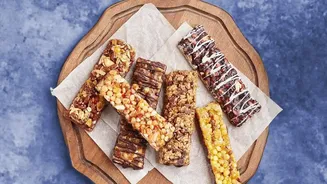
While the biscuit market continues to grow, a different segment is growing much faster. The healthy snacks category is experiencing a boom, driven by a fundamental shift in the Indian consumer mindset. Rapid urbanisation, rising disposable incomes, and hectic schedules are changing eating patterns. Consumers, especially in cities, are no longer just looking for a quick bite; they are seeking functional foods that offer nutritional benefits. This has created fertile ground for snacks like roasted makhana (fox nuts), millet-based crackers, baked chips, protein bars, and granola. These products are marketed not just as tasty but as purposeful—offering protein, fibre, and clean ingredients.
Meet the New Indian Snacker
The driving force behind this trend is a new generation of consumers who are more health-conscious and digitally savvy. They are actively reading labels, questioning ingredients, and prioritizing their well-being. Studies show a significant portion of Indian consumers are actively managing their diet and seeking out healthier food choices. This consumer is often urban, has a higher income, and is influenced by global wellness trends. They are willing to pay a premium for products that align with their health goals, whether that's lower sugar, higher protein, or gluten-free ingredients. This is a move from passive consumption to making active, informed food choices.
Are 'Healthy' Snacks Truly Healthier?
This is the million-rupee question. The term 'healthy' can be a marketing buzzword. While many new-age snacks do use better ingredients like whole grains, nuts, and seeds, and employ healthier cooking methods like baking instead of frying, it's not a universal truth. Consumers are encouraged to look beyond the front-of-pack claims. Some 'healthy' snacks can still be high in sugar, sodium, or hidden fats. The key difference is the shift toward cleaner labels and recognizable ingredients. The most significant change is the consumer's growing awareness and demand for transparency, forcing brands to be more accountable for their nutritional claims.
The Biscuit Giants Fight Back
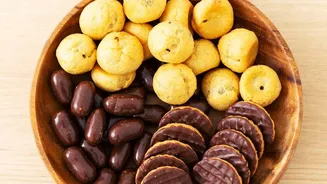
The legacy biscuit companies are not standing still. They are actively responding to this consumer shift by innovating within their own portfolios. Major players like Britannia and ITC have been aggressively expanding their 'health' lines, such as NutriChoice and Sunfeast Farmlite. They are launching multigrain, sugar-free, and millet-based biscuits to cater to the health-conscious segment. In April 2026, ITC even launched a new range of sugar-free cookies under its Sunfeast Farmlite brand. This strategy allows them to leverage their massive distribution networks while competing directly with the newer, more agile startups that initially defined the healthy snack space.