
An Old Craving Finds a New Address
For generations, the arrival of the rains has been synonymous with a specific kind of culinary ritual. Across the country, the unwritten rule is to welcome the downpour with a plate of sizzling pakoras, a crispy samosa, or a perfectly roasted bhutta (corn
on the cob), all washed down with a steaming cup of masala chai. It’s a tradition steeped in nostalgia, a sensory memory passed down through families. These aren't just foods; they are the edible embodiment of comfort. In recent years, however, this cherished home and street-side tradition has migrated to a new, trendier address: the modern Indian café. What was once a simple, rustic pleasure is now the star of curated, seasonal menus in urban hotspots from Delhi to Mumbai and Bengaluru.
From Street Food to Café Star
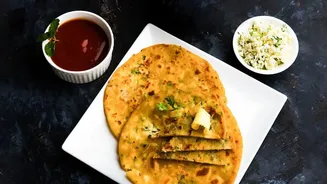
The humble pakora is leading the charge in this culinary renaissance. While the classic onion or potato fritter remains a beloved staple, cafes are giving it a gourmet makeover. At Kikli in Delhi, for instance, a monsoon menu from Chef Amninder Sandhu features elevated versions like Chicken Pakode made with lassi-soaked tenders and Paneer Pakoda stuffed with punchy garlic pickle. Other establishments are experimenting with pakora platters served with an array of artisanal dips—think sriracha mayo or mint-yogurt foam instead of the standard green chutney. Even the presentation is getting an upgrade, with fritters artfully arranged on slate boards, making them as much a feast for the eyes as for the palate.
Not Just Pakoras: A Monsoon Menu Makeover
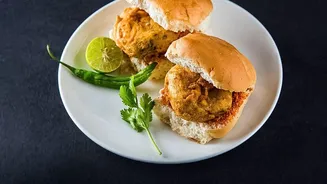
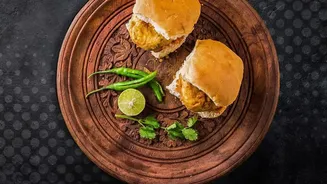
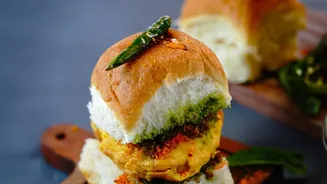
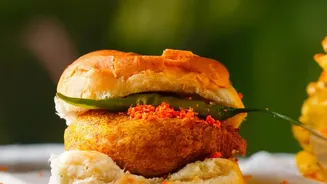
The trend extends far beyond just fritters. Corn, the quintessential rainy-day street snack, is being reimagined as spicy corn ribs drizzled with peri-peri masala or slathered in truffle butter and parmesan. Samosas are also getting a global twist, with some menus featuring fillings like spicy Korean gochujang or pulled-pork. At Gallops in Mumbai, the monsoon high-tea menu places traditional favourites like mini vada pav and palak patta chaat right alongside sophisticated chicken and leek pies. This fusion approach honours the nostalgic craving for comfort while introducing an element of surprise and discovery. It caters to a generation that loves its roots but also has a global palate.
Why the Revival is Happening Now
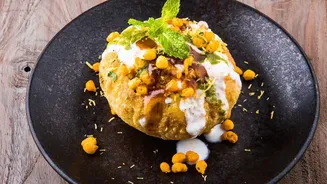
Several factors are driving this trend. Firstly, there's the undeniable power of social media. A deconstructed samosa chaat or a colourful platter of assorted bhajiyas is inherently Instagrammable, turning a simple snack into a shareable visual experience. Secondly, the rise of new-age café chains like Chaayos and Chai Sutta Bar has already proven the success of modernising traditional Indian staples. These brands have made chai and simple snacks 'cool' for a younger demographic, paving the way for more experimentation. Finally, there is a deeper cultural current at play. In a fast-paced, globalised world, there is a growing desire to connect with familiar, comforting traditions. These reinvented dishes offer the best of both worlds: the nostalgic warmth of a home-cooked favourite combined with the aspirational experience of modern café culture.
A Taste of Modern Nostalgia
This revival is more than just a passing food fad; it’s a reflection of how India’s culinary identity is evolving. It shows a newfound confidence in celebrating local flavours and ingredients within a contemporary framework. Chefs and restaurateurs are no longer looking outwards for inspiration but are digging deep into their own culinary heritage, unearthing forgotten recipes and reinterpreting timeless classics for a new audience. They are proving that traditional Indian food can be both comforting and chic, nostalgic and novel. This movement respects the past while playfully experimenting with the present, creating dishes that satisfy both the heart and the modern palate.