






What is Experience-Led Travel?
Think of it as the difference between a buffet and a thoughtfully prepared tasting menu. Traditional tourism often involved a packed itinerary of famous landmarks, a checklist to be completed. Experience-led travel, however, prioritises the 'what' and 'how'
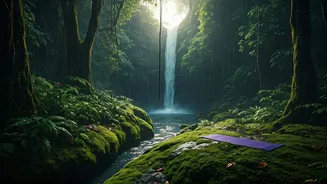
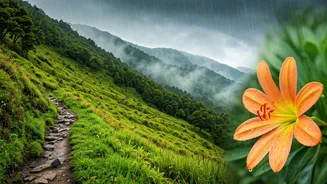
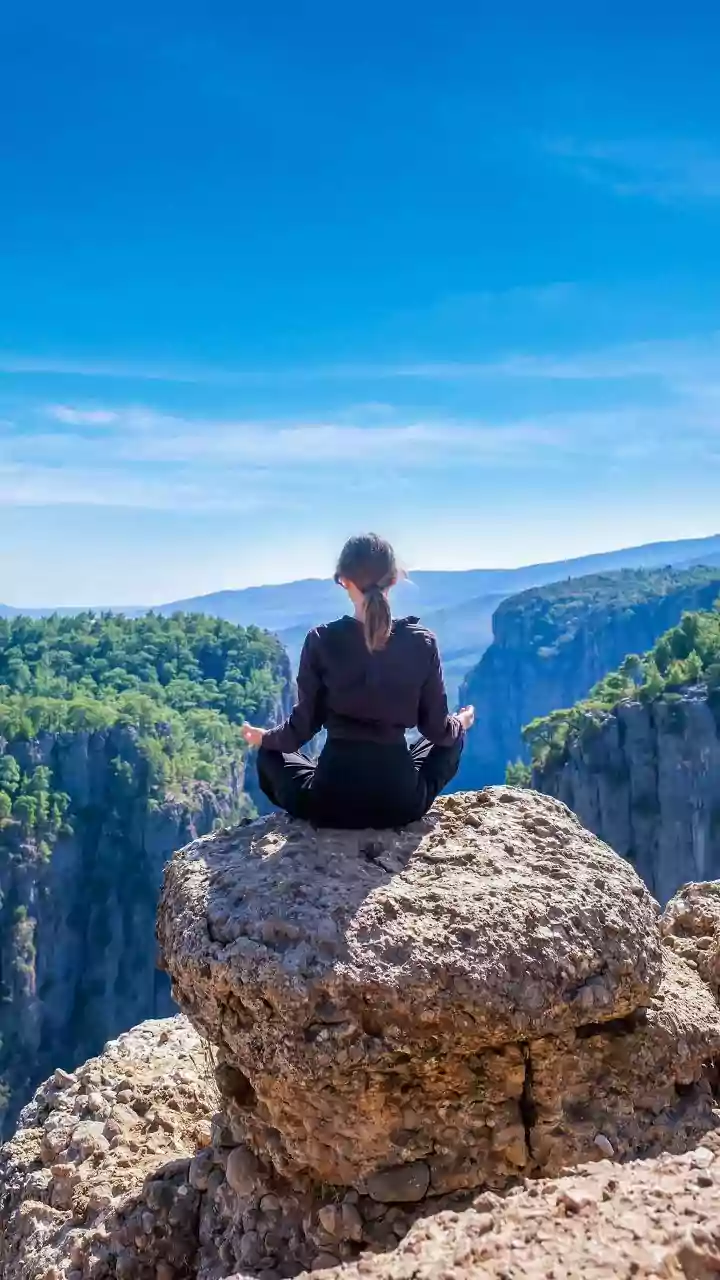
over the 'where'. It's about immersing oneself in an activity, a culture, or a feeling. This could mean a silent yoga retreat in the Himalayas, a culinary tour through the lanes of Old Delhi, trekking to a remote village, or attending a music festival in a desert. [6, 22] The goal isn't just to see a place, but to interact with it, learn from it, and be transformed by it. It’s a shift from passive sightseeing to active participation, where the journey's value is measured in personal growth and memories, not just photographs. [8, 9]
The Social Media Effect
It’s impossible to talk about this trend without mentioning the role of the smartphone. Digital platforms, especially Instagram and YouTube, have become the primary source of travel inspiration for young Indians. [2, 5] A study found that over half of Indian youth turn to Instagram for travel ideas. [2] This digital influence goes beyond just finding a pretty backdrop; it’s about discovering niche experiences shared by travel bloggers and influencers. [3, 4] User-generated content, from reviews to vlogs, is seen as more authentic and trustworthy than traditional advertising. [2] The desire to capture and share a unique experience—from a perfect sunrise to a challenging adventure sport—fuels the search for offbeat and personalised journeys that look as good as they feel. [16]
From Long Holidays to Frequent Resets
The annual family vacation, planned months in advance, is being replaced by a more flexible approach. Young Indians, particularly Gen Z, are opting for multiple shorter trips throughout the year. [11, 13] Reports show a strong preference for getaways lasting between two and seven nights, often planned spontaneously. [12, 14, 17] This shift reflects a new mindset where travel serves as a regular 'reset' from the pressures of daily life, rather than a once-a-year reward. [17, 22] The rise of remote work and a desire for better work-life balance has made it easier to integrate these short, purposeful breaks into their schedules. [17] This has led to a boom in weekend getaways and trips that are easier to plan and repeat. [12]
Adventure, Wellness, and Authenticity
So, what kind of experiences are in demand? Fun and adventure are top drivers, with a majority of young travellers planning to try adventure sports on their next trip. [9, 16] There is also a significant boom in wellness tourism, with a growing number of young professionals seeking out yoga retreats, meditation centres, and nature-based therapies to combat stress and burnout. [22, 25, 26] Cultural exploration and connecting with nature are also major draws. [15] Ultimately, this generation is value-conscious rather than just price-conscious. [8] They are willing to spend more on unique, exclusive, and authentic experiences that offer personal value, whether that’s a luxury stay or a rugged trek. [8, 18]
The Industry Responds
The travel industry is taking note and adapting quickly. The market for experiential travel in India is projected to grow significantly, driven by this younger demographic. [6] We're seeing a rise in travel companies that specialise in curated, hassle-free, and immersive trips. [6] Hotels are no longer just a place to sleep; they are becoming the destination itself, offering unique activities and amenities. [21] From eco-resorts and farm stays to boutique hotels with strong local character, the focus is on providing a holistic experience. This shift has also opened up opportunities for destinations beyond the traditional tourist circuits, boosting regional economies and promoting sustainable travel. [5, 23]