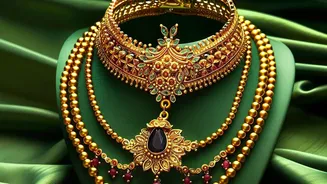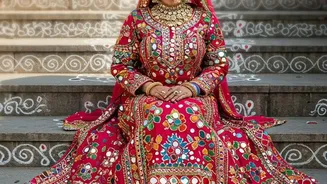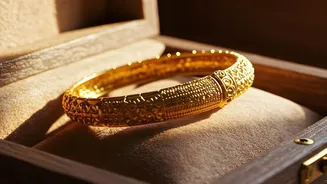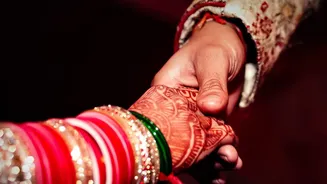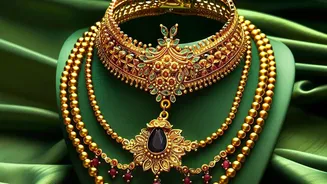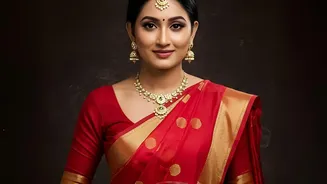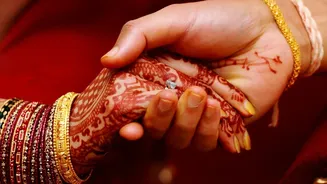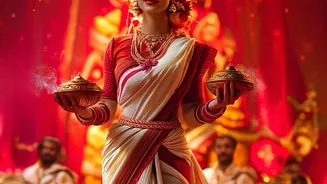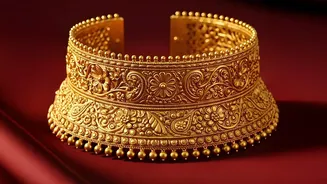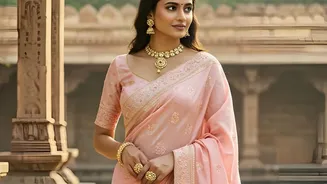


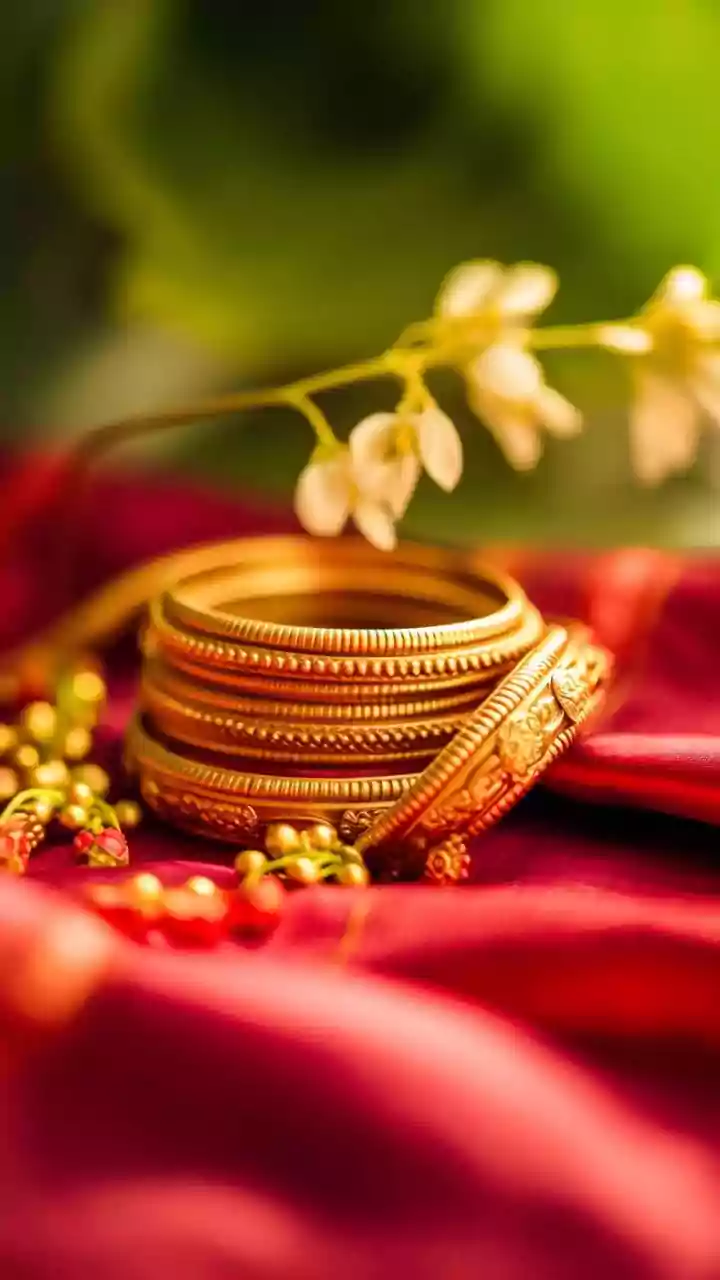
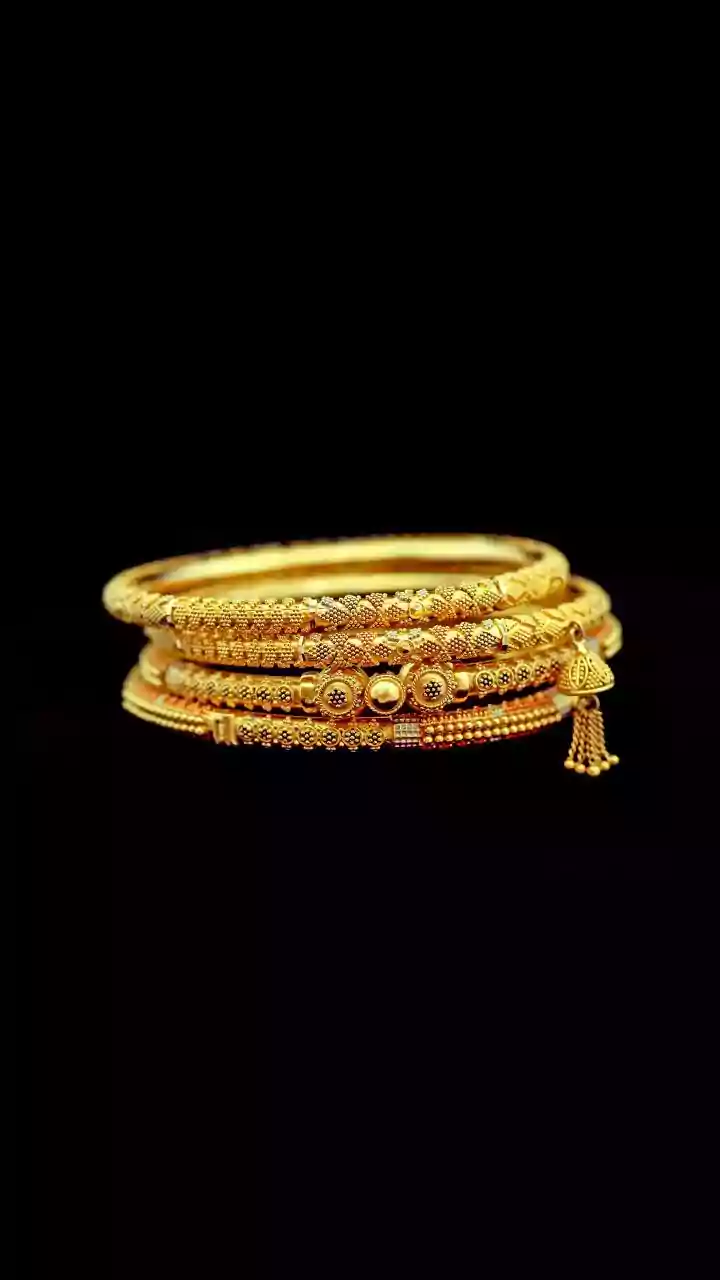
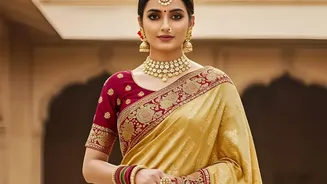
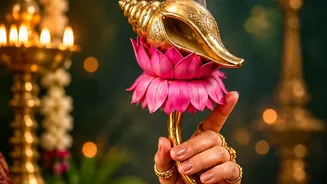
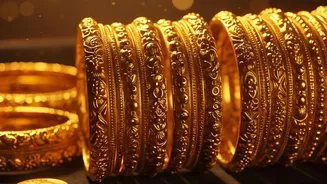
In Indian families, gold jewellery is rarely just an ornament. It is a complex symbol of love, security, status, and legacy, weaving together a woman's personal wealth with the traditions of the family she belongs to.
More Than Just Adornment
Gold's significance in India transcends
its monetary value; it is deeply woven into the cultural and emotional fabric of family life. From weddings and festivals to the birth of a child, the gifting and wearing of gold is a cherished ritual, symbolising blessings, prosperity, and purity. Each piece of jewellery often carries a story, a memory of a milestone, or the touch of a loved one. This emotional connection is what separates gold from other assets; it serves as a tangible link to personal history and family identity, making it emotionally irreplaceable. While other luxuries fade, the value of gold jewellery often deepens with time, layered with memory and meaning.
Stridhan: A Woman's Absolute Wealth
A crucial, and often misunderstood, aspect of gold in an Indian marriage is the concept of 'Stridhan'. Derived from Sanskrit, it literally means 'woman's property'. Legally, Stridhan refers to any property—including jewellery, cash, and other assets—given to a woman before, during, or after her marriage. This includes gifts from her own parents, relatives, friends, and even her in-laws. The law is unequivocally clear: Stridhan is her absolute property. According to Section 14 of the Hindu Succession Act, 1956, she has full ownership and the right to sell, gift, or dispose of it as she pleases, without needing consent from her husband or his family. Even if her husband holds it for 'safekeeping', he is merely a trustee and is legally bound to return it upon her demand. This legal protection establishes a foundation of financial autonomy for a woman within her marriage.
Gold as Heirloom: A Legacy in Metal
In parallel to its role as a woman's personal asset, gold jewellery functions as a powerful family heirloom. These pieces become living archives, carrying the stories, traditions, and blessings of generations. When a mother passes down her bangles to her daughter, or a grandmother gifts a necklace at a wedding, it is an act of transferring not just wealth, but heritage. These heirlooms connect the past to the present, reinforcing family identity and continuity. Even as designs are updated to suit modern tastes, families often preserve parts of the original piece, valuing the emotional connection over transient trends. This practice ensures that the family's legacy remains alive, cherished in the intricate craftsmanship of the jewellery.
A Symbol of Status and Security
Beyond the personal and familial, gold holds a prominent social standing. The quantity and quality of gold showcased during weddings and festivals are often seen as a reflection of a family's wealth and status in the community. It is a visual declaration of prosperity and success. But perhaps more importantly, gold serves as a crucial form of financial security. In a country where economic stability is a priority, gold is viewed as a reliable and liquid asset that can be a safeguard against financial crises. It is an emergency fund that can be pledged or sold to meet urgent needs, from funding education to starting a business. This dual function as a status symbol and a safety net solidifies its indispensable role in the household economy.
Navigating Modern Sentiments
Today, the relationship with gold continues to evolve. While traditional values remain strong, modern buyers are also increasingly purchasing gold to mark personal milestones, like a career promotion or a first major purchase, reflecting a greater sense of independence and self-expression. There is also a growing awareness of gold as a strategic financial asset, with families tracking market rates more closely. This modern mindset does not erase the emotional significance but adds another layer to it. Gold is now simultaneously an expression of personal achievement, a link to family history, a legal right, and a smart investment. This multifaceted identity ensures its enduring relevance in the lives of Indian families.