








From Logistics to Mindset
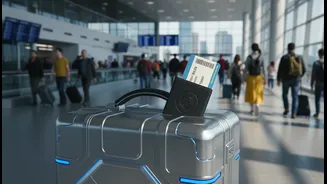
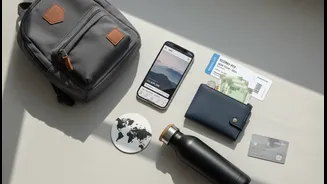
For a while, the narrative around Gen Z's travel habits was straightforward. Faced with limited paid time off and tighter budgets, they popularised the 'micro-cation'—a short trip of two to four days, often booked spontaneously. This approach allowed
for regular escapes to combat the grind, prioritising experiences over possessions. The dominant questions for employers and industries were practical: How do we manage frequent leave requests? How can we market affordable, short-stay packages? How do we appeal to a generation that plans trips in weeks, not months? But these questions only scratch the surface of a much deeper cultural shift.
Is It a Break or a Symptom?
The first new question is a critical one: are these micro-breaks a healthy coping mechanism or a symptom of systemic burnout? For a generation reporting higher levels of stress and burnout than any before, short trips can be a necessary release valve from an 'always-on' work culture. Peak burnout is now hitting workers as young as 25. This has led to trends like 'burnout trips'—unplanned getaways taken specifically because of feeling overwhelmed. This reframes the micro-break not just as a fun holiday, but as a form of self-prescribed mental health care. It forces employers to ask not how to accommodate the break, but how to address the underlying workplace pressures that make it feel so necessary.
The Search for 'Purposeful' Rest
Another emerging question is about the nature of the break itself. The trend is moving away from simple escapism or just creating social media content. Many in Gen Z are now seeking 'purposeful' rest. This can manifest in different ways. Some are 'mirror tripping', choosing destinations that reflect their personality and values. Others are on a 'vibe trip', chasing a specific feeling like slowness or discovery rather than a specific place. The rise of 'sleepcations', where the primary goal is simply to rest and recover from burnout, further highlights this shift. The question is no longer just 'where did you go?', but 'what did you find?'—even if the answer is just a good night's sleep.
Redefining the Work-Life Boundary
Micro-breaks also challenge the traditional boundary between work and life. The rise of remote and flexible work has made these short trips more accessible, but it also blurs the lines. A significant portion of Gen Z workers report feeling guilty for taking time off or find it difficult to fully disconnect from work communications even while away. This leads to the productivity paradox: are these frequent, short breaks fostering a more rested and engaged workforce, or are they contributing to a culture where no one ever truly switches off? This generation seems to be redefining success, prioritising well-being and flexibility over traditional corporate loyalty, and micro-breaks are a key part of that redefinition.
What This Means for Indian Workplaces
In India, where Gen Z will soon comprise over a quarter of the workforce, these questions are particularly resonant. Affluent young Indians are already embracing 'multi-retirements'—planned career pauses that are longer than a micro-break but share the same spirit of proactive rest. With high rates of burnout reported among young Indian professionals, the impulse for strategic breaks is strong. For Indian companies, the trend of micro-retirements and breaks is a signal to move beyond interpreting these actions as disloyalty and instead see them as an adaptation to modern work pressures. The challenge is to build a culture that provides the flexibility, purpose, and balance this generation seeks.