




An Uneven and Deficient Monsoon
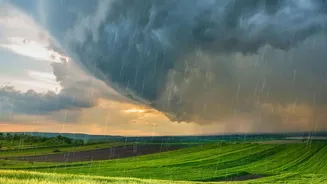
As the Southwest Monsoon season heads into its final weeks, the overall picture is one of deficiency. Cumulative rainfall across India is running significantly below the long-period average, with some reports suggesting a deficit of around 15% as of mid-September.
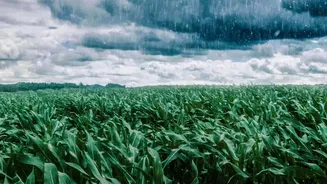
This would make it one of the driest monsoons in years. The problem isn't just the overall shortfall, but its uneven distribution. While some regions have seen normal or even excess rain, many key agricultural states, including Punjab, Haryana, Karnataka, and Maharashtra, are grappling with deficits. The India Meteorological Department (IMD) had already forecast a below-normal September, a crucial month that bridges the gap between the Kharif harvest and Rabi sowing. This widespread dryness, influenced by a strengthening El Niño, has left large parts of the country with lower-than-ideal moisture levels.
Why September Rain is Crucial
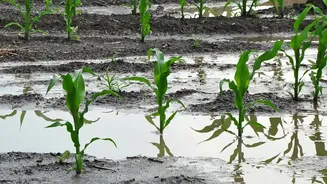
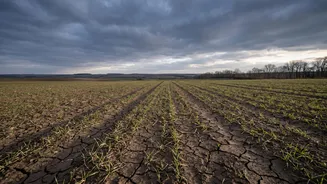
For India’s farmers, September rain is not just the last gasp of the monsoon; it’s the lifeline for the upcoming winter crop season, known as the Rabi season. Unlike Kharif crops that are sown in June-July and depend heavily on monsoon downpours, Rabi crops are planted between October and December, a period with little to no rainfall. Their success hinges on the amount of moisture left behind in the soil by the retreating monsoon. This residual moisture is critical for seed germination and the initial growth of key winter staples. When September is dry, the soil loses this essential moisture, forcing farmers to rely more heavily on irrigation from reservoirs and groundwater. A significant deficit in late-season rain can therefore hamper sowing operations, potentially reducing the total area planted with winter crops.
Winter Crops Under the Spotlight
The crops most directly in the line of fire are wheat, mustard (rapeseed), and gram (chana), which form the backbone of the Rabi season. Wheat, a staple for millions, is heavily dependent on irrigation, but sufficient soil moisture at the time of sowing is vital for a healthy start. Mustard, a key source of domestic edible oil, is also vulnerable. Lower acreage or yields for mustard could put further pressure on India's edible oil import bill. Pulses like chana are particularly sensitive. While they are often grown in rain-fed areas and don't require excessive water, they do need that initial soil moisture to establish themselves. A dry September directly threatens the prospects for these crops, especially in areas with limited irrigation facilities. Analysts have noted that risks from the erratic monsoon are now shifting from summer crop yields to the upcoming Rabi sowing itself.
The Ripple Effect on Your Wallet
The connection between soil moisture in September and the price of food in January is direct. A reduction in the area sown with Rabi crops, or a poor start leading to lower yields, translates into tighter supply in the markets post-harvest. This supply-demand imbalance can exert upward pressure on food prices. Food inflation has already been a concern, with August 2026 figures showing a rise to 5.95%, driven by surges in various food items. If the production of key staples like pulses and oilseeds is impacted by a poor Rabi season, consumers could see prices for dal and cooking oil firm up in the first half of 2027. While large government buffer stocks of wheat may prevent a sharp spike in atta prices, the broader trend for other essential winter crops will be a key factor to watch for household budgets.
Is Higher Food Inflation Inevitable?
While the situation warrants caution, it is not a foregone conclusion. Several other factors will play a role in determining the final outcome. Reservoir levels across the country, while not ideal, are being closely monitored and will be crucial for irrigation in the coming months. Government policies, including the Minimum Support Price (MSP) for Rabi crops, can incentivize farmers to plant certain crops despite challenging conditions. Furthermore, the possibility of western disturbances bringing winter rains to northern India could offer a much-needed reprieve for crops like wheat later in their growth cycle. The government also has tools like releasing grain from its reserves and managing trade policies to help control extreme price volatility. The next few weeks, as farmers make their final sowing decisions, will be critical in shaping the agricultural landscape and the trajectory of food inflation for the year ahead.