



The Pollutants Hiding in Plain Sight
You might assume dust and pollen are the main culprits, but the most common indoor pollutants are often invisible and odourless. These include Volatile Organic Compounds (VOCs), which are gases released from everyday items. Think about the 'new' smell
from paint, furniture, or carpets—that's off-gassing. VOCs are found in thousands of products, including cleaning supplies, air fresheners, cosmetics, and even dry-cleaned clothes. Other significant indoor pollutants include mold, pet dander, and emissions from cooking and heating appliances. These substances can build up over time, especially in well-sealed, energy-efficient homes that lack proper ventilation.
Health Risks of Poor Indoor Air
The consequences of breathing contaminated indoor air range from immediate discomfort to serious long-term health issues. Short-term effects can include irritation of the eyes, nose, and throat, as well as headaches, dizziness, and fatigue. For those with asthma or allergies, exposure to indoor pollutants like dust mites, pet dander, or mold can trigger attacks. Over the long term, poor indoor air quality can contribute to the development of respiratory infections, heart disease, and even certain types of cancer. The World Health Organization estimates that millions of deaths worldwide each year are attributable to illnesses from harmful indoor air.
Strategy 1: Ventilate Wisely
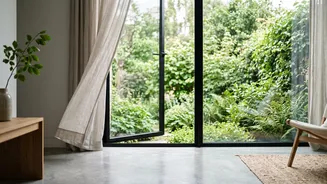
While closing windows during high outdoor pollution is a good start, a home still needs fresh air. This is where strategic ventilation comes in. Rather than keeping your home sealed 24/7, open windows for brief periods when outdoor air quality is good. This helps flush out accumulated indoor pollutants. Crucially, always use exhaust fans in kitchens and bathrooms. Running the kitchen hood while cooking and the bathroom fan during and after a shower removes moisture, odours, and contaminants directly at the source, preventing them from circulating throughout your home.
Strategy 2: Purify the Air You Breathe
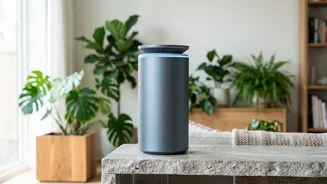
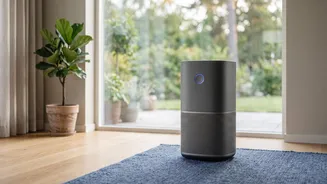
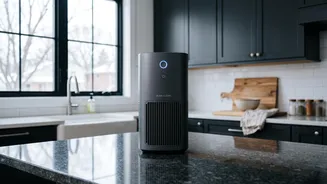
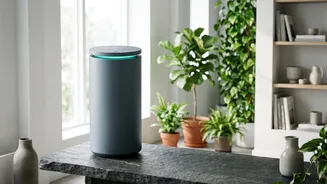
Air purifiers can be a powerful tool for improving indoor air. The most effective models use High-Efficiency Particulate Air (HEPA) filters. A 'True HEPA' filter is certified to capture at least 99.97% of airborne particles that are 0.3 microns in size, which includes dust, pollen, mold spores, and some bacteria and viruses. While HEPA filters are excellent for particles, they are less effective against gases like VOCs. For this reason, some purifiers also include activated carbon filters to absorb odours and chemical fumes. When choosing a purifier, consider one that combines both technologies for more comprehensive air cleaning.
Strategy 3:' Control Pollutants at the Source
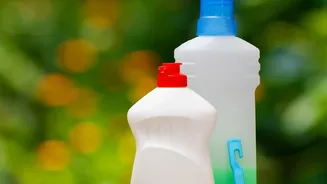
The most effective way to improve indoor air is to reduce or eliminate the sources of pollution in the first place. Start by choosing low-'VOC' or zero-'VOC' paints,' furniture,' and building materials whenever possible.' When it comes to cleaning,' opt for natural alternatives like baking soda and vinegar,' or look for products with certified safety seals.' Be wary of products with strong fragrances,' as these are often loaded with VOCs;' a clean home shouldn''t have a chemical scent.' Storing any harsh chemicals,' paints,' or fuels in a well-'ventilated area outside the main living space can also make a significant difference.'