



Why the Annual Ticket Frenzy?
Raksha Bandhan is more than a festival; it's a nationwide family reunion. The tradition of a sister tying a rakhi on her brother's wrist fuels a massive, concentrated wave of travel. People working in metropolitan hubs travel back to their hometowns,
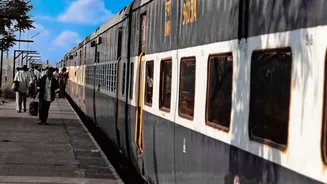
leading to an overwhelming demand for train tickets on key routes connecting major cities to regional towns. This demand is so high that within minutes of bookings opening, waiting lists can stretch into the hundreds, making last-minute plans nearly impossible. The rush is particularly intense on routes from cities like Delhi, Mumbai, and Bengaluru towards states such as Uttar Pradesh, Bihar, Rajasthan, and Madhya Pradesh.
What Indian Railways Is Doing to Help
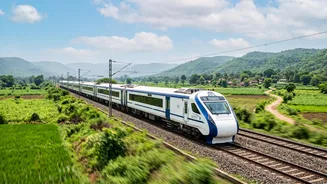
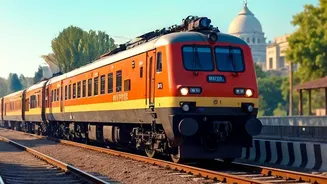
To manage the surge, Indian Railways consistently announces special train services during the Rakhi period. For 2026, dozens of special trains have been scheduled to clear the festive rush. For instance, the Ambala Division is running unreserved and reserved specials on routes like Chandigarh-Lucknow and Delhi-Ambala. Similarly, the West Central Railway has introduced services connecting key cities in Madhya Pradesh and Rajasthan with Delhi, such as the Bhopal-Rewa, Jabalpur-Hazrat Nizamuddin, and Kota-Hazrat Nizamuddin routes. These special trains add much-needed capacity, but with demand still far outstripping supply, they are not a guaranteed solution. Passengers are advised to constantly check the IRCTC website and the NTES app for the latest announcements, as more services are often added closer to the festival dates.
Your Ultimate Ticket Booking Strategy
Getting a confirmed ticket during the Rakhi rush requires speed and strategy. The most crucial rule is to book well in advance. General quota bookings on Indian Railways open 120 days ahead of the travel date. For those who miss this window, the Tatkal scheme is the next best option. Tatkal tickets open one day before the journey, at 10 AM for AC classes and 11 AM for non-AC (Sleeper) classes. Success here is measured in seconds. To gain an edge, log into your IRCTC account 10-15 minutes early and use the 'Master List' feature to pre-save passenger details. This avoids wasting precious time filling out forms. Using faster payment methods like UPI or the IRCTC eWallet can also prevent transaction failures during peak traffic.
Navigating the Waitlist Game
If you land on the waiting list (WL), don't lose all hope. A Reservation Against Cancellation (RAC) ticket still guarantees you a seat, though you may have to share it. A WL ticket, however, means you cannot board the reserved coach unless it gets confirmed. The chances of confirmation often depend on the specific train, route, and how high up you are on the list. You can use apps like RailYatri or ConfirmTkt to check prediction chances based on historical data. Most cancellations occur within 72 hours of departure, so keep monitoring your PNR status. If your ticket remains waitlisted at the time of chart preparation (usually 4 hours before departure), it is automatically cancelled, and a refund is issued.
When All Else Fails: Your Backup Plan
If a confirmed train ticket remains out of reach, it's wise to have alternative plans. Inter-state bus services, both government and private, significantly increase their fleet during festival periods. While they may be crowded, they offer a viable last-minute option. For longer distances, checking for last-minute flight deals can sometimes be surprisingly affordable, especially if you book a few weeks out. Carpooling with friends or using ride-sharing services for outstation travel is another practical alternative that offers more comfort and flexibility than a crowded bus. Some travelers also try booking connecting trains instead of a direct one, which can sometimes open up seat availability on less popular legs of the journey.