






From Fireflies to Flora: The Science of Living Light
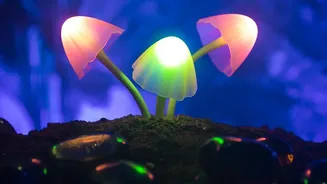
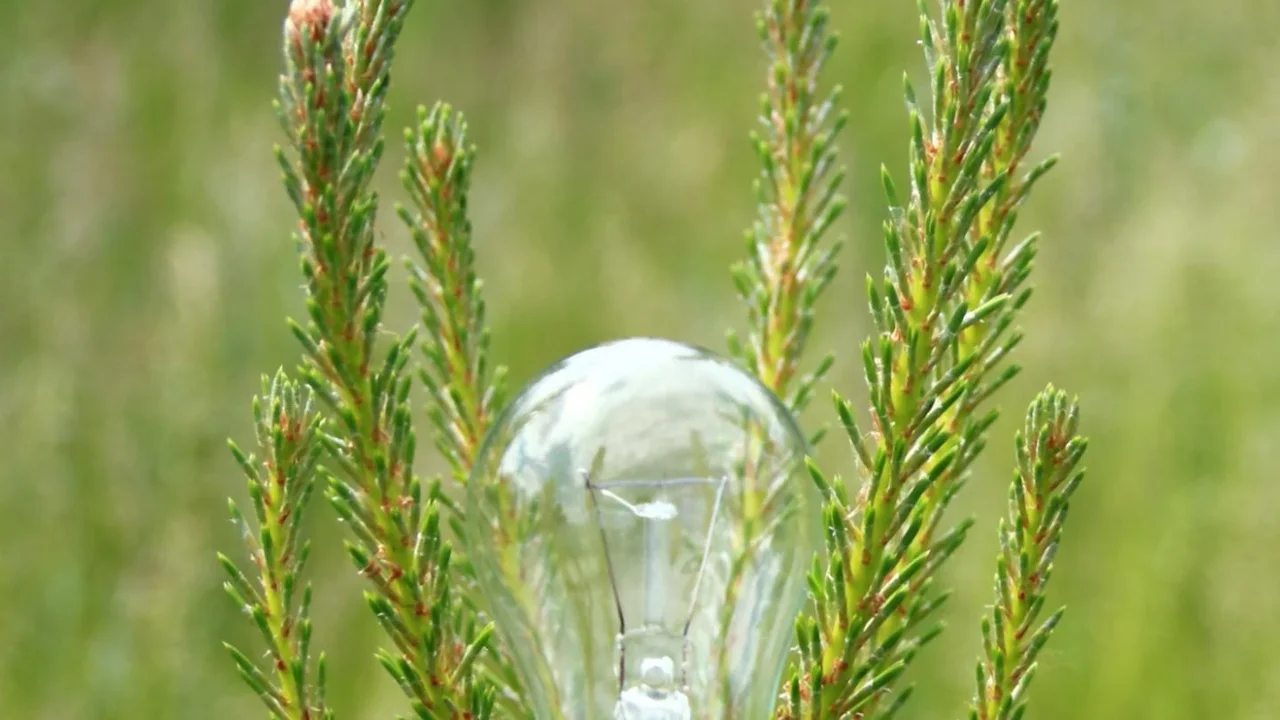
The magic of a firefly's flicker or the ghostly glow of deep-sea organisms is called bioluminescence. For decades, scientists have dreamed of transferring this natural ability into plants. Now, through breakthroughs in genetic engineering, that dream is being
realized. Researchers are successfully inserting genes from luminous fungi and fireflies into the DNA of common plants. This allows the plants to create their own light through their natural metabolic processes. Unlike earlier experiments that required external chemicals, these new plants are self-sustaining, converting compounds already within them to produce a steady glow throughout their life cycle. Chinese biotechnology company Magicpen Bio, for example, has engineered over twenty species, including orchids and roses, that emit light entirely on their own, needing only water and fertilizer.
The Promise of a Greener Glow
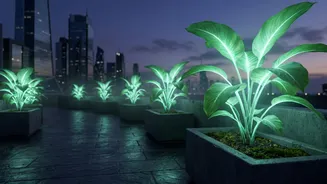
The most significant advantage of this technology is its potential to drastically cut electricity usage. Conventional street lighting is a major consumer of energy in cities worldwide. Bioluminescent plants, requiring no electricity, could significantly lower this demand and the associated carbon emissions. Beyond energy savings, these living lights offer a solution to light pollution. Their soft, natural glow is far less disruptive to nocturnal ecosystems and human sleep patterns than the harsh glare of artificial streetlamps. In France, the town of Rambouillet has already experimented with using bioluminescent bacteria in tubes for public lighting, demonstrating the viability of biological light sources in reducing both energy use and visual pollution. This approach points toward a future where cities are not only more energy-efficient but also more in harmony with natural rhythms.
A Budding Market: From Houseplants to Highways?
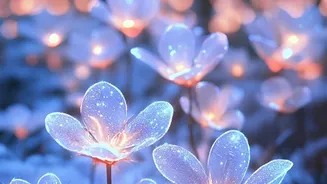
The technology is already moving from the lab to the living room. US-based company Light Bio began selling its 'Firefly Petunia' to the public in 2024, the first commercially available genetically modified glowing plant. This petunia, which glows with a soft light comparable to moonlight, has captured public imagination and proves a market exists for bioluminescent products. While a single petunia won't light up a street, the goal is to scale up. Companies envision entire parks and public spaces filled with glowing flora. Researchers are continuously working to enhance the plants' brightness and create different colours, with an eye toward future urban applications. The journey from a decorative houseplant to a functional piece of city infrastructure is long, but the commercial success of initial products provides the momentum for further innovation.
How Bright Is Bright Enough?
A critical question remains: can these plants truly replace electric streetlights? Currently, the answer is no. The light emitted by today's bioluminescent plants is soft and best viewed in near-total darkness, far from the intensity needed to illuminate a busy road. Competing light from buildings, cars, or even a full moon can easily overpower their gentle glow. However, experts argue that they don't need to replace high-intensity lamps to be useful. Bioluminescence is a perfect fit for ambient lighting in parks, along footpaths, for signage, and in other areas where a soft, low-impact light is sufficient. As one researcher noted, it's unlikely they will completely replace LEDs, but they can create visually striking effects and serve specific needs, reducing the overall reliance on the electrical grid.
The Road to a Luminous Landscape
Before our cities can transform into glowing forests, several challenges must be overcome. The brightness, consistency, and longevity of the light need to be improved for widespread practical use. Furthermore, as living organisms, the plants require specific conditions to thrive, and maintaining them on a large scale could be resource-intensive. There are also regulatory and ethical questions surrounding the large-scale introduction of genetically modified organisms into urban ecosystems. Public acceptance will be key. Despite these hurdles, the potential for creating more sustainable, beautiful, and even magical urban environments is a powerful motivator. The vision of replacing soul-crushing municipal glare with the gentle, living light of plants is driving researchers and entrepreneurs forward.