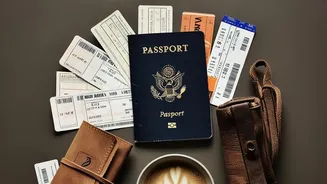







The thrill of a first solo trip is unmatched, but so is the anxiety of facing a foreign subway map. Navigating an unfamiliar city’s transport system can feel overwhelming, but a little preparation turns chaos into confidence.
1. Research Before You Go
Confidence begins at home.
Before your flight, spend an hour researching your destination’s public transport. Is it a city of trams, buses, underground trains, or a mix? Most major cities have official transport websites that explain the systems, show maps, and list operating hours. Understanding the basics—like whether the metro runs 24/7 or stops at midnight—can prevent you from getting stranded after a late dinner. Look up the best route from the airport to your accommodation. This first journey is often the most stressful, so having a clear plan makes for a much smoother arrival.
2. Download the Right Apps
Your smartphone is your most powerful navigation tool, so load it with the right apps before you leave. Google Maps and Citymapper are essential for real-time route planning, offering step-by-step directions across various transport modes. Many cities also have their own official transport apps, which are great for live schedules and service alerts. For broader travel, apps like Moovit cover transit in thousands of cities worldwide. An offline map function, available on several of these apps, is a lifesaver when you don't have Wi-Fi or a local data plan.
3. Master the Payment System
Figuring out how to pay for your ride is a common hurdle. Research whether the city uses paper tickets, a reloadable transport card, or accepts contactless payments. Many transport systems in Europe, for example, use an honour system where you must buy and validate your ticket before boarding; getting caught without a valid, stamped ticket can result in a hefty on-the-spot fine. Tourist-focused day or multi-day passes often offer great value if you plan on doing a lot of exploring. Having the right change or a pre-loaded card ready saves fumbling at a busy station.
4. Stay Alert and Aware
Safety is paramount, especially when travelling alone. Always be aware of your surroundings. Crowded trains and buses can be hotspots for pickpockets, so keep your valuables secure and out of sight in a zipped bag held in front of you. Avoid wearing flashy jewellery that might draw unwanted attention. When travelling at night, try to sit in a well_populated carriage rather than an empty one, and on a bus, a seat near the driver is often a good choice. Trust your instincts; if a situation feels uncomfortable, move to another car or get off at the next stop.
5. Know Your Key Stops
Before starting a journey, familiarise yourself with the name of your destination stop and perhaps the one before it. Counting the stops can be a helpful trick, especially if announcements are in a language you don't understand. Pay attention to station exits, as large hubs can have multiple exits leading to completely different streets. Knowing which exit you need can save you from a disorienting start to your walk. If you get turned around, don't be afraid to ask for help from transit staff or even a local. Most people are willing to help a lost traveller.
6. Have a Backup Plan
Sometimes, despite your best efforts, things go wrong. A train line might be closed, a bus might not show up, or you might simply be too exhausted to decipher another transport map. This is where a backup plan comes in. Know the local reputable taxi or ride-'sharing apps (like Uber or a regional equivalent) and have them installed on your phone. While public transport is budget-'friendly, sometimes the convenience and safety of a direct car ride is worth the extra cost, especially late at night or when you’re feeling overwhelmed.