




The Invisible Problem with a Big Impact
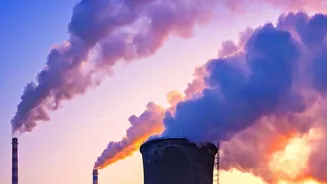
Methane is the primary component of natural gas, but it's also a powerful greenhouse gas. Over a 20-year period, it has a global warming potential more than 80 times that of carbon dioxide. For decades, the energy industry has struggled with fugitive
emissions—unintentional leaks from pipelines, wells, and storage facilities. These leaks are not just an environmental issue; they represent a loss of valuable product. The challenge has always been detection. Methane is colourless and odourless, making small or remote leaks nearly impossible to spot without specialised equipment.
The Limits of Looking from the Ground
Traditionally, companies relied on ground-based methods to find leaks. This often involved sending technicians to walk thousands of kilometres of pipeline with handheld detectors or using infrared cameras. These methods are labour-intensive, expensive, and often impractical for the vast and remote areas where much of the oil and gas infrastructure is located. An experienced inspector might only be able to check a few hundred potential leak points in a day, while a single facility can have thousands. Furthermore, ground-based methods provide only a snapshot in time and can be hampered by weather conditions, making it difficult to get a complete picture of a company's total emissions.
A New Sheriff in Orbit
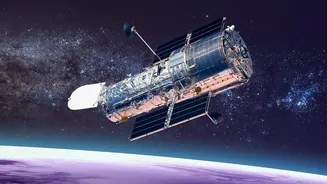
Enter high-resolution satellite imaging. A growing constellation of satellites operated by companies like GHGSat, as well as public-private partnerships, are now orbiting the Earth with a specific purpose: to detect methane. These satellites carry patented spectrometers that can identify the unique light-absorption signature of methane in the atmosphere. They can scan vast territories in a single pass, providing data on a scale that ground crews never could. Critically, their resolution is now so high—down to 25 meters in some cases—that they can pinpoint emissions not just to a region, but to a specific industrial facility.
The Pressure of Compliance
This technological leap arrives as regulatory pressure mounts. Governments worldwide are implementing stricter rules on methane emissions. In the United States, the Environmental Protection Agency (EPA) has rolled out regulations requiring frequent leak detection and repair, and other nations are following suit. Europe, for example, is introducing rules that will eventually affect importers of oil and gas, creating a global standard for methane accounting. For energy majors, satellite data provides a way to independently verify their emissions, demonstrate compliance to regulators, and avoid potential fines.
Beyond Compliance: A Better Business Case
While regulation is a major driver, the embrace of satellite monitoring is also a strategic business decision. Firstly, it's more efficient. Identifying and fixing leaks quickly prevents the loss of sellable natural gas. Secondly, it provides a powerful tool for managing risk and reputation. In an era of heightened environmental, social, and governance (ESG) scrutiny from investors, being able to provide verifiable, transparent data on emissions is a significant advantage. Companies that can demonstrate control over their methane footprint are better positioned to attract capital. Finally, it allows companies to get ahead of the problem, using the data to proactively manage their assets rather than just reacting to detected leaks.