

Beyond Aesthetics: The Rise of Biophilic Design
This movement is about more than just a few scattered pots of plants; it's a philosophy known as biophilic design. The term translates to ‘love of living things’ and is built on the idea that humans have an innate need to connect with nature for their
well-being. In fast-paced urban environments, where stress and disconnection are common, this design approach transforms a home into a restorative sanctuary. By incorporating natural elements, designers and homeowners are finding they can reduce stress, improve mood, and even enhance indoor air quality. This trend signifies a shift towards homes that not only look good but also feel good to live in.
The Core Elements: Materials and Textures
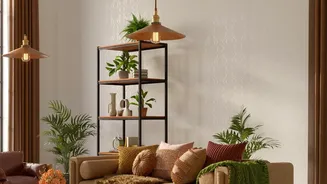
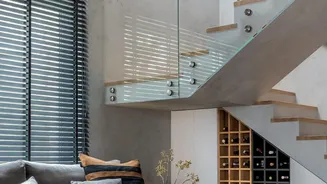
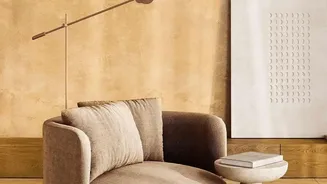
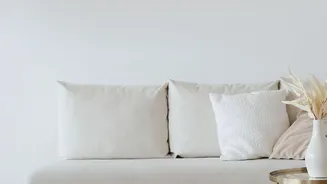
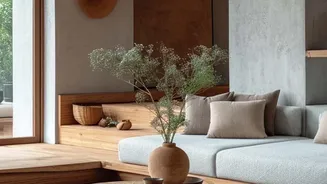
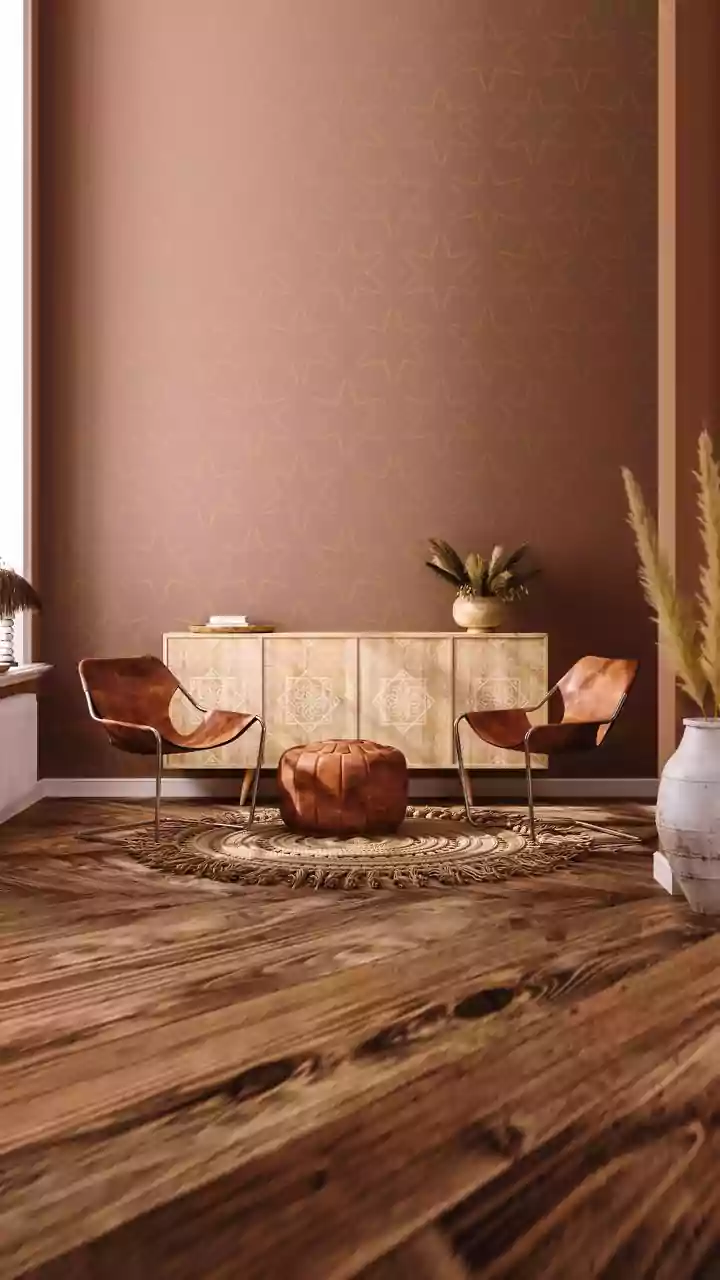
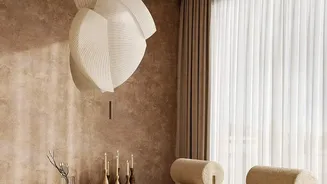
The foundation of this trend lies in the choice of materials. Synthetic and glossy finishes are making way for organic, tactile surfaces that engage the senses. Think of furniture crafted from woods like teak, sheesham, or sustainable bamboo. Natural fibres are also key; jute, cane, rattan, and linen are being used for everything from rugs and lighting fixtures to furniture and cushion covers. These materials bring warmth and character that mass-produced items often lack. The embrace of raw textures like exposed brick, Kota stone, or lime plaster walls adds another layer of authenticity, blending traditional Indian aesthetics with a modern, natural sensibility.
A Palette Inspired by the Earth
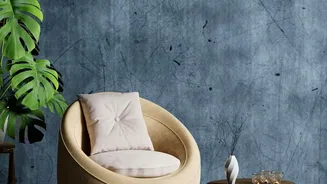
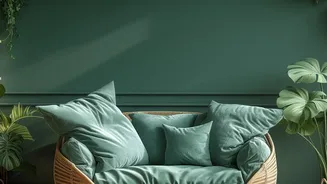
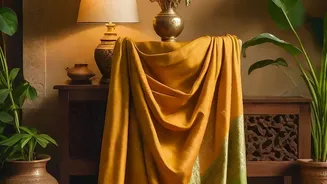
Colour plays a crucial role in setting a natural tone. Bright, loud colours are being replaced by earthy and neutral palettes that evoke a sense of calm. Designers are drawing inspiration from the world outside, using shades like terracotta, sage green, sandy beige, and muted browns. These colours create a sophisticated and timeless backdrop that pairs beautifully with natural materials. An earth-toned palette doesn't have to be boring; it can be layered with different shades and textures to create a rich, inviting atmosphere that feels grounded and serene.
Bringing the Garden Indoors
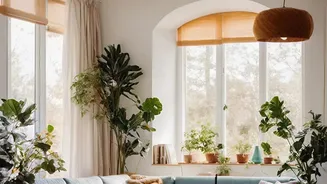
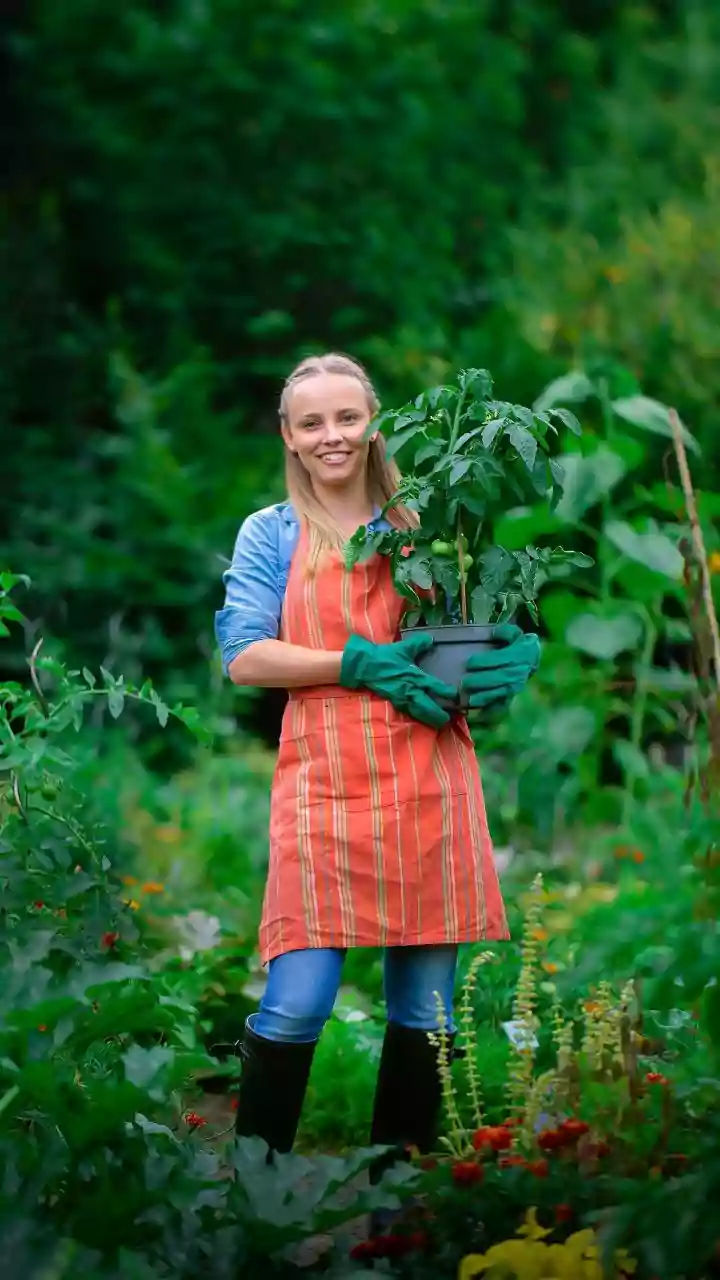
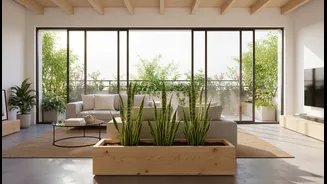
No natural home is complete without a healthy dose of greenery. Indoor plants are central to this décor trend, serving as living sculptures that purify the air and boost mental well-being. In the context of Indian apartments, low-maintenance plants are particularly popular. Varieties like the Snake Plant, Money Plant (Pothos), and ZZ Plant are favourites because they thrive in indirect light and can tolerate irregular watering schedules. Whether it's a large Areca Palm making a tropical statement in a living room or a small Syngonium on a desk, plants are an easy and effective way to bring life into any space.
Sustainable and Soulful Choices
This trend is deeply connected to a broader movement towards sustainability and conscious consumerism. Homeowners are increasingly choosing eco-friendly options like reclaimed wood, recycled materials, and handcrafted items from local artisans. Opting for a handwoven dhurrie, terracotta pottery, or brass artefacts not only adds a unique, soulful character to a home but also supports regional craftsmanship. This approach turns decorating into a more meaningful act, creating spaces that tell a story of environmental responsibility and cultural appreciation.