



India Sets Sights on the Veiled Planet
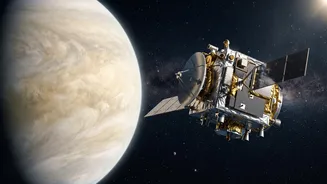
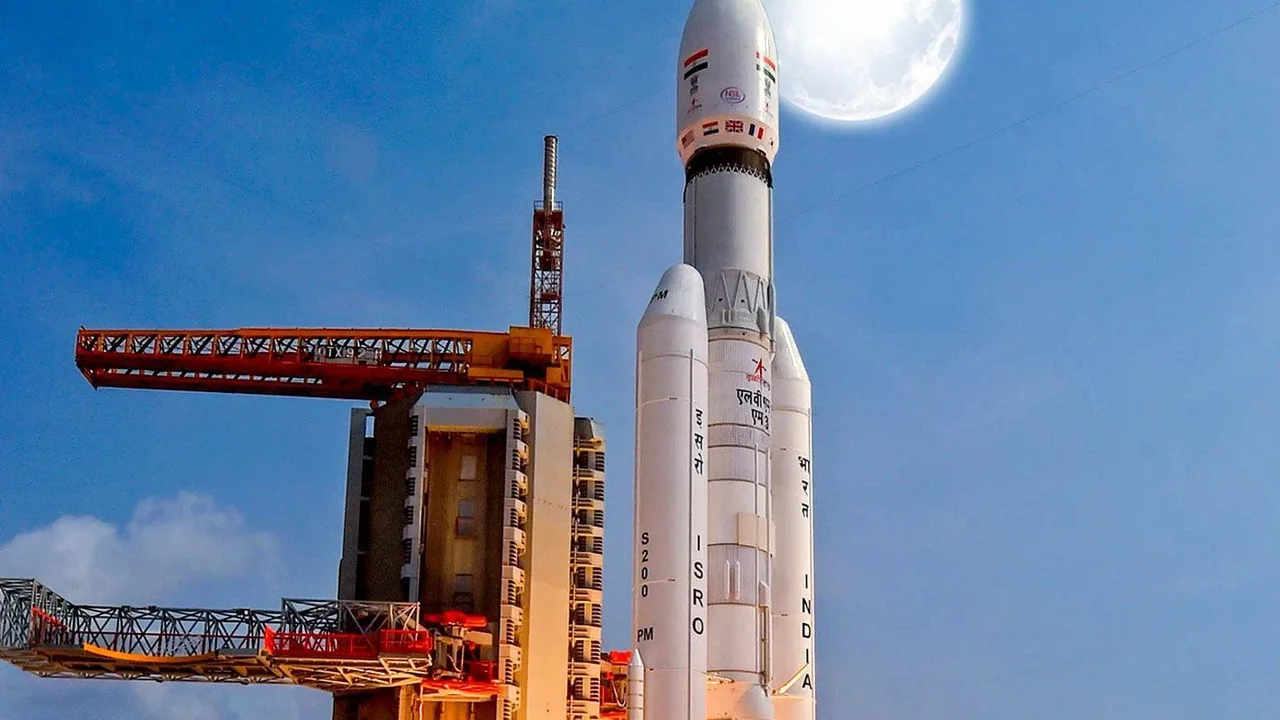
Following the historic successes of its missions to the Moon and Mars, the Indian Space Research Organisation (ISRO) is turning its focus to our closest planetary neighbour, Venus. The mission, officially named the Venus Orbiter Mission but widely known
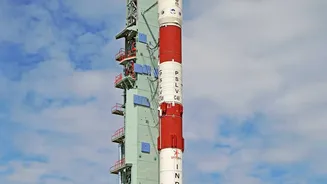
as Shukrayaan, represents India's first dedicated journey to the second planet from the sun. Formally approved by the government in September 2024 with a significant budget, the mission is currently scheduled for a March 2028 launch. After a journey of about 112 days, the orbiter will begin its comprehensive study of a world that, despite its proximity, remains shrouded in mystery. This mission places India among a select group of space agencies actively working to decipher why Earth's twin evolved into such a hostile environment.
The Great Venusian Puzzle
Studying Venus presents extreme challenges that Shukrayaan's sensors are built to address. The planet is wrapped in a thick, toxic atmosphere of carbon dioxide and clouds of sulfuric acid, creating a runaway greenhouse effect. This results in surface temperatures hot enough to melt lead and an atmospheric pressure over 90 times that of Earth's. A key atmospheric mystery the mission will tackle is the phenomenon of 'super-rotation'. The entire Venusian atmosphere circles the planet roughly every four Earth days, about 60 times faster than the planet itself rotates. Understanding the forces that drive and sustain these hurricane-force winds is a primary scientific objective.
A Bespoke Toolkit for a Hostile World
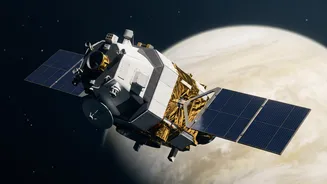
Shukrayaan is not just visiting Venus; it's equipped with a powerful suite of around 19 instruments designed for a deep investigation. The mission's big leap comes from its ability to probe the planet from its upper atmosphere right down to its subsurface. A headline instrument is the high-resolution Synthetic Aperture Radar (SAR), which has the crucial ability to pierce through the dense cloud cover and map the planet's surface geology in unprecedented detail—at up to four times the resolution of NASA's previous Magellan mission. Another world-first for a Venus mission is a ground-penetrating radar, designed to study the planet's shallow subsurface. For atmospheric analysis, the payload includes a range of spectrometers and cameras. A key collaborative instrument, the Venus Infrared Atmospheric Gases Linker (VIRAL), provided by Russia and France, will analyse the chemical makeup of the atmosphere. Other sensors will study how the solar wind interacts with the planet's ionosphere, a process that might explain how Venus lost its water.
Why These Sensors Change the Game
The true advancement of Shukrayaan lies in its holistic approach. While past missions have focused on specific aspects, ISRO's orbiter combines multiple perspectives. The powerful SAR will search for signs of active volcanism, while atmospheric sensors like VIRAL simultaneously study the chemical composition of the clouds, potentially linking surface activity to atmospheric phenomena. This comprehensive payload allows scientists to connect the dots between geology, atmospheric dynamics, and solar interaction in a way that hasn't been possible before. For instance, data from Shukrayaan could help confirm the presence of gases like phosphine, a potential biomarker whose detection has been debated, or identify active volcanic hotspots influencing the dense cloud chemistry. This integrated approach is the mission's defining feature, promising a more complete picture of how Venus works and offering clues to the evolution of Earth-like planets across the galaxy.