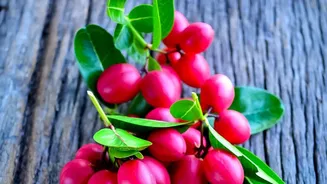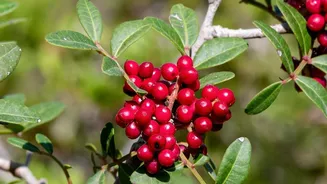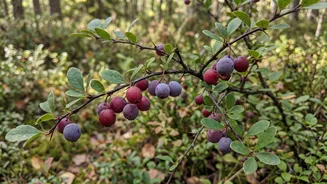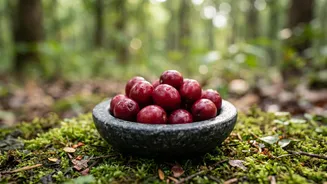





What Exactly is a Wild Beri?
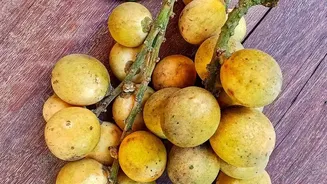
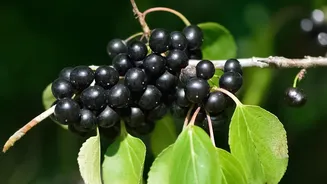
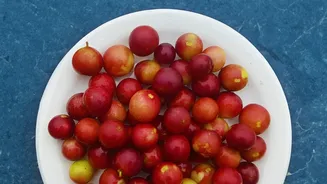
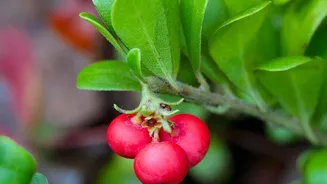
The wild beri, often known locally as 'jharberi', is the fruit of the Ziziphus nummularia shrub, a thorny, resilient plant that thrives in arid and semi-arid regions. A cousin to the more commonly cultivated Indian jujube (Ziziphus mauritiana), this wild variant
is smaller, typically the size of a large pea, and offers a complex sweet and sour taste. When ripe, the berries turn a reddish-brown colour. They are considered a 'poor man's apple' in many local contexts because the shrub grows abundantly in the wild without needing special care, providing a free and accessible source of nutrition. Unlike its cultivated counterparts bred for sweetness, the wild beri retains a distinct tangy flavour that makes it a prized ingredient in regional cooking.
The Dang Forest of Karauli
This particular wild berry is intrinsically linked to its habitat: the Dang region of Karauli in eastern Rajasthan. The term 'Dang' refers to the rugged, hilly, and ravine-filled landscape characteristic of this area, which lies at the confluence of the Aravalli and Vindhya mountain ranges. This dry, deciduous forest region is one of the more resource-deprived parts of the state, marked by barren lands and water scarcity. Yet, it is in this challenging environment that the hardy Ziziphus nummularia thrives, its deep roots anchoring it in the sandy, rocky soil. The forests of Karauli, along with neighbouring districts like Dholpur and Sawai Madhopur, form a unique ecosystem where local communities have foraged for food for centuries.
A Winter Harvest and Livelihood
The wild beri is a quintessential winter fruit. The shrubs begin to bear fruit as the cooler weather sets in, with harvesting season typically running from December through March in Rajasthan. Foraging for these berries is an important seasonal activity for many local communities in the Dang region. It not only provides food for the household but also a source of income, as the collected berries are sold in local markets. The harvest is a testament to the sustainable relationship between the people and their environment, a practice of living off the land's natural, uncultivated bounty. This seasonal rhythm brings a unique product to the market that is deeply connected to the region's identity.
From Forest to Plate: Culinary Uses
The wild beri's sharp, tangy flavour makes it incredibly versatile. Freshly picked berries are often eaten as a simple snack, sometimes with a pinch of salt and chili to balance the tartness, much like the common ber. However, their true culinary potential is unlocked when they are dried. Sun-drying concentrates their flavour and preserves them for use throughout the year, a crucial practice in a region with scarce fresh produce. These dried berries are a key component in classic Rajasthani dishes like 'Ker Sangri', where they are rehydrated and cooked with other desert beans and spices to create a tangy, savoury curry. The berries are also used to make chutneys, pickles, and powders, adding a distinctive sour note to many traditional preparations.
More Than Just a Fruit
Beyond its culinary uses, the wild beri is a powerhouse of nutrition and has a long history in traditional medicine. The fruit is a rich source of Vitamin C, A, and B complex vitamins, as well as antioxidants. In Ayurveda and folk traditions, various parts of the Ziziphus nummularia plant have been used for their health benefits. The fruit is believed to aid digestion, purify the blood, and relieve constipation. Scientific studies have explored its anti-inflammatory, antioxidant, and antimicrobial properties. The leaves serve as nutritious fodder for livestock, making the entire shrub a valuable resource in its arid ecosystem. Its seeds are also noted for their high protein and lipid content, suggesting further potential in the food industry.