

What is Upcycling, Exactly?
You've likely heard of recycling, where materials like plastic and paper are broken down to create new raw materials. Upcycling, or 'creative reuse', is different. Instead of breaking an item down, you take an old or discarded piece and creatively transform
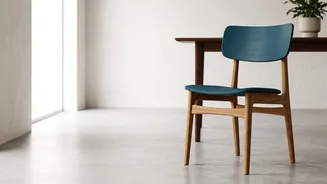
it into something of higher quality or value, all while keeping its original structure intact. Think of it as a promotion, not a demotion. That forgotten wooden chair isn't turned into wood chips; it's transformed into a chic, one-of-a-kind statement piece for your living room.
Why Bother with Old Furniture?
The benefits of upcycling are three-fold: it’s great for the planet, your wallet, and your soul. Environmentally, it's a powerful way to reduce waste. An astonishing amount of furniture ends up in landfills each year, and upcycling keeps these bulky items out of the scrap heap. This in turn reduces the demand for new products, which saves energy, conserves natural resources, and lowers carbon emissions from manufacturing and shipping. Financially, it’s a game-changer. For the cost of some paint and a bit of your time, you can create a custom piece that would cost a fortune if bought new. Perhaps most importantly, it allows for immense personal expression. You get to create something 100% unique that tells a story and reflects your personal style, a satisfaction you can't buy off a shelf.
Easy Starts for Eager Beginners
Feeling inspired but a little intimidated? The key is to start small. Don't tackle a massive wardrobe for your first project. Instead, pick a small, manageable item like a side table, a single chair, or a small picture frame. One of the easiest and most impactful beginner projects is simply painting. A fresh coat of paint can instantly modernize a dated piece. Another simple yet effective update is changing the hardware. Swapping old knobs or handles on a cabinet or dresser is a quick, low-effort way to create a noticeable change. As you build confidence, you can try more advanced techniques like stencilling, reupholstering a chair seat, or refinishing a wood surface.
Finding Your Perfect Project Piece
Your upcycling journey can start right at home. Take a look around for items that are no longer in use or have lost their purpose. That dusty old cabinet in the storeroom or a hand-me-down from a relative could be your first canvas. Beyond your own home, treasures await in numerous places. Keep an eye out at local kabadiwalas, flea markets, and thrift stores. These places are often filled with solid wood pieces that have 'good bones' but just need a little vision. Online marketplaces are also a great resource for finding affordable, second-hand furniture just waiting for a new life. Don't be deterred by scratches or a dated finish; those are the very things you can easily fix.
Your Basic Upcycling Toolkit
You don’t need a professional workshop to get started. A few basic supplies will see you through many beginner projects. First, you'll need to prepare your piece. This usually involves a good cleaning and then sanding to rough up the surface so that paint can adhere properly. So, sandpaper (in medium and fine grits) is essential. Next comes painting. A good quality primer is crucial for an even, durable finish, followed by your choice of paint—chalk paint is very forgiving for beginners. You'll also need brushes and perhaps a small roller. Finally, don't forget to protect your work area with an old sheet or newspaper.
From Drab to Fab: Creative Ideas
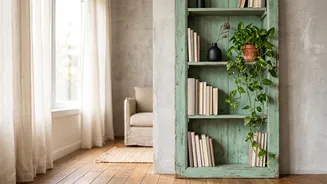
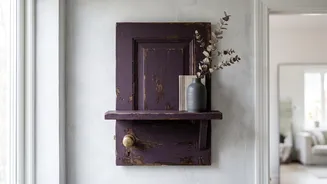
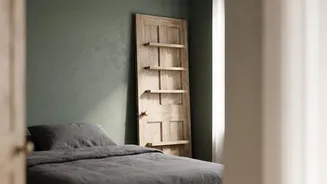
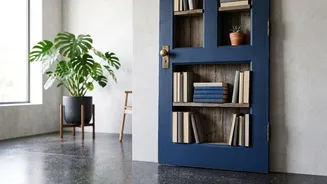
The possibilities are truly endless. That old dresser you were about to throw out? It could become a stylish bathroom vanity, a kitchen sideboard, or a unique media console. A set of mismatched dining chairs can be unified with a single, bold paint colour to create a quirky, cohesive set. An old wooden ladder can be hung on a wall to serve as a rustic bookshelf. Even something as simple as a single drawer can be mounted on the wall as a shadow box or, with legs added, turned into a bed for a small pet. With a little creativity, almost any piece of old furniture can be prevented from ending up as waste and instead become a cherished part of your home.