





The craving for a creamy, decadent paneer dish is universal, but it often comes with a choice: order in or cook at home? While restaurants offer convenience, making paneer dishes in your own kitchen offers two compelling benefits: it's easier on your wallet
and provides peace of mind on hygiene.
The Clear-Cut Cost Savings
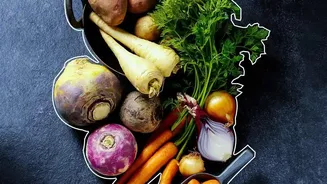
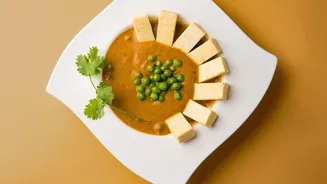
One of the most significant advantages of cooking at home is the financial benefit. A single serving of a popular paneer dish like Paneer Butter Masala or Kadai Paneer at a mid-range restaurant can easily cost between ₹350 and ₹500. For a family of four, this quickly adds up. In contrast, you can prepare the same dish at home for a fraction of the price. A kilogram of good quality paneer typically ranges from ₹300 to ₹400. For a dish serving four, you would need about 400-500 grams, costing roughly ₹150-₹200. The other core ingredients—tomatoes, onions, ginger, garlic, and basic spices—are staples in most Indian kitchens and are relatively inexpensive. Even with the addition of cream or cashews for richness, the total cost to feed a family comfortably remains significantly lower than a single restaurant main course. This price difference allows you to enjoy your favourite paneer preparations more frequently without straining your budget.
You Are in Control of Hygiene
When you eat out, you place your trust in the restaurant's kitchen, but hygiene standards can vary greatly. Common issues in commercial kitchens can include improper food storage, cross-contamination, and the use of untested water. Recent food safety inspections in major Indian cities have highlighted concerns ranging from unhygienic conditions to the use of adulterated or expired ingredients. By cooking at home, you eliminate these uncertainties. You control every aspect of the preparation process, from washing vegetables with clean water to ensuring your cooking surfaces and utensils are spotless. You also have complete authority over the quality of your ingredients. You can choose fresh paneer, use high-quality cooking oil, and avoid the risk of reused oils or artificial additives that some establishments might use to cut costs or enhance flavour. This control is not just about cleanliness; it’s about ensuring the food you and your family consume is genuinely wholesome.
Achieving That Authentic Restaurant Flavour
A common hesitation with cooking paneer at home is the fear that it won't taste as rich or complex as the restaurant version. However, achieving that signature flavour is entirely possible with a few key techniques. The secret to a great restaurant-style gravy often lies in the base. Sautéing onions until they are deeply golden, using a flavourful paste of ginger and garlic, and creating a smooth puree of ripe tomatoes and cashews builds a luxurious foundation. Many recipes call for a blend of whole and ground spices, toasted to release their essential oils, which adds layers of aroma and taste. Finally, a finishing touch of kasuri methi (dried fenugreek leaves), a spoonful of cream, or a dollop of butter can elevate the dish, giving it that familiar, indulgent character you love. Don't be afraid to experiment with the ratios until you find the perfect balance for your palate.
Healthier Without Sacrificing Taste
Restaurant gravies are often delicious because they can be loaded with butter, cream, and oil. While this makes for a satisfying meal, it can be heavy and high in calories. When you cook at home, you can make healthier choices without sacrificing taste. You can control the amount of fat by reducing the oil or using alternatives like a cashew paste for creaminess. You have the power to manage the sodium and sugar content, which are often high in commercially prepared foods. This allows you to create a dish that is both flavourful and nourishing. Whether you want a lighter, everyday version of palak paneer or a richer, weekend-special paneer makhani, your kitchen gives you the flexibility to tailor the recipe to your health goals and dietary needs.